ALBUM NOTESInside Tangram by Tangerine Dream
Tangram- Album Overview
Tangerine Dream's "Tangram," released in 1980, stands as a pivotal entry in the pioneering electronic music landscape. This album, released under the Virgin Records label, showcases the band's evolution from their earlier experimental works to a more structured and melodic sound. "Tangram" is characterized by its seamless blend of ambient and synth-driven compositions, reflective of the progressive electronic genre that Tangerine Dream helped to define.
Recorded primarily at the band's studio in Berlin, "Tangram" features a dual-suite format, divided into two major parts: "Tangram Set 1" and "Tangram Set 2." Each part unfolds a narrative journey through a tapestry of synthesized soundscapes, showcasing the band’s innovative use of sequencers and synthesizers, particularly the newly developed Fairlight CMI. This technology allowed for a more complex layering of sounds, giving the album a rich, textured quality.
Collaborators on the album included band members Edgar Froese, Christopher Franke, and Johannes Schmoelling, all of whom contributed to the album's intricate arrangements. "Tangram" did not produce any standout singles in the traditional sense but is often recognized for its cohesive listening experience rather than individual track prominence. The album's significance lies in its role in legitimizing electronic music as an art form, influencing countless artists and genres that followed.
The album is a testament to the band's ability to transcend the purely electronic genre, creating soundscapes that invite introspection and exploration. As a landmark of the 1980s electronic scene, "Tangram" remains a vital part of Tangerine Dream's discography and a touchstone for fans of ambient and electronic music alike.
Review
"Tangram" is an exquisite exploration of sound that highlights Tangerine Dream's mastery of the electronic genre. The album's structure, with its meditative pacing and intricate arrangements, beckons listeners into a world rich with auditory landscapes. The absence of lyrics does not diminish its emotional impact; instead, the music itself tells a story that resonates deeply with the listener.
The first set begins with a slow build-up, gradually layering textures that evoke imagery of vast landscapes and cosmic journeys. As the album progresses into Set 2, the intensity shifts, creating a sense of urgency and movement, while still maintaining that ethereal quality that Tangerine Dream is known for. The synthesizer work is particularly noteworthy, showcasing Froese and Franke's innovative arrangements that push the boundaries of what electronic music could achieve at the time.
While the album may present a more polished approach than their earlier works, it is a testament to the band’s artistic vision, bridging the avant-garde with accessible, yet profound, musical experiences. "Tangram" stands as a reminder of the potential of electronic music to convey deep emotion and create immersive atmospheres.
Highlights
- Innovative use of synthesizers and sequencers that define the album's sound.
- The seamless flow between two expansive suites, creating a cohesive listening experience.
- A significant contribution to the legitimacy of electronic music as an art form.
Weak points
- Lack of traditional song structures may alienate some listeners.
- Absence of standout tracks could make it less memorable for casual listeners.
- Some may find the pacing too slow, particularly in the first set.
Overall evaluation
"Tangram" is a landmark album that encapsulates the innovative spirit of Tangerine Dream during the cusp of the 1980s. Its intricate soundscapes and innovative use of technology mark it as a significant work in electronic music history.
Personal rating: 8/10


 2022Raum
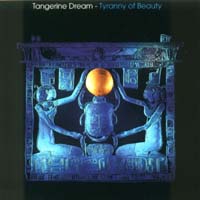 1995Tyranny of Beauty
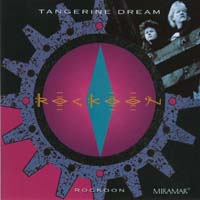 1992Rockoon
 1992Quinoa
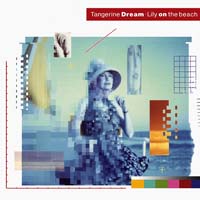 1989Lily on the Beach
 1987Tyger
 1986Underwater Sunlight
 1986Green Desert
 1985Le Parc
 1982White Eagle
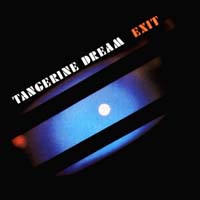 1981Exit
 1979Force Majeure
 1978Cyclone
 1976Stratosfear
 1975Rubycon
 1974Phaedra
 1973Atem
 1972Zeit
 1971Alpha Centauri
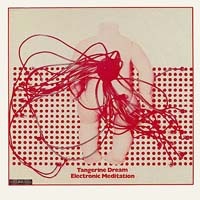 1970Electronic Meditation