

Cruise To Destiny: Topographic Dreamtime by Tangerine Dream: expectations vs reality
Cruise To Destiny: Topographic Dreamtime- Album Overview
Cruise To Destiny: Topographic Dreamtime is an album released by the iconic electronic music band Tangerine Dream in 1986. This record, released under the private label TDI, marks a period in the band's evolution where they began to embrace a more commercial sound while still retaining their signature ethereal and atmospheric qualities. The album consists of several instrumental tracks that showcase the band's pioneering use of synthesizers and sequencers, a hallmark of their work since the early 1970s.
The recording took place during a time when Tangerine Dream was experimenting with different musical styles, incorporating elements of new age and pop influences while still appealing to their loyal fan base. The band, originally formed in 1967 by Edgar Froese, continued to evolve with various members contributing to its rich history. For this album, Froese was joined by fellow musicians who enhanced the sound with lush keyboard arrangements and dynamic rhythms.
Tracks like “The Game,” “Machu Picchu,” and “Love on a Real Train” highlight the band’s ability to create immersive soundscapes, transporting listeners to otherworldly realms. Although the album did not produce any major singles that topped charts, it did resonate with fans of electronic music, reaffirming Tangerine Dream's role as a pioneer in the genre. The cultural significance of this album lies in its representation of the continued fusion of electronic music with mainstream sensibilities, paving the way for future artists in the genre.
Review
The sound of Cruise To Destiny: Topographic Dreamtime is a quintessential representation of Tangerine Dream's ability to blend melodic structure with experimental sound design. The album opens with a captivating blend of sequenced bass lines and lush synthesizer pads, creating a sense of anticipation. Each track unfolds like a sonic journey, with layered textures that evolve over time, drawing listeners into a trance-like state. However, the album’s reliance on predictable patterns can sometimes detract from its overall impact, leading to moments where the listener may feel adrift.
While the album lacks the lyrical depth found in some traditional song formats, the emotional resonance conveyed through its instrumental compositions is profound. The artistic vision remains clear: to transport audiences to a dreamlike state, evoking feelings of nostalgia and introspection. Despite some criticisms regarding its commercial leanings, Tangerine Dream manages to stay true to their roots, crafting a sound that, while accessible, does not sacrifice the complexity that fans have come to appreciate.
Highlights
- Immersive soundscapes that showcase the band's signature electronic style.
- Strong melodic lines that evoke a sense of emotion and nostalgia.
- A seamless blend of experimental and commercial elements, appealing to a broad audience.
Weak points
- Some tracks may feel repetitive, lacking dynamic changes.
- The album's commercial sound may alienate long-time fans seeking more avant-garde elements.
- Absence of vocals can limit the emotional connection for some listeners.
Overall evaluation
Cruise To Destiny: Topographic Dreamtime represents a pivotal moment in Tangerine Dream's discography, balancing between commercial appeal and artistic integrity. While it may not be their most groundbreaking work, it serves as a testament to their enduring influence in the electronic music landscape.
Personal rating: 7/10 1995Tyranny of Beauty
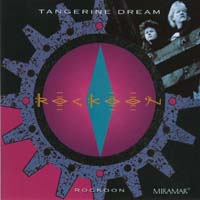 1992Rockoon
 1992Quinoa
 1989Lily on the Beach
 1987Tyger
 1986Underwater Sunlight
 1986Green Desert
 1985Le Parc
 1982White Eagle
 1981Exit
 1980Tangram
 1979Force Majeure
 1978Cyclone
 1976Stratosfear
 1975Rubycon
 1974Phaedra
 1973Atem
 1972Zeit
 1971Alpha Centauri
 1970Electronic Meditation