

From intro to finale: what Melrose delivers
Melrose- Album Overview
The album Melrose by the legendary electronic music group Tangerine Dream was released in 1986. This record, which came out under the Jive label, represents a significant chapter in the band's long and storied career. The lineup during this period featured founding member Edgar Froese, alongside Johannes Schmoelling and Bernhard Beibl, bringing together a blend of their distinctive electronic soundscapes.
Recorded primarily at the band's studio in Berlin, Melrose showcases Tangerine Dream's ability to evolve within the ever-changing landscape of electronic music. The album is characterized by lush synthesizer arrangements and intricate melodic structures, which were hallmarks of the band's work during the 1980s. Noteworthy tracks include the mesmerizing "Melrose," which serves as a thematic anchor for the album, and "Mojave Plan," which highlights their knack for creating atmospheric and cinematic soundscapes.
Melrose was significant not only for its musical content but also for its cultural impact. It reflects the transition of electronic music into more mainstream territories during the 1980s, coinciding with the rise of new wave and synth-pop genres. The album did not produce any major singles but has since gained a cult following among fans of electronic music for its innovative use of sequencers and synthesizers, showcasing Tangerine Dream's pivotal role in shaping the genre.
Review
The sound of Melrose is unmistakably Tangerine Dream, where ethereal melodies intertwine with pulsating rhythms to create a rich auditory tapestry. The album does not rely on traditional song structures; instead, it invites listeners into an immersive experience that feels both expansive and intimate. The production is polished, with each layer of sound carefully crafted to evoke emotions ranging from nostalgia to contemplation.
While the album lacks vocal tracks, its instrumental nature allows for a unique interpretation of the music, leaving room for personal reflection. Froese’s mastery of synthesizers shines through, as he navigates through varying tempos and moods, from the serene to the exhilarating. The artistic vision behind Melrose captures the essence of the era while pushing the boundaries of electronic music, making it a timeless piece that resonates with both new listeners and longtime fans alike.
Highlights
- Rich and immersive soundscapes that transport the listener.
- Strong thematic coherence throughout the album.
- Exceptional use of synthesizers and sequencing techniques.
Weak points
- Lack of vocal tracks may limit appeal to some listeners.
- Some tracks may feel repetitive to those unfamiliar with the genre.
- Not as commercially accessible compared to the band's earlier works.
Overall evaluation
Melrose stands as a testament to Tangerine Dream's innovative spirit and their ability to evolve with the times. While it may not achieve the same level of mainstream recognition as some of their earlier albums, its rich textures and atmospheric qualities offer a rewarding experience for those willing to delve into its depths.
Personal rating: 8/10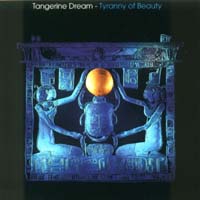 1995Tyranny of Beauty
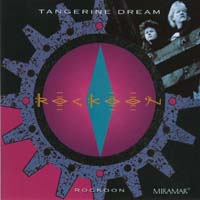 1992Rockoon
 1992Quinoa
 1989Lily on the Beach
 1987Tyger
 1986Underwater Sunlight
 1986Green Desert
 1985Le Parc
 1982White Eagle
 1981Exit
 1980Tangram
 1979Force Majeure
 1978Cyclone
 1976Stratosfear
 1975Rubycon
 1974Phaedra
 1973Atem
 1972Zeit
 1971Alpha Centauri
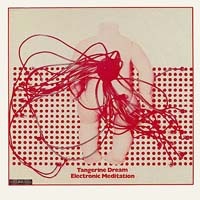 1970Electronic Meditation