ALBUM NOTESA closer look at Tangerine Dream's album Tangerine Dream Plays Tangerine Dream
Tangerine Dream Plays Tangerine Dream- Album Overview
Tangerine Dream's album, "Tangerine Dream Plays Tangerine Dream," released in 1990, is a unique entry in the band's extensive discography. This album showcases the group's signature electronic sound while paying homage to their earlier works. Released under the label TDI, the album features a collection of tracks that span their career, reimagining classic pieces with a fresh perspective.
The band, originally formed in 1967, has been a pioneer in the electronic music genre, known for their innovative use of synthesizers and sequencers. The recording process for "Tangerine Dream Plays Tangerine Dream" involved the core members of the band at the time, including Edgar Froese, who was the driving force behind the group's musical direction. The album comprises tracks that highlight the group's evolution, encapsulating the essence of their ambient and progressive soundscapes.
While the album does not include any traditional singles, it serves as an essential retrospective that offers both long-time fans and new listeners a comprehensive look at Tangerine Dream's musical legacy. The album's significance lies in its ability to bridge the band's past with their present, showcasing their adaptability in the ever-evolving landscape of electronic music. This release not only reignites interest in their earlier work but also cements Tangerine Dream's status as an influential force in the genre.
Review
"Tangerine Dream Plays Tangerine Dream" is a testament to the band's ability to blend nostalgia with innovation. The sound throughout the album is rich and layered, with ethereal melodies and complex arrangements that are characteristic of Tangerine Dream's work. The production quality is notably high, with each track meticulously crafted to create an immersive listening experience.
As the tracks unfold, listeners are taken on a journey through various sonic landscapes, from ambient soundscapes to more rhythmic compositions. The artistic vision behind this album appears to be one of reflection and reinvention, as the band successfully reinterprets their own classics while maintaining the essence that made them pioneers of electronic music.
While the album may lack lyrical content typical of many contemporary works, it compensates with its evocative sound design and emotional depth, inviting listeners to lose themselves in the music rather than focus on words.
Highlights
- Rich and immersive soundscapes that showcase the band's signature style.
- A thoughtful retrospective that revisits and reinvents classic tracks.
- High production quality, ensuring an enjoyable listening experience.
Weak points
- Lacks traditional lyrical content, which may not appeal to all listeners.
- Some may find the reimagined tracks less impactful than the originals.
- The album's pacing might feel uneven at times, leading to moments of disconnection.
Overall evaluation
"Tangerine Dream Plays Tangerine Dream" stands as a significant work in the band's oeuvre, providing a bridge between their past and present. While it may not cater to every listener's taste, it is a worthwhile exploration for fans and newcomers alike.
Personal rating: 7/10


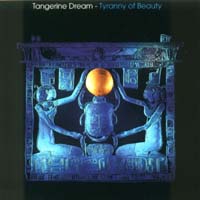 1995Tyranny of Beauty
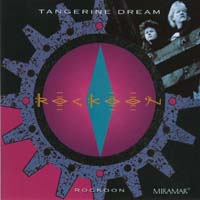 1992Rockoon
 1992Quinoa
 1989Lily on the Beach
 1987Tyger
 1986Underwater Sunlight
 1986Green Desert
 1985Le Parc
 1982White Eagle
 1981Exit
 1980Tangram
 1979Force Majeure
 1978Cyclone
 1976Stratosfear
 1975Rubycon
 1974Phaedra
 1973Atem
 1972Zeit
 1971Alpha Centauri
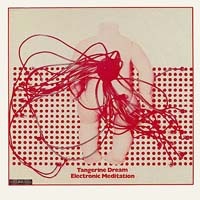 1970Electronic Meditation