Biography
Tangerine Dream: history and sound
Tangerine Dream is a German electronic music group founded in 1967 by Edgar Froese. The band has undergone many personnel changes over the years, with Froese being the only continuous member.
Tangerine Dream - A Journey Through Electronic Music Genre
When we talk about electronic music, one cannot forget the name Tangerine Dream. This iconic band has been in the industry for over 50 years and played a pivotal role in shaping the electronic music genre. The band was formed in Berlin, Germany in 1967 and has released over 100 albums since then. Tangerine Dream's music is all about exploring new sounds and creating a unique auditory experience. In this blog, we will discuss the band’s musical biography, best songs, music genre, famous concerts, and a critic.
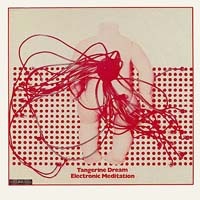
Tangerine Dream started as a psychedelic rock band in the late '60s but gradually shifted its focus toward experimental electronic music. The band’s founder and only permanent member, Edgar Froese, was always eager to push the limits and explore new sonic territories. The early albums like ‘Electronic Meditation’ and ‘Alpha Centauri’ showcased the band's unique approach to electronic music. Over the years, Tangerine Dream evolved its sound and experimented with various sub-genres like ambient, progressive, and new age.
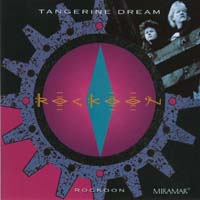
It's tough to pick the best songs from such an illustrious career, but some of the band’s most famous tracks are ‘Phaedra,’ ‘Force Majeure,’ ‘Rubycon,’ ‘Logos,’ and ‘Booster.’ These songs highlighted the band's ability to create intense soundscapes while keeping the listeners engaged. Tangerine Dream's music is not for everyone, but those who appreciate its craftsmanship will feel an intense emotional connection with the music.
The band's unique approach to sound design and live performance made them a popular act across the world. They performed at multiple prestigious venues like the Sydney Opera House, Royal Albert Hall, and Carnegie Hall. One of their most famous concerts was the soundtrack for the movie ‘Legend’ at the Dominion Theatre in London. The concert featured Tangerine Dream's music paired with visually stunning laser-light shows; it was a complete audio-visual extravaganza.
Tangerine Dream's music has been critically acclaimed worldwide. The band won multiple awards, including the Australian Academy of Cinema and Television Arts Award and the Grammy Award for Best New Age Album. The band's music has influenced many artists over the years, including Brian Eno, Moby, and Daft Punk. Tangerine Dream's influence on electronic music cannot be overstated.
In conclusion, Tangerine Dream's music is an integral part of the electronic music genre. The band's unique approach to sound design and live performance created a new sensory experience for the audience. The band's music is not everyone's cup of tea, but those who appreciate it know how special it is. Tangerine Dream's experiments with different sub-genres helped shape the electronic music genre, and their influence is still alive today. If you haven't listened to their music yet, we highly recommend giving it a chance.
Tangerine Dream - A Journey Through Electronic Music Genre
When we talk about electronic music, one cannot forget the name Tangerine Dream. This iconic band has been in the industry for over 50 years and played a pivotal role in shaping the electronic music genre. The band was formed in Berlin, Germany in 1967 and has released over 100 albums since then. Tangerine Dream's music is all about exploring new sounds and creating a unique auditory experience. In this blog, we will discuss the band’s musical biography, best songs, music genre, famous concerts, and a critic.
Tangerine Dream started as a psychedelic rock band in the late '60s but gradually shifted its focus toward experimental electronic music. The band’s founder and only permanent member, Edgar Froese, was always eager to push the limits and explore new sonic territories. The early albums like ‘Electronic Meditation’ and ‘Alpha Centauri’ showcased the band's unique approach to electronic music. Over the years, Tangerine Dream evolved its sound and experimented with various sub-genres like ambient, progressive, and new age.
It's tough to pick the best songs from such an illustrious career, but some of the band’s most famous tracks are ‘Phaedra,’ ‘Force Majeure,’ ‘Rubycon,’ ‘Logos,’ and ‘Booster.’ These songs highlighted the band's ability to create intense soundscapes while keeping the listeners engaged. Tangerine Dream's music is not for everyone, but those who appreciate its craftsmanship will feel an intense emotional connection with the music.
The band's unique approach to sound design and live performance made them a popular act across the world. They performed at multiple prestigious venues like the Sydney Opera House, Royal Albert Hall, and Carnegie Hall. One of their most famous concerts was the soundtrack for the movie ‘Legend’ at the Dominion Theatre in London. The concert featured Tangerine Dream's music paired with visually stunning laser-light shows; it was a complete audio-visual extravaganza.
Tangerine Dream's music has been critically acclaimed worldwide. The band won multiple awards, including the Australian Academy of Cinema and Television Arts Award and the Grammy Award for Best New Age Album. The band's music has influenced many artists over the years, including Brian Eno, Moby, and Daft Punk. Tangerine Dream's influence on electronic music cannot be overstated.
In conclusion, Tangerine Dream's music is an integral part of the electronic music genre. The band's unique approach to sound design and live performance created a new sensory experience for the audience. The band's music is not everyone's cup of tea, but those who appreciate it know how special it is. Tangerine Dream's experiments with different sub-genres helped shape the electronic music genre, and their influence is still alive today. If you haven't listened to their music yet, we highly recommend giving it a chance.