

A closer look at Tangerine Dream's album Rubycon
Rubycon- Album Overview
Released in 1975, "Rubycon" is the eighth studio album by the German electronic music pioneers Tangerine Dream. The album was released under the Virgin Records label and is considered a landmark in the genre of electronic music. Following the success of their previous album, "Phaedra," "Rubycon" further showcased the band's innovative approach to sound and composition. The album consists of two long tracks, "Rubycon Part One" and "Rubycon Part Two," each lasting over 17 minutes. This structure exemplifies the band's tendency to create immersive soundscapes that transport listeners into otherworldly realms. The recording sessions took place in the band's Berlin studio, where they employed a variety of synthesizers, including the ARP 2600 and the EMS Synthi AKS, to create their signature sound. The album is notable for its use of sequencers and tape manipulation, which were cutting-edge techniques at the time. Collaborators like Peter Baumann and Edgar Froese were instrumental in crafting the album's ethereal textures and complex rhythms. "Rubycon" was pivotal in establishing Tangerine Dream’s reputation in the burgeoning electronic music scene and contributed to the development of ambient music. Though not released as a single, "Rubycon" caught the attention of critics and fans alike, solidifying Tangerine Dream's place in music history. The album has influenced countless artists across various genres, demonstrating its lasting cultural significance. Its meditative quality and sonic exploration resonate with listeners even today, making it a timeless piece of art that continues to inspire.
Review
"Rubycon" stands as a testament to Tangerine Dream's visionary artistry, blending electronic textures with a sense of narrative and emotional depth. The album's sound is characterized by its extensive use of synthesizers, creating a lush, atmospheric experience that feels both futuristic and timeless. The unfolding layers of sound in each track evoke a sense of journey, making it a perfect companion for introspective listening or background ambiance. There are no lyrics to dissect, which allows listeners to focus entirely on the music's evocative power. The structure of the tracks, consisting of evolving motifs and gradual transformations, reflects a deep understanding of musical dynamics. The album invites listeners to lose themselves in its hypnotic rhythms and shimmering melodies, showcasing Tangerine Dream’s ability to capture the essence of the human experience through sound. Overall, "Rubycon" not only exemplifies the technical prowess of Tangerine Dream but also encapsulates the spirit of an era defined by exploration and innovation in music.
Highlights
- Immersive soundscapes that transport the listener.
- Innovative use of synthesizers and sequencers.
- A pivotal album that influenced the ambient and electronic music genres.
Weak points
- The lengthy tracks may not appeal to all listeners.
- Lack of traditional song structure might be off-putting for some.
- Limited accessibility due to its avant-garde nature.
Overall evaluation
"Rubycon" is a groundbreaking work that remains essential listening for fans of electronic music. Its blend of innovation and artistry ensures it holds a significant place in music history. Personal rating: 9/10
 2022Raum
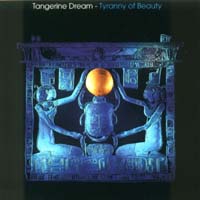 1995Tyranny of Beauty
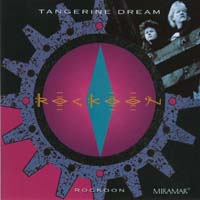 1992Rockoon
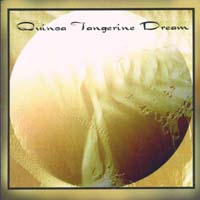 1992Quinoa
 1989Lily on the Beach
 1987Tyger
 1986Underwater Sunlight
 1986Green Desert
 1985Le Parc
 1982White Eagle
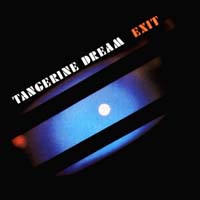 1981Exit
 1980Tangram
 1979Force Majeure
 1978Cyclone
 1976Stratosfear
 1974Phaedra
 1973Atem
 1972Zeit
 1971Alpha Centauri
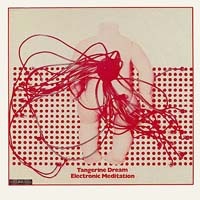 1970Electronic Meditation