

One week with Optical Race: thoughts on Tangerine Dream
Optical Race- Album Overview
Released in 1988, "Optical Race" is the 12th studio album by the legendary German electronic music group Tangerine Dream. This album marked a significant phase in the band's evolution, showcasing their transition into a more digital sound amidst the growing influence of synthesizers and computer technology in music production. "Optical Race" was released under the Private Music label, a company known for its dedication to new age and ambient music. The album was produced by the band members themselves: Edgar Froese, Christopher Franke, and Paul Haslinger, who had increasingly begun to explore the possibilities of MIDI technology and digital recording techniques.
The album features a total of 8 tracks, including "Dynamo," "Optical Race," and "Kaleidoscope," each characterized by lush soundscapes and intricate layers of synthesizers. The composition of the tracks reflects a blend of ambient music and progressive electronic, with an emphasis on melody and texture. "Optical Race" was one of the first Tangerine Dream albums to showcase their adaptation to modern technology, which included the use of the Fairlight CMI and other cutting-edge equipment of the time. The album did not produce any major singles, but tracks like "Optical Race" and "Dynamo" became fan favorites, often featured in live performances. The album's sonic landscape captures a unique moment in the late '80s, both in terms of Tangerine Dream's artistic direction and the broader context of electronic music's evolution during that era.
Review
"Optical Race" presents a captivating listening experience that encapsulates Tangerine Dream's mastery of electronic composition. The sound is rich and immersive, with a blend of melodic themes and dynamic rhythms that invite the listener to float through the soundscapes. Unlike their earlier works, which often leaned heavily into sequencer-driven structures, "Optical Race" incorporates more fluid, organic elements, creating an atmosphere that is both complex and inviting. The absence of lyrics may leave some listeners yearning for vocal storytelling; however, the instrumental nature of the album allows for a personal interpretation of the music. The artistic vision here is one of exploration and innovation, pushing the boundaries of what electronic music can express. While the album does evoke a sense of nostalgia for the era of synthesizers, it also feels ahead of its time, foreshadowing the digital revolution in music that would follow.
Highlights
- Intricate soundscapes that showcase the band's experimentation with digital technology.
- Strong melodic themes that enhance the immersive listening experience.
- The seamless blend of ambient and progressive electronic elements.
Weak points
- Lack of vocal tracks may alienate some listeners seeking lyrical content.
- The album's pacing can feel slow for those accustomed to faster tempos in electronic music.
- Some tracks may seem repetitive, lacking the dynamic shifts found in earlier works.
Overall evaluation
Overall, "Optical Race" stands as a testament to Tangerine Dream's enduring legacy in the realm of electronic music. While it may not reach the heights of their earlier masterpieces, it showcases their ability to adapt and innovate in a changing musical landscape. The album is a must-listen for fans of ambient and electronic music.
Personal rating: 7/10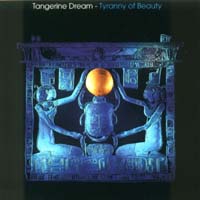 1995Tyranny of Beauty
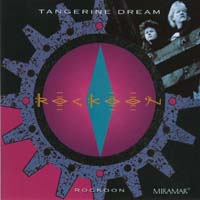 1992Rockoon
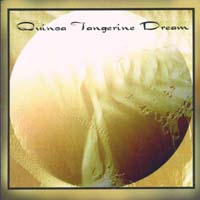 1992Quinoa
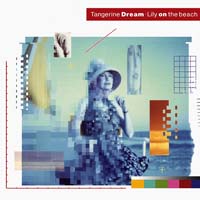 1989Lily on the Beach
 1987Tyger
 1986Underwater Sunlight
 1986Green Desert
 1985Le Parc
 1982White Eagle
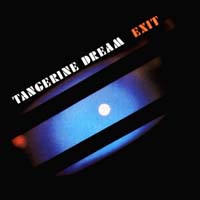 1981Exit
 1980Tangram
 1979Force Majeure
 1978Cyclone
 1976Stratosfear
 1975Rubycon
 1974Phaedra
 1973Atem
 1972Zeit
 1971Alpha Centauri
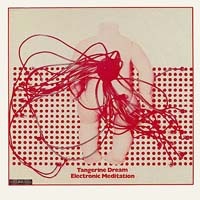 1970Electronic Meditation