ALBUM NOTESFirst impressions of Tangerine Dream – Kyoto
Kyoto- Album Overview
Tangerine Dream's "Kyoto," released in 1990, is a captivating entry into the world of electronic music, showcasing the band's signature blend of ambient soundscapes and intricate synthesizer work. This album was released under the private label TDI, marking a period in which the band was exploring new musical territories while also staying true to their roots in the Berlin School of electronic music. "Kyoto" is an instrumental album that reflects the band's fascination with Japan and its culture, and it was recorded using a variety of synthesizers, sequencers, and samplers, a hallmark of their innovative approach to music production.
The album features a total of eight tracks, including notable pieces such as "Kyoto," "The Last Samurai," and "Horizon," each of which transports the listener to a different auditory landscape. The tracks are characterized by a rich tapestry of sounds that evoke images of serene landscapes and mystic journeys, merging traditional Eastern influences with modern electronic elements. Collaborators on this project included members of the band during this era, most notably Edgar Froese, who was the founder and driving force behind the group's creative direction.
"Kyoto" received critical acclaim for its atmospheric quality and the way it captures the essence of its namesake city. The album did not produce any singles that charted mainstream, but it remains significant for its artistic exploration and has been influential in the realms of ambient and electronic music. The album stands as a testament to Tangerine Dream's enduring legacy and their ability to innovate within the genre, even decades into their career.
Review
"Kyoto" is a masterclass in sound design, where Tangerine Dream successfully marries technology with emotion. The album immerses the listener in a world of lush soundscapes and ethereal melodies, creating a meditative experience that is both calming and thought-provoking. Unlike many of their earlier works, which often relied on sequencer-driven rhythms, "Kyoto" leans heavily on atmospheric textures, allowing the listener to drift through each track with ease.
The absence of lyrics emphasizes the band’s artistic vision, as they convey emotions and narratives purely through sound. The music flows seamlessly from one piece to another, creating a cohesive journey that feels intentional and well-crafted. The use of traditional Japanese musical elements, such as pentatonic scales and bamboo flute sounds, adds a layer of authenticity and cultural depth to the album.
However, while the album successfully transports the listener, its minimalist approach may not resonate with all audiences. Some tracks might feel overly prolonged or repetitive, which could detract from the overall engagement for those seeking more dynamic compositions.
Highlights
- Rich atmospheric soundscapes that create a captivating listening experience.
- Seamless blending of Eastern musical influences with electronic elements.
- Innovative use of synthesizers and sound design that showcases the band's mastery.
Weak points
- Some tracks may feel overly lengthy and lack dynamic variation.
- The absence of lyrics might alienate listeners who prefer more traditional song structures.
- The album's niche appeal may limit its mainstream accessibility.
Overall evaluation
"Kyoto" is a reflective and immersive experience that showcases Tangerine Dream's ability to evolve while remaining true to their sonic roots. It is a must-listen for fans of ambient and electronic music, though its minimalist style may not appeal to all listeners.
Personal rating: 8/10


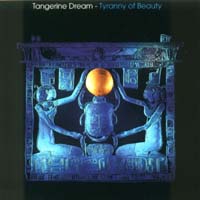 1995Tyranny of Beauty
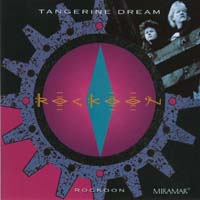 1992Rockoon
 1992Quinoa
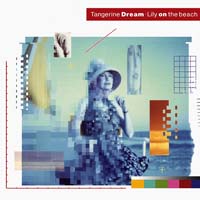 1989Lily on the Beach
 1987Tyger
 1986Underwater Sunlight
 1986Green Desert
 1985Le Parc
 1982White Eagle
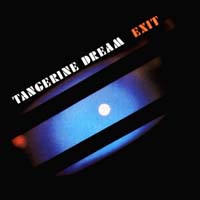 1981Exit
 1980Tangram
 1979Force Majeure
 1978Cyclone
 1976Stratosfear
 1975Rubycon
 1974Phaedra
 1973Atem
 1972Zeit
 1971Alpha Centauri
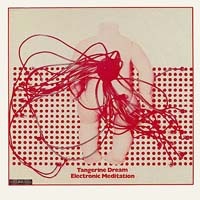 1970Electronic Meditation