

Inside the atmosphere of Tangerine Dream's The Seven Letters From Tibet
The Seven Letters From Tibet- Album Overview
Tangerine Dream's "The Seven Letters From Tibet," released in 1999, is a notable entry in the electronic music realm, showcasing the band's distinctive blend of ambient and progressive electronic soundscapes. Released under the label TDI, this album marks a significant point in the band's expansive discography, as it reflects their ongoing evolution in sound after decades of experimentation. The album was produced by band members Edgar Froese and Christopher Franke, both of whom have been pivotal in shaping the band's innovative sound since its inception in the late 1960s.
The recording took place in various locations, including the iconic Tangerine Dream studio, and features a rich tapestry of synthesizers, sequencers, and ethereal guitar work, creating an immersive sonic experience. Although not released as a single in the traditional sense, tracks from the album, such as "The Seven Letters," have been highlighted in live performances and compilations, further extending their reach within the electronic music community.
Culturally, "The Seven Letters From Tibet" is significant as it embodies the band's continued exploration of themes related to spirituality and transcendence, drawing inspiration from Tibetan culture and philosophy. The album resonates with listeners seeking a meditative and reflective experience, solidifying Tangerine Dream's position as pioneers in the ambient genre, even into the 21st century.
Review
The sound of "The Seven Letters From Tibet" is quintessentially Tangerine Dream, characterized by shimmering synth pads and intricate melodic lines that evoke a sense of journey and exploration. The album does not rely on traditional song structures or lyrics; instead, it offers a captivating auditory experience that transports the listener to otherworldly realms. The atmospheric quality of the tracks, combined with the use of electronic textures, creates an engaging soundscape that invites deep listening and contemplation.
While the absence of conventional vocals may deter some listeners, the album's strength lies in its ability to convey emotion and narrative through instrumentation alone. The artistic vision here reflects a matured take on their earlier works, with a more refined approach to sound design and composition. Each track unfolds like a chapter in a larger story, with subtle shifts in dynamics and timbre that keep the listener engaged throughout the journey.
Highlights
- Immersive soundscapes that evoke a sense of tranquility and exploration.
- Expertly crafted electronic textures and atmospheric qualities.
- Significant cultural themes that resonate with spirituality and transcendence.
Weak points
- Lack of conventional song structures may alienate mainstream listeners.
- Some tracks may feel repetitive to those unfamiliar with ambient music.
- Limited promotional singles may affect mainstream visibility.
Overall evaluation
"The Seven Letters From Tibet" is a profound exploration of sound that showcases Tangerine Dream's enduring legacy in the electronic music landscape. While it may not cater to every listener, those who appreciate ambient and progressive sounds will find much to admire in this album's intricate compositions and rich textures.
Personal rating: 8/10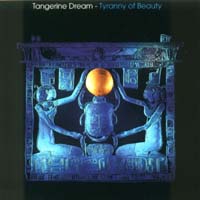 1995Tyranny of Beauty
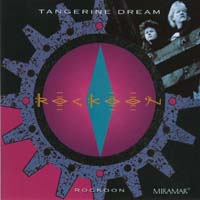 1992Rockoon
 1992Quinoa
 1989Lily on the Beach
 1987Tyger
 1986Underwater Sunlight
 1986Green Desert
 1985Le Parc
 1982White Eagle
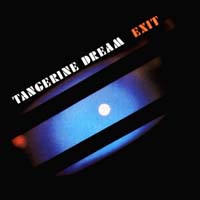 1981Exit
 1980Tangram
 1979Force Majeure
 1978Cyclone
 1976Stratosfear
 1975Rubycon
 1974Phaedra
 1973Atem
 1972Zeit
 1971Alpha Centauri
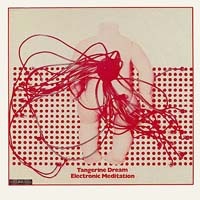 1970Electronic Meditation