

Why Tangerine Dream's Summer In Nagasaki matters
Summer In Nagasaki- Album Overview
Tangerine Dream's "Summer In Nagasaki," released in 2005, is a compelling addition to the band's extensive discography. As a prominent figure in the electronic music scene, Tangerine Dream has continuously evolved their sound since their formation in 1967. This album, released under the label TDI, showcases the band's ability to blend ambient soundscapes with rich melodic lines, a hallmark of their style.
The album was recorded in the wake of significant developments in electronic music technology, allowing the band to explore new sonic territories. "Summer In Nagasaki" features a collection of instrumental tracks that transport listeners to a world of serene yet intricate soundscapes. Notably, the album includes tracks such as "Nagasaki" and "The Last Goodbye," which both exemplify the band's signature use of synthesizers and sequencers, layered with atmospheric sounds that evoke deep emotions.
The recording sessions involved the band's core members, including Edgar Froese, who was instrumental in shaping the album's direction. The collaboration and contributions of various musicians throughout the years have allowed Tangerine Dream to maintain a fresh approach while paying homage to their roots. The album's narrative quality reflects the band's ongoing exploration of themes such as memory, nostalgia, and the passage of time, making it culturally significant in the context of contemporary electronic music.
While "Summer In Nagasaki" did not produce any major singles, it reinforces Tangerine Dream's reputation as pioneers of electronic music. The album resonates with both long-time fans and newcomers, offering a rich listening experience that captures the essence of the band's artistic vision.
Review
Upon listening to "Summer In Nagasaki," one cannot help but appreciate the sonic depth and intricacy that Tangerine Dream has crafted over their decades-long career. The album's sound is a masterclass in ambient music, where each track unfolds slowly, inviting the listener to immerse themselves in its ethereal textures. The melodies are haunting yet beautiful, often evoking a sense of wistfulness that lingers long after the music stops. The lack of lyrics allows the instrumentation to take center stage, letting the listener interpret the emotions conveyed through sound alone.
Artistically, the album represents a continuation of Tangerine Dream's legacy while simultaneously embracing modern influences and technology. The production quality is impeccable, featuring crisp synth lines and lush backdrops that create a rich auditory experience. The seamless transitions between tracks enhance the overall flow of the album, making it feel like a cohesive journey rather than a collection of standalone pieces. In this way, "Summer In Nagasaki" stands as a testament to the band's enduring relevance in an ever-evolving musical landscape.
Highlights
- Immersive soundscapes that transport the listener.
- Expert blending of traditional electronic music with modern production techniques.
- Strong emotional resonance despite the absence of lyrics.
Weak points
- Some tracks may feel repetitive to casual listeners.
- The album's experimental nature may not appeal to all audiences.
- Lack of mainstream promotional efforts or hit singles may limit its reach.
Overall evaluation
"Summer In Nagasaki" is a significant work that exemplifies Tangerine Dream's mastery of electronic music and their ability to evoke deep emotions through sound. It is an album that requires patience and active listening, rewarding those who immerse themselves in its rich textures.
Personal rating: 8/10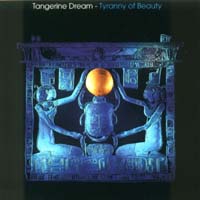 1995Tyranny of Beauty
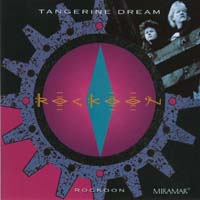 1992Rockoon
 1992Quinoa
 1989Lily on the Beach
 1987Tyger
 1986Underwater Sunlight
 1986Green Desert
 1985Le Parc
 1982White Eagle
 1981Exit
 1980Tangram
 1979Force Majeure
 1978Cyclone
 1976Stratosfear
 1975Rubycon
 1974Phaedra
 1973Atem
 1972Zeit
 1971Alpha Centauri
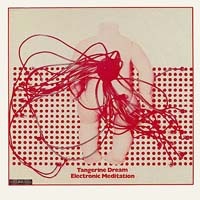 1970Electronic Meditation