

Phaedra by Tangerine Dream: expectations vs reality
Phaedra- Album Overview
Released in 1974, "Phaedra" is a seminal album by the German electronic music group Tangerine Dream, marking a significant shift in the landscape of progressive and electronic music. Recorded at the Dierks Studios in Germany and released under the Virgin Records label, "Phaedra" is often credited as one of the first albums to popularize the Berlin School style of electronic music. The album features a mesmerizing blend of synthesizers, sequencers, and traditional instruments, showcasing the innovative use of technology in music production during the 1970s.
The album comprises four tracks: "Phaedra," "Mysterious Semblance at the Strand of Nightmares," "Movement 1," and "Movement 2." Each track is an expansive journey, with "Phaedra" itself stretching over 17 minutes, characterized by its hypnotic rhythms and ethereal soundscapes. The album's title track, "Phaedra," became a single and remains one of the group's most recognized pieces, contributing significantly to their legacy.
Cultural significance cannot be overstated; "Phaedra" helped bridge the gap between avant-garde music and mainstream audiences, influencing a generation of artists across genres. The album's lush, atmospheric compositions invite listeners into a new auditory realm, laying the groundwork for future electronic and ambient music. Collaborators on the album include Edgar Froese, Chris Franke, and Peter Baumann, each contributing to the distinctive sound that would define Tangerine Dream's oeuvre. Their approach to music as a form of storytelling through instrumental soundscapes set the stage for the future of electronic music.
Review
"Phaedra" is a mesmerizing sonic experience that encapsulates Tangerine Dream's artistic vision of creating immersive soundscapes. The album's tracks unfold gradually, inviting listeners to lose themselves in layers of synthesized melodies and rhythmic patterns. The lack of lyrics allows the music to evoke deep emotions and provoke thought, creating a unique atmosphere that is both introspective and expansive.
Musically, "Phaedra" is a testament to the power of electronic instrumentation, with Froese's guitar lines weaving seamlessly through Franke's pulsating sequencer patterns. The production is meticulous, with each sound carefully crafted to create a cohesive listening experience. The album's experimental nature is balanced with moments of lyrical beauty, particularly in "Mysterious Semblance at the Strand of Nightmares," which captures a dreamlike quality that resonates with listeners long after the final notes fade.
Highlights
- The innovative use of synthesizers and sequencers, marking a pivotal moment in electronic music.
- The mesmerizing length and depth of the title track, "Phaedra," which showcases the band's ability to create an immersive experience.
- The emotional resonance and dreamlike qualities of tracks like "Mysterious Semblance at the Strand of Nightmares."
Weak points
- The lengthy compositions may not appeal to all listeners, especially those seeking more traditional song structures.
- Some may find the absence of lyrics limiting in terms of emotional connection.
- The album's experimental nature might alienate fans of more conventional rock or pop music.
Overall evaluation
"Phaedra" stands as a landmark in the evolution of electronic music, showcasing Tangerine Dream's innovative spirit and artistic depth. Its ethereal beauty and groundbreaking production techniques continue to influence artists today, securing its place in the pantheon of essential recordings.
Personal rating: 9/10 2022Raum
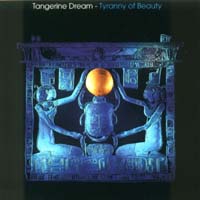 1995Tyranny of Beauty
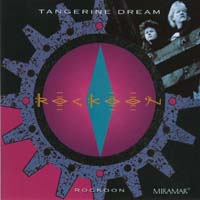 1992Rockoon
 1992Quinoa
 1989Lily on the Beach
 1987Tyger
 1986Underwater Sunlight
 1986Green Desert
 1985Le Parc
 1982White Eagle
 1981Exit
 1980Tangram
 1979Force Majeure
 1978Cyclone
 1976Stratosfear
 1975Rubycon
 1973Atem
 1972Zeit
 1971Alpha Centauri
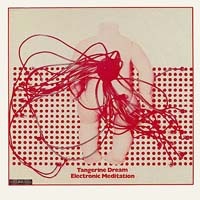 1970Electronic Meditation