ALBUM NOTESTyger: what Tangerine Dream wants you to feel
Tyger- Album Overview
Tangerine Dream's "Tyger," released in 1987, stands as a significant entry in the electronic music genre. The album was released under the label Jive Records and is notable for its blend of ambient and progressive electronic music, echoing the band's innovative spirit that began in the early 1970s. "Tyger" is distinct in that it draws inspiration from the works of poet William Blake, particularly his poem "The Tyger," which explores themes of creation and duality. This thematic connection is reflected in the album's sonic landscape, which oscillates between ethereal and powerful soundscapes.
The recording took place at the band's studio, with contributions from founding members Edgar Froese and Christopher Franke, along with the addition of guest musician Johannes Schmoelling, who had been with the band in previous projects. The album features a mix of synthesized melodies and sequenced rhythms, showcasing Tangerine Dream's hallmark electronic textures.
Singles released from "Tyger" include "Tyger" and "Madrigal," both of which exemplify the band's ability to craft intricate sound compositions that are both immersive and emotionally resonant. The album's cultural significance cannot be overstated; it represents a period where electronic music began gaining traction in mainstream media, paving the way for future artists within the genre. "Tyger" remains a testament to Tangerine Dream's artistic vision, encapsulating their exploration of sound and emotion as they continue to influence generations of musicians.
Review
"Tyger" is a masterclass in electronic sound design, merging the ethereal with the dynamic in a way that is both haunting and uplifting. The album opens with the title track, which plunges the listener into a world of shimmering synths and pulsing rhythms, immediately showcasing Tangerine Dream’s trademark ability to create vast sonic landscapes. The artistic vision of the band shines through the intricacy of the arrangements, where each note seems to resonate with purpose and intention.
Lyrically, the album is more about the evocation of feelings rather than traditional song structures. The influence of Blake's poetry is felt throughout, inviting listeners to ponder the themes of creation and existence. The album’s tracks flow seamlessly into one another, creating a cohesive listening experience that captures the essence of the human experience—its beauty, complexity, and sometimes its darkness.
Overall, "Tyger" exemplifies Tangerine Dream's ability to marry technology with emotion, creating a sound that is both innovative and deeply introspective.
Highlights
- The seamless blend of ambient textures with driving rhythms creates an engaging listening experience.
- Strong thematic connection to William Blake's poetry adds depth to the music.
- Innovative sound design that showcases the evolution of electronic music in the late 80s.
Weak points
- The album may feel less accessible to listeners unfamiliar with the ambient genre.
- Some tracks could be seen as repetitive, lacking distinct hooks or choruses.
- It may not resonate as strongly with fans of Tangerine Dream's earlier, more experimental works.
Overall evaluation
"Tyger" is a significant contribution to the electronic music landscape, merging poetry with sound in a way that is both profound and beautiful. While it may not appeal to all audiences, its artistic ambition and sonic depth make it a worthwhile listen for those willing to explore its intricate layers.
Personal rating: 8/10


 2022Raum
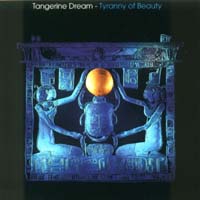 1995Tyranny of Beauty
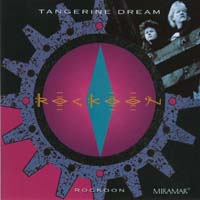 1992Rockoon
 1992Quinoa
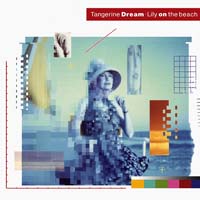 1989Lily on the Beach
 1986Underwater Sunlight
 1986Green Desert
 1985Le Parc
 1982White Eagle
 1981Exit
 1980Tangram
 1979Force Majeure
 1978Cyclone
 1976Stratosfear
 1975Rubycon
 1974Phaedra
 1973Atem
 1972Zeit
 1971Alpha Centauri
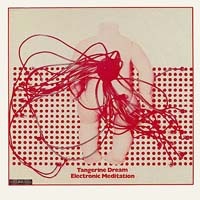 1970Electronic Meditation