

Is Atem Tangerine Dream's best work yet?
Atem- Album Overview
"Atem" is the fourth studio album by the influential German electronic music group Tangerine Dream, released in 1973. The album was produced under the label Ohr and marks a significant evolution in the band's sound, characterized by its innovative use of synthesizers and sequencers. Recorded at the Dierks Studios in Germany, "Atem" showcases the group's pioneering approach to electronic music, blending aspects of progressive rock with experimental soundscapes. The album features four tracks: "Atem," "Fauni-Gena," "Circulation," and "Wahn," each embodying a unique sonic identity that transports listeners through ethereal landscapes and ambient textures.
The core lineup during this period included Edgar Froese, who was the band's founder and primary creative force, alongside Christopher Franke and Peter Baumann. Their collaboration resulted in a sonic tapestry that is both intricate and immersive. "Atem" is notable for its lack of traditional song structures, focusing instead on long-form compositions that evolve gradually, a hallmark of Tangerine Dream's style. The album did not produce any singles but is considered a vital part of the band's discography, influencing a wide array of genres, from ambient to techno. Its release coincided with the burgeoning electronic music scene, contributing to Tangerine Dream's reputation as pioneers in the genre.
The title "Atem," which means "breath" in German, reflects the album's atmospheric qualities, creating a sense of space and fluidity. The record's artwork, designed by Klaus Dinger, further complements its ethereal sound, encapsulating the otherworldly experience that listeners encounter. Over the decades, "Atem" has been revisited in various forms, including remastered editions, solidifying its status as a cornerstone of electronic music history.
Review
"Atem" stands out as a masterclass in ambient composition, showcasing Tangerine Dream's ability to create vast soundscapes that feel both organic and otherworldly. The album's tracks are woven together with a sense of continuity, allowing listeners to drift seamlessly from one piece to the next. The use of synthesizers is both innovative and pioneering, effectively pushing the boundaries of what electronic music could achieve at the time. Unlike many contemporary albums, "Atem" lacks vocals, relying solely on the instrumentation to convey emotion and narrative.
The artistic vision behind "Atem" encapsulates the experimental ethos of the early '70s, a time when artists were beginning to explore the capabilities of electronic instruments. The interplay between the members is palpable, with each musician contributing layers of sound that build upon one another, resulting in an immersive auditory experience. The tracks often evoke a sense of introspection, inviting listeners to contemplate their surroundings while being enveloped in the lush textures of the music.
Highlights
- Innovative use of synthesizers and sequencers
- Intricate, immersive soundscapes that evoke deep emotion
- Seamless flow between tracks, creating a cohesive listening experience
Weak points
- Absence of traditional song structures may alienate casual listeners
- Some tracks may feel repetitive or drawn out to those unfamiliar with ambient music
- Lack of vocal elements can limit appeal to a broader audience
Overall evaluation
"Atem" is a significant milestone in Tangerine Dream's discography and electronic music as a whole. Its pioneering spirit and immersive soundscapes continue to resonate with fans and influence artists today. While it may not appeal to everyone, its artistic merit is undeniable.
Personal rating: 9/10 2022Raum
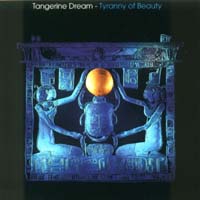 1995Tyranny of Beauty
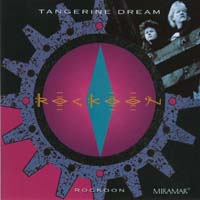 1992Rockoon
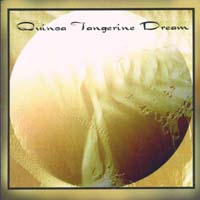 1992Quinoa
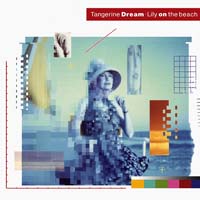 1989Lily on the Beach
 1987Tyger
 1986Underwater Sunlight
 1986Green Desert
 1985Le Parc
 1982White Eagle
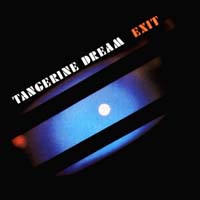 1981Exit
 1980Tangram
 1979Force Majeure
 1978Cyclone
 1976Stratosfear
 1975Rubycon
 1974Phaedra
 1972Zeit
 1971Alpha Centauri
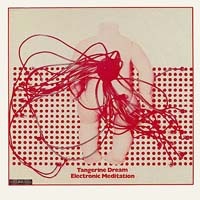 1970Electronic Meditation