

Exploring the sound of Tangerine Dream: One Night In Africa
One Night In Africa- Album Overview
"One Night In Africa," released in 1997, is a significant entry in the expansive discography of the German electronic music pioneers, Tangerine Dream. The album was released under the label TDI Music and showcases the duo’s ability to blend ambient soundscapes with rhythmic elements, a hallmark of their style. The album was recorded during a series of live performances in Africa, where the band sought to capture the essence of the continent's diverse musical influences. This project features the collaboration of longtime members Edgar Froese and Paul Haslinger, who worked together to create a sonic tapestry that pays homage to Africa's rich cultural heritage.
The album comprises several tracks that evoke images of African landscapes, rhythms, and traditions, while also retaining Tangerine Dream's ethereal and futuristic sound. Notably, "One Night In Africa" includes tracks like "The Future Is Now" and "The Dream Is Always," which blend synthesized sounds with traditional African instrumentation. The album did not spawn major singles but is appreciated among fans for its experimental approach and thematic depth. This release illustrates the band's ongoing evolution and their desire to explore new musical territories, reinforcing their position as innovators in the electronic genre.
Musically, "One Night In Africa" is significant for its fusion of electronic music with world music elements, reflecting a broader trend in the late 1990s where artists began to incorporate diverse cultural sounds into mainstream music. The album stands as a testament to Tangerine Dream's enduring legacy and their commitment to pushing the boundaries of electronic music.
Review
In "One Night In Africa," Tangerine Dream delivers a rich auditory experience that transports listeners to an enchanting world. The album is characterized by its lush synthesizer melodies and intricate layering of sound, which create an immersive atmosphere. The absence of traditional song structures allows the music to flow organically, resembling an extended journey rather than a series of distinct tracks. This approach is both a strength and a potential barrier for casual listeners, as it demands a certain level of engagement to fully appreciate the nuances of the compositions.
Thematically, the album succeeds in capturing the spirit of Africa through its use of indigenous rhythms and melodic motifs, which are seamlessly interwoven with the band’s signature electronic textures. This blend not only showcases the band's versatility but also highlights their ability to respect and honor the cultural roots from which they draw inspiration. While the album may not resonate with everyone due to its experimental nature, it is a commendable effort in exploring cross-cultural musical dialogues.
Highlights
- Rich blend of electronic and traditional African sounds.
- Immersive soundscapes that create a strong sense of place.
- Innovative approach to composition and structure.
Weak points
- May feel meandering for listeners expecting conventional song formats.
- Limited commercial appeal due to its experimental nature.
- Some tracks may lack distinct hooks, making them less memorable.
Overall evaluation
"One Night In Africa" stands as a bold exploration of sound that reflects Tangerine Dream’s commitment to innovation and cultural exploration. While it may not cater to every listener's taste, it offers a rich tapestry of auditory experiences that are both captivating and thought-provoking.
Personal rating: 7/10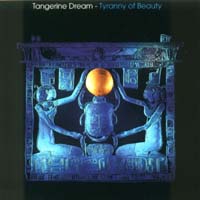 1995Tyranny of Beauty
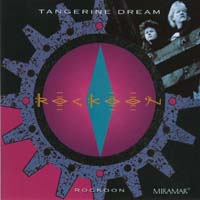 1992Rockoon
 1992Quinoa
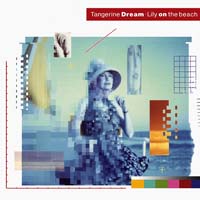 1989Lily on the Beach
 1987Tyger
 1986Underwater Sunlight
 1986Green Desert
 1985Le Parc
 1982White Eagle
 1981Exit
 1980Tangram
 1979Force Majeure
 1978Cyclone
 1976Stratosfear
 1975Rubycon
 1974Phaedra
 1973Atem
 1972Zeit
 1971Alpha Centauri
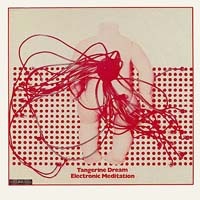 1970Electronic Meditation