ALBUM NOTESTangerine Dream returns with Machu Picchu
Machu Picchu- Album Overview
Tangerine Dream's "Machu Picchu," released in 2022, marks a significant return for the pioneering electronic music band, known for their innovative soundscapes and influential role in the genre’s development. The album is released under the label Kscope and features a blend of ambient and progressive electronic music, characteristic of the band's extensive discography that spans over five decades.
The recording of "Machu Picchu" took place in various locations, including the legendary studios that have hosted the band's previous works. The album is inspired by the ancient Incan citadel of Machu Picchu, reflecting a deep connection with nature and history, which is a recurrent theme in Tangerine Dream's music. This conceptual approach is evident in the album's intricate compositions and atmospheric textures.
The lineup for this album features founding member Edgar Froese's son, Jerome Froese, who has been pivotal in continuing the legacy of the band. The album does not feature any singles but rather presents a cohesive experience through its tracks. Each piece flows into the next, creating an immersive journey that invites listeners to explore the depths of the soundscapes created by the band.
"Machu Picchu" is not just an album; it is a cultural homage to the beauty and mystery of the historical site, showcasing Tangerine Dream's ability to evolve while maintaining their signature sound. The album resonates with both longtime fans and newcomers, underlining the band's relevance in the contemporary music scene.
Review
"Machu Picchu" manifests as a sonic exploration that captures the essence of its namesake. The album's sound is rich and layered, with ethereal synthesizers and rhythmic pulses that evoke the majesty of the Andean landscape. The use of various electronic instruments creates a lush atmosphere, transporting listeners into a world that feels both ancient and futuristic.
The tracks are meticulously crafted, with each bringing forth a unique texture and mood. The absence of traditional song structures allows for a more expansive form of expression, reflecting the band's artistic vision of transcending time and space. While some may find the lack of discernible lyrics a limitation, the instrumental prowess serves to enhance emotional depth, allowing personal interpretation.
Overall, "Machu Picchu" is a testament to Tangerine Dream's enduring legacy, showcasing their ability to adapt and innovate while remaining true to their roots. The album invites listeners on a journey that is both introspective and expansive, cementing the band's status as pioneers in the electronic music spectrum.
Highlights
- Rich, immersive soundscapes that transport the listener.
- Strong thematic coherence that reflects the essence of Machu Picchu.
- Innovative use of electronic instruments, showcasing the band's evolution.
Weak points
- Lack of traditional song structures may alienate some listeners.
- Absence of vocal tracks might leave some craving more lyrical content.
- Length of the tracks can make the album feel drawn out in places.
Overall evaluation
"Machu Picchu" solidifies Tangerine Dream's relevance in a modern context while celebrating their rich history. The album is a beautiful homage to the past, wrapped in electronic brilliance.
Personal rating: 8/10


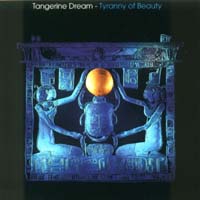 1995Tyranny of Beauty
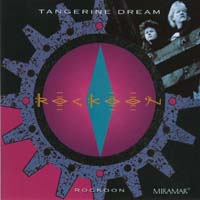 1992Rockoon
 1992Quinoa
 1989Lily on the Beach
 1987Tyger
 1986Underwater Sunlight
 1986Green Desert
 1985Le Parc
 1982White Eagle
 1981Exit
 1980Tangram
 1979Force Majeure
 1978Cyclone
 1976Stratosfear
 1975Rubycon
 1974Phaedra
 1973Atem
 1972Zeit
 1971Alpha Centauri
 1970Electronic Meditation