

James Joyce: Finnegans Wake: discovering Tangerine Dream's artistry
James Joyce: Finnegans Wake- Album Overview
The album James Joyce: Finnegans Wake, released in 1992, marks a fascinating intersection between literature and electronic music, showcasing Tangerine Dream's innovative artistry. This project, produced by the iconic electronic band, draws inspiration from James Joyce's challenging and abstract work, Finnegans Wake. The album was released under the label TDI (Tangerine Dream Import) and features a total duration of approximately 67 minutes across seven tracks. The band, known for their pioneering role in electronic music since the 1970s, engaged in extensive experimentation with soundscapes and synthesizers, which culminates in this album. The production involved the collaboration of prominent members Edgar Froese, who was the band's founder, and other musicians such as Paul Haslinger and Jerome Froese, who contributed to the ethereal sound that defines this work. Musically, the album incorporates elements of ambient, new age, and electronic music, reflecting the complex narrative style and dream-like qualities of Joyce's original text. While there were no formal singles released from the album, its availability and the band's live performances helped to solidify its presence in the electronic music scene of the early '90s. Culturally, the album serves as a tribute to Joyce's literary genius, attracting both fans of his work and enthusiasts of avant-garde music. By translating the dense, intricate layers of Joyce's narrative into sound, Tangerine Dream invites listeners into a multi-sensory experience that echoes the challenges and beauty found within Joyce's prose.
Review
In James Joyce: Finnegans Wake, Tangerine Dream successfully marries experimental soundscapes with the literary complexity of Joyce's work. The album evokes a sense of exploration, with each track acting as a sonic journey that mirrors the winding, often labyrinthine prose of the novel. The sound design is intricate, characterized by lush synthesizers and ambient textures that create an immersive auditory experience. The absence of traditional song structures echoes the fragmented nature of Joyce's writing, allowing listeners to drift through the soundscapes as one might navigate the dense layers of the text. The lack of lyrics is a notable feature, as it emphasizes the music's role as a narrative vehicle rather than a direct interpretation of the written word. While some might find the album’s abstract nature challenging, those willing to engage deeply will discover a rich tapestry of sound that resonates with the essence of Joyce's literary artistry. The album stands as a testament to Tangerine Dream's ability to push boundaries and redefine the relationship between music and literature.
Highlights
- Innovative blend of electronic music and literary inspiration.
- Intricate soundscapes that invite deep listening and contemplation.
- Successful encapsulation of Joyce's complex narrative style through music.
Weak points
- Abstract nature may alienate casual listeners.
- Lack of traditional structure can make tracks feel meandering.
- Limited mainstream appeal compared to more accessible electronic works.
Overall evaluation
James Joyce: Finnegans Wake is a fascinating exploration of sound and literature, showcasing Tangerine Dream's unique ability to interpret complex narratives through music. While it may not appeal to everyone, it stands as a significant work in the realm of electronic music and a tribute to literary genius.
Personal rating: 8/10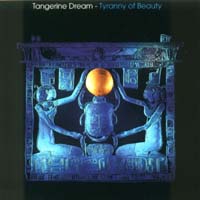 1995Tyranny of Beauty
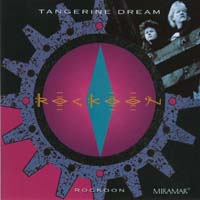 1992Rockoon
 1992Quinoa
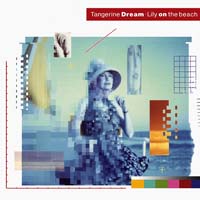 1989Lily on the Beach
 1987Tyger
 1986Underwater Sunlight
 1986Green Desert
 1985Le Parc
 1982White Eagle
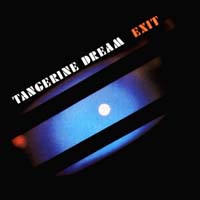 1981Exit
 1980Tangram
 1979Force Majeure
 1978Cyclone
 1976Stratosfear
 1975Rubycon
 1974Phaedra
 1973Atem
 1972Zeit
 1971Alpha Centauri
 1970Electronic Meditation