

Review of Tangerine Dream – Hyperborea
Hyperborea- Album Overview
Released in 1983, "Hyperborea" stands as one of Tangerine Dream's most notable works, showcasing the band’s signature blend of electronic music and progressive rock. This album was released under the Jive Records label, marking a period where Tangerine Dream was transitioning into more accessible sounds while still maintaining their experimental roots. The album was recorded at the band's own studios in West Berlin and was produced by the band members themselves, including the prolific Edgar Froese, who was the central figure of the group.
"Hyperborea" features eight tracks, with highlights including "Hyperborea," "Madrigal Meridian," and "Song of the Whale." The title track is particularly noteworthy for its use of rich synthesizer textures and atmospheric soundscapes, a hallmark of Tangerine Dream's style. The album also features the collaboration of renowned guest musicians, including Klaus Schulze, adding depth to the overall sound. The music draws inspiration from themes of nature and mythology, reflecting Edgar Froese's vision of a utopian world, which he often explored in his compositions.
In terms of cultural significance, "Hyperborea" played a vital role in the evolution of ambient and electronic music during the 1980s, influencing many artists across genres. The album's incorporation of cinematic soundscapes and melodic structures paved the way for future developments in electronic music, making it a significant work in Tangerine Dream's discography. Additionally, the album spawned singles that received airplay on various radio stations, further solidifying its presence in the music scene of the era.
Review
The sound of "Hyperborea" is a testament to Tangerine Dream's ability to create immersive auditory experiences. The album is characterized by its lush synthesizer layers and hypnotic rhythms, effectively transporting listeners to ethereal landscapes. The opening track, "Hyperborea," sets the tone with its sweeping melodies and intricate arrangements, showcasing the band's mastery of electronic instrumentation.
While instrumental in nature, the tracks evoke a sense of narrative and emotion, often reminiscent of film scores, a style Tangerine Dream became famous for. However, the album occasionally ventures into repetitive motifs, which might not resonate with all listeners. The artistic vision behind "Hyperborea" is clear: it invites the audience to contemplate and escape into a world of sound, blending technology with emotional depth.
Highlights
- Rich and immersive soundscapes that captivate the listener.
- Strong melodic structures that set a cinematic atmosphere.
- Innovative use of synthesizers and electronic instrumentation.
Weak points
- Some tracks may feel repetitive and lengthy for casual listeners.
- Lack of vocal elements may not appeal to everyone.
- Production may feel dated to modern audiences unfamiliar with the era.
Overall evaluation
“Hyperborea” is a significant entry in Tangerine Dream's catalog, balancing intricate compositions with accessible melodies. The album showcases the group's innovative spirit and ability to create a unique sonic landscape. While it has its shortcomings, particularly in pacing, the overall experience is engaging and thought-provoking.
Personal rating: 8/10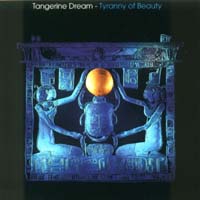 1995Tyranny of Beauty
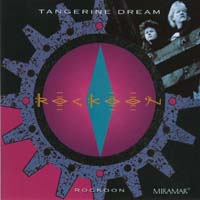 1992Rockoon
 1992Quinoa
 1989Lily on the Beach
 1987Tyger
 1986Underwater Sunlight
 1986Green Desert
 1985Le Parc
 1982White Eagle
 1981Exit
 1980Tangram
 1979Force Majeure
 1978Cyclone
 1976Stratosfear
 1975Rubycon
 1974Phaedra
 1973Atem
 1972Zeit
 1971Alpha Centauri
 1970Electronic Meditation