

Franz Kafka: The Castle by Tangerine Dream: expectations vs reality
Franz Kafka: The Castle- Album Overview
"Franz Kafka: The Castle" is a concept album by the influential electronic music group Tangerine Dream, released in 1992. The album is inspired by Franz Kafka's surreal and often perplexing novel "The Castle," which reflects themes of bureaucracy, existentialism, and the human condition. This album was released under the label Private Music, a label known for its focus on ambient and new-age music. The recording took place during a period when Tangerine Dream was experimenting with digital synthesizers and complex compositions, showcasing their evolution from their earlier work in the 1970s.
The lineup for this album includes the core members Edgar Froese, who was the driving force behind the band's vision, along with Chris Franke and Paul Haslinger. Their collaboration resulted in a soundscape that captures the essence of Kafka's intricate narrative, blending ethereal melodies with intricate electronic textures. Notably, "Franz Kafka: The Castle" features tracks such as "The Castle" and "The Arrival," which exemplify the atmospheric depth characteristic of Tangerine Dream's sound. Although the album did not produce any notable singles, it has garnered a niche following among fans of ambient music and literature enthusiasts alike.
The cultural significance of the album lies in its ability to bridge literature and music, creating an auditory interpretation of Kafka's complex themes. This album represents a critical point in Tangerine Dream's discography, reflecting their adaptability and willingness to explore new artistic territories while remaining true to their electronic roots.
Review
The sound of "Franz Kafka: The Castle" is both haunting and immersive, effectively transporting listeners into Kafka's world of uncertainty and existential dread. Tangerine Dream masterfully employs synthesizers to create a rich tapestry of sound, with each track unfolding like a chapter in a novel. The absence of lyrics allows the music to speak for itself, inviting listeners to interpret the emotional landscape through their own experiences.
While the album excels in creating a cohesive atmosphere, some may find its pacing slow, particularly in tracks that linger on ambient soundscapes. The artistic vision behind the album is commendable; however, it may not resonate with all audiences, especially those expecting the more upbeat, structured compositions that characterized earlier works like "Phaedra." Nonetheless, for those willing to embrace the ethereal and the abstract, "Franz Kafka: The Castle" offers a rewarding listening experience that challenges conventional music forms.
Highlights
- Rich, atmospheric soundscapes that evoke the essence of Kafka's narrative.
- Innovative use of synthesizers, showcasing Tangerine Dream's prowess in electronic music.
- A unique blend of literature and music, appealing to fans of both disciplines.
Weak points
- Slow pacing may deter listeners seeking more dynamic compositions.
- Lack of lyrical content might limit accessibility for some audiences.
- May feel disconnected from the mainstream music scene of the early '90s.
Overall evaluation
"Franz Kafka: The Castle" stands as a testament to Tangerine Dream's ability to merge literary depth with innovative sound. While it may not cater to all tastes, its artistic vision and atmospheric quality make it a noteworthy addition to the band's extensive catalog.
Personal rating: 7/10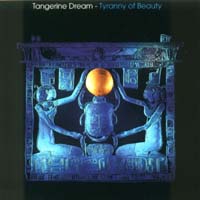 1995Tyranny of Beauty
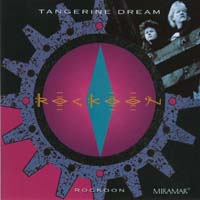 1992Rockoon
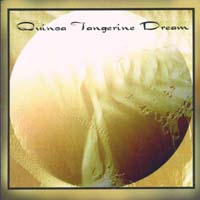 1992Quinoa
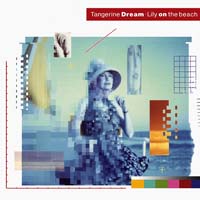 1989Lily on the Beach
 1987Tyger
 1986Underwater Sunlight
 1986Green Desert
 1985Le Parc
 1982White Eagle
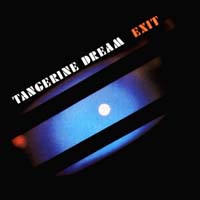 1981Exit
 1980Tangram
 1979Force Majeure
 1978Cyclone
 1976Stratosfear
 1975Rubycon
 1974Phaedra
 1973Atem
 1972Zeit
 1971Alpha Centauri
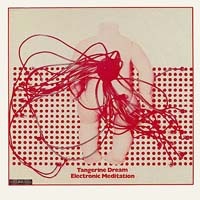 1970Electronic Meditation