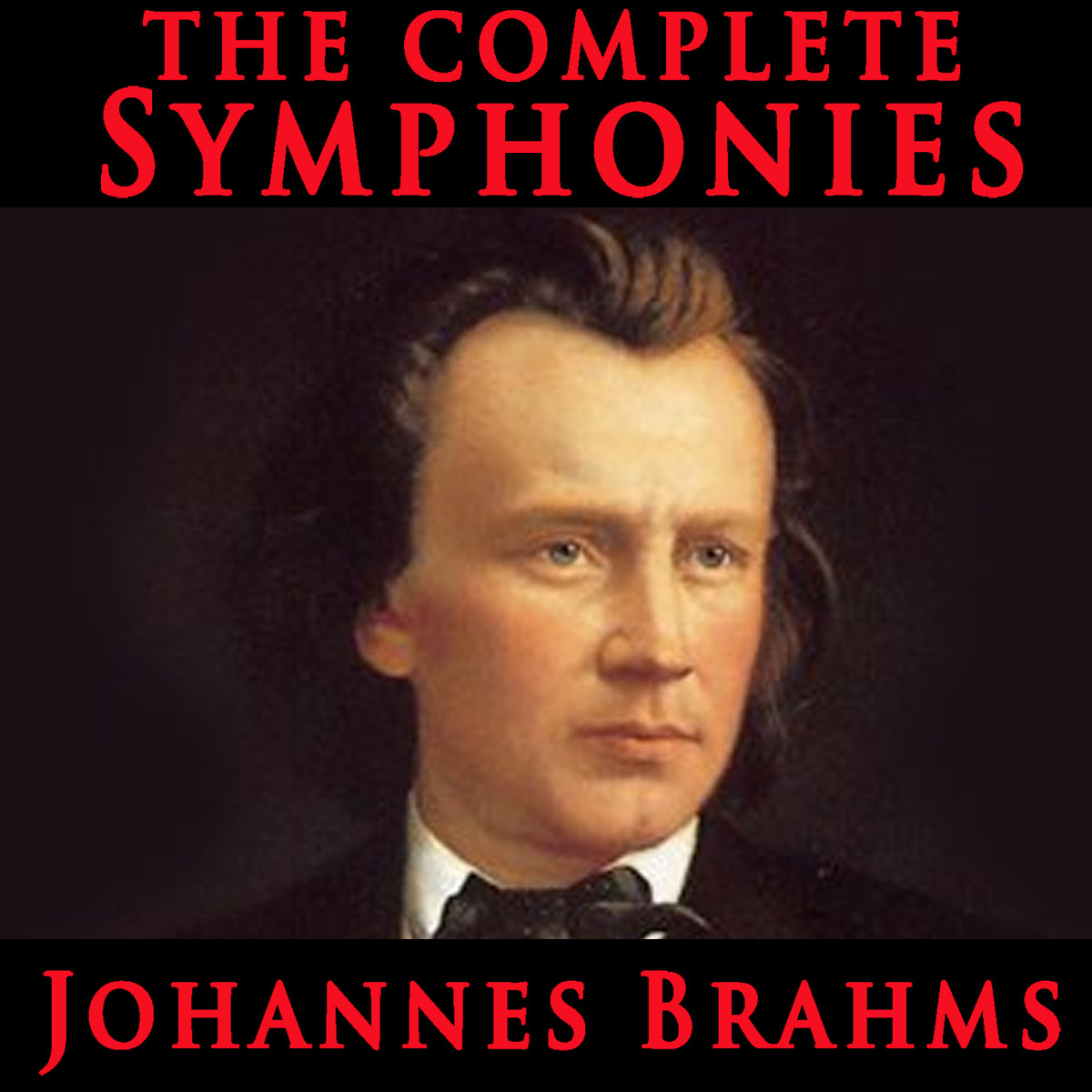
Sonata No. 1 In E Minor For 'cello And Piano - Album Overview
Johannes Brahms composed his Sonata No. 1 in E Minor for Cello and Piano, Op. 38, between 1862 and 1865, and it was first published in 1865. The work was written during a period of intense creativity for Brahms, who was establishing himself as one of the leading composers of the Romantic era. The sonata showcases a rich dialogue between the cello and piano, highlighting Brahms's ability to blend deep emotional expression with structural rigor. Notably, this sonata is one of the earliest chamber works Brahms wrote for cello, highlighting his admiration for the instrument.
The recording of this sonata has been undertaken by various artists across multiple labels, with notable interpretations by cellists such as Yo-Yo Ma and Steven Isserlis, accompanied by distinguished pianists. These recordings have helped to popularize the sonata, bringing its intricate melodies and complex harmonies to a wider audience.
Musically, the sonata is structured in three movements: Allegro non troppo, Allegretto quasi menuetto, and Allegro. Each movement presents unique challenges and showcases the technical prowess of both the cello and piano. The work is characterized by its lyrical themes, rhythmic vitality, and harmonic depth. Culturally, Brahms's Sonata No. 1 has had a significant impact on the cello repertoire and is often performed in concert halls around the world, illustrating the enduring legacy of Brahms's contributions to classical music.
Review
The Sonata No. 1 in E Minor is a remarkable blend of passion and precision. The opening movement, Allegro non troppo, captivates with its emotive intensity and lyrical poignancy, inviting listeners into a world of introspection. The interplay between cello and piano is masterful; each instrument not only complements but also challenges the other, creating a dynamic conversation that resonates throughout the piece.
In the second movement, Allegretto quasi menuetto, Brahms introduces a lighter, more playful character, which provides a delightful contrast to the somber tones of the first movement. This movement is filled with nuances that highlight the performers' interpretations, allowing for a personal touch that can be both charming and melancholic.
The final movement, Allegro, brings the sonata to a vigorous conclusion, with a sense of urgency and excitement that leaves listeners invigorated. The technical demands placed on both instruments are significant, showcasing the performers' skill while encapsulating the emotional depth that Brahms is known for. Overall, this sonata is not merely a display of virtuosity; it is an exploration of the human experience, captured through the expressive capabilities of the cello and piano.
Highlights
- Rich emotional depth and lyrical melodies.
- Intricate interplay between cello and piano.
- Significant impact on cello repertoire and performance practice.
Weak points
- Some may find the complexity challenging to appreciate on first listen.
- The length of the sonata may test the patience of casual listeners.
- Interpretations can vary widely, which may lead to inconsistency in performances.
Overall evaluation
Brahms's Sonata No. 1 in E Minor for Cello and Piano is a cornerstone of the chamber music repertoire. Its combination of emotional depth, technical complexity, and musical innovation makes it a must-listen for classical music enthusiasts. Each performance brings something unique, revealing new layers to this timeless work.
Personal rating: 9/10