

Diving deep into Madcap’s Flaming Duty by Tangerine Dream
Madcap’s Flaming Duty- Album Overview
Released in 2007, "Madcap's Flaming Duty" marks a significant chapter in the illustrious career of the electronic music pioneers, Tangerine Dream. This album is noted for being a departure from the band's earlier works while still retaining the hallmarks of their signature sound. Released under the label TDI Music, the album showcases the creative synergy of band members Edgar Froese, who has been the driving force behind the band since its inception, along with other collaborators including Thorsten Quaeschning, who contributed to the album's lush soundscapes.
The recording sessions took place in the band's own studio, where they utilized both analog and digital synthesizers, a blend that resonates throughout the album. The title itself, "Madcap's Flaming Duty," is a nod to the spirit of creativity and exploration that the band embodies, as it draws inspiration from the literary works of the artist and writer, Roger Zelazny.
This album features a variety of tracks that span a duration of approximately 73 minutes, allowing for an expansive auditory experience. Notable tracks include the evocative "The Gate to the Future" and the atmospheric "The Last Starfighter," which showcases the band's ability to blend melodic motifs with intricate rhythms. While the album did not produce mainstream singles, it was well-received within the progressive electronic community, further solidifying Tangerine Dream's legacy as innovators in the genre.
Musically and culturally, "Madcap’s Flaming Duty" serves as a testament to Tangerine Dream's ongoing evolution, demonstrating their adaptability in a changing musical landscape. The album's themes of journey and exploration resonate deeply with fans, reaffirming the band's status as a cornerstone of electronic music.
Review
The sound of "Madcap's Flaming Duty" is a rich tapestry of textures and sonic landscapes, blending ethereal melodies with driving rhythms. The album opens with “The Gate to the Future,” which sets a dreamy tone and invites listeners into a world that is both reflective and forward-thinking. The intricate layering of synthesizers creates a sense of depth, transporting listeners on an auditory journey that is both immersive and expansive.
Unlike some of their earlier works, the album leans more towards a cinematic feel, with tracks like “The Last Starfighter” evoking images of vast, uncharted territories. Lyrically sparse, the album relies heavily on instrumental storytelling, allowing the music itself to convey emotion and narrative. This artistic choice aligns with Tangerine Dream's vision of creating soundscapes that transcend traditional song structures, appealing to both the mind and the spirit.
Overall, "Madcap’s Flaming Duty" is a significant exploration of sound that reflects Tangerine Dream's legacy while pushing boundaries. It invites listeners to ponder their own journeys and the future of music itself.
Highlights
- Innovative soundscapes that blend analog and digital elements seamlessly.
- Strong thematic cohesion throughout the album, creating an immersive experience.
- Captivating melodies that showcase the band's mastery of instrumental storytelling.
Weak points
- Absence of mainstream singles may limit broader audience appeal.
- Some tracks may feel lengthy to listeners unfamiliar with progressive electronic music.
- Minimal lyrical content may not resonate with those seeking more traditional song structures.
Overall evaluation
"Madcap's Flaming Duty" is a compelling addition to Tangerine Dream's discography that showcases their artistic evolution. While it may not cater to all musical tastes, its intricate soundscapes and rich thematic elements make it a noteworthy listen for fans of electronic music.
Personal rating: 8/10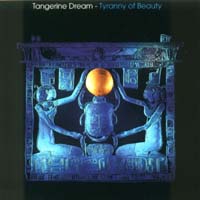 1995Tyranny of Beauty
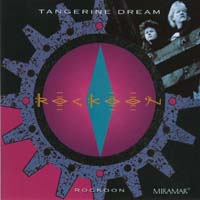 1992Rockoon
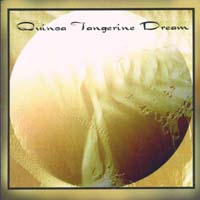 1992Quinoa
 1989Lily on the Beach
 1987Tyger
 1986Underwater Sunlight
 1986Green Desert
 1985Le Parc
 1982White Eagle
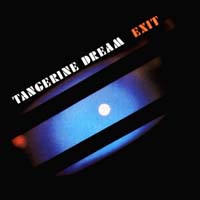 1981Exit
 1980Tangram
 1979Force Majeure
 1978Cyclone
 1976Stratosfear
 1975Rubycon
 1974Phaedra
 1973Atem
 1972Zeit
 1971Alpha Centauri
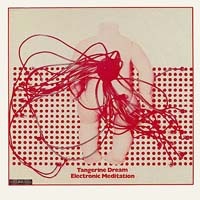 1970Electronic Meditation