ALBUM NOTESUnpacking Tangerine Dream's Jeanne D’arc
Jeanne D’arc- Album Overview
Tangerine Dream's "Jeanne D’arc," released in 1985, is a pivotal entry in the German electronic music pioneers' extensive catalog. The album, released under the private label TDI (Tangerine Dream International), showcases the band's unique blend of synthesizer-driven soundscapes and narrative storytelling. "Jeanne D’arc" is inspired by the life of Joan of Arc, reflecting themes of heroism, faith, and tragedy. The album comprises six tracks that weave an intricate tapestry of sound, each piece contributing to a greater narrative about the historical figure.
The recording process took place at the band's own studio, with the lineup including founding members Edgar Froese and Johannes Schmoelling, alongside new collaborator, guitarist and keyboardist, Paul Haslinger. This collaboration marked a significant evolution in their sound, integrating more rock-oriented elements and a broader emotional spectrum. The lead track, "The Last Crusade," serves as a powerful introduction, encapsulating the essence of Joan's struggle. Other notable tracks include "The Battle," which features intense rhythms and soaring synths that evoke the chaos of conflict.
"Jeanne D’arc" is notable for its cultural significance, as it reflects the growing trend of concept albums during the 1980s, where artists sought to create cohesive narratives through their work. The album did not produce mainstream singles but has garnered a cult following over the years, praised for its ambitious thematic content and innovative sound design. Its blend of electronic and orchestral elements has also made it a source of inspiration for various genres, including ambient, new age, and film scores.
Review
"Jeanne D’arc" stands as a testament to Tangerine Dream's ability to fuse storytelling with avant-garde music. The sound is lush and expansive, employing a rich palette of synthesizers that transport listeners to a different era. The album's strength lies in its ability to evoke emotion without the need for lyrics; the music itself tells the story of Joan of Arc's trials and tribulations.
Tracks like "The Last Crusade" and "The Battle" showcase the band's mastery over dynamics, transitioning seamlessly from quiet introspection to powerful crescendos. The use of layering, combined with intricate melodies, creates a sense of urgency that mirrors the struggles faced by the titular character. The production is polished, highlighting the technical prowess of both the musicians and the technology of the time.
While the album may initially appear challenging to some listeners, its depth reveals itself upon repeated listens. It invites contemplation and reflection, making it a rewarding experience for those willing to invest the time. Overall, "Jeanne D’arc" is not merely an album; it's an auditory journey that grapples with timeless themes of sacrifice and valor, all set against a backdrop of mesmerizing soundscapes.
Highlights
- Rich, textured soundscapes that create an immersive listening experience.
- Strong thematic content that explores the life of Joan of Arc in a compelling way.
- Innovative use of synthesizers that showcases Tangerine Dream's evolution in sound.
Weak points
- May not appeal to mainstream audiences due to its abstract nature.
- Lacks traditional song structures, which might alienate some listeners.
- Limited promotion and singles hindered broader recognition at the time of release.
Overall evaluation
"Jeanne D’arc" is a significant work that encapsulates Tangerine Dream's innovative spirit and artistic ambition. Its emotional depth and historical significance make it a noteworthy entry in the electronic music canon.
Personal rating: 8/10


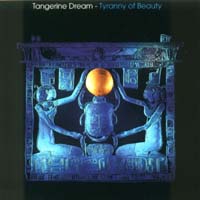 1995Tyranny of Beauty
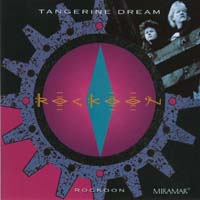 1992Rockoon
 1992Quinoa
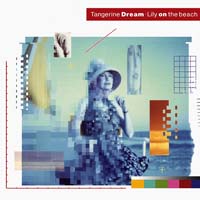 1989Lily on the Beach
 1987Tyger
 1986Underwater Sunlight
 1986Green Desert
 1985Le Parc
 1982White Eagle
 1981Exit
 1980Tangram
 1979Force Majeure
 1978Cyclone
 1976Stratosfear
 1975Rubycon
 1974Phaedra
 1973Atem
 1972Zeit
 1971Alpha Centauri
 1970Electronic Meditation