
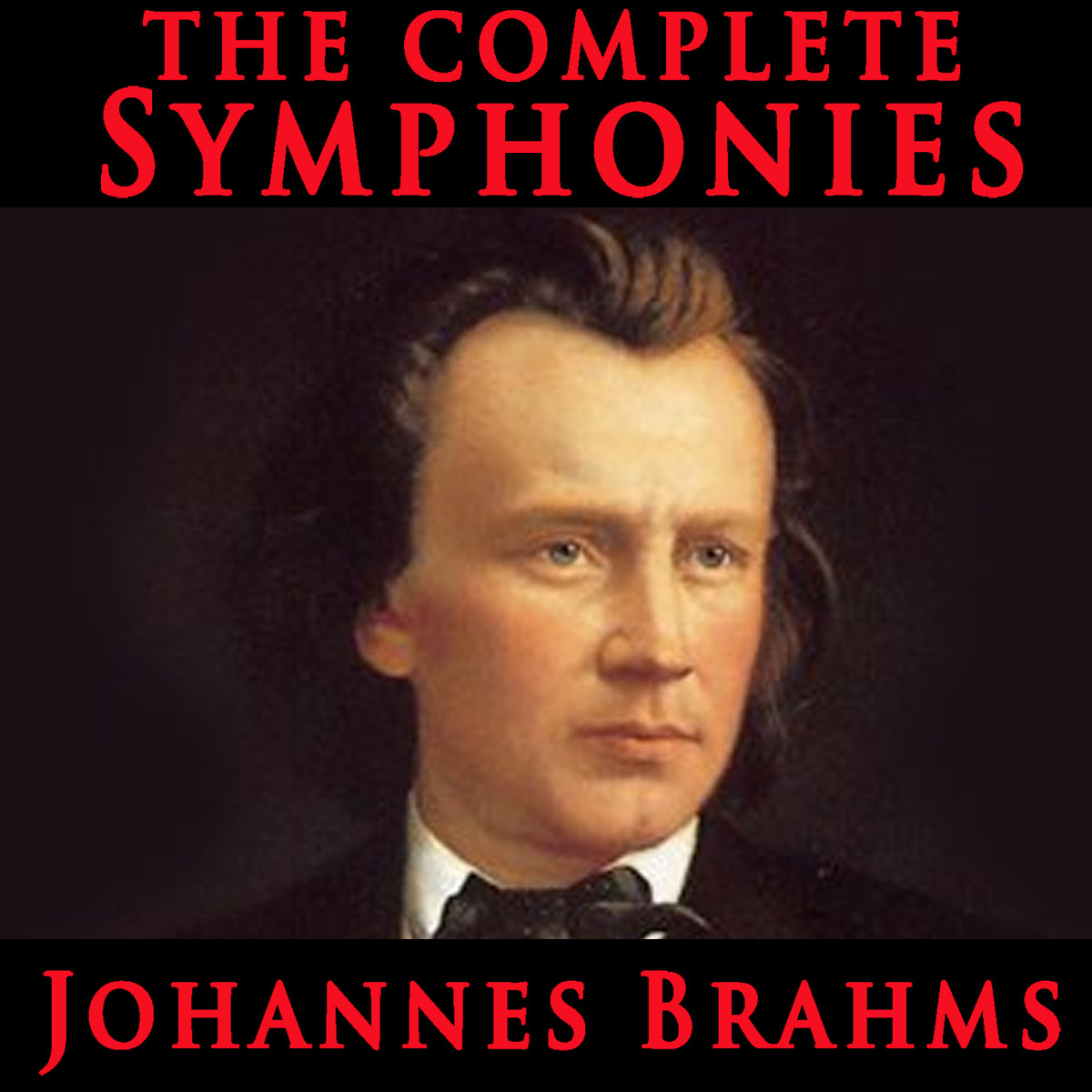
The evolution of Johannes Brahms in Hungarian & Slavonic Dances
Hungarian & Slavonic Dances- Album Overview
The album "Hungarian & Slavonic Dances," featuring works by Johannes Brahms, showcases the composer’s intricate exploration of Eastern European folk themes. Released in various formats over the years, one of the notable recordings was released in 1880, shortly after Brahms completed these dance pieces. The album typically includes a collection of Brahms' Hungarian Dances, which were arranged for piano and orchestra, as well as the Slavonic Dances, originally composed by Antonín Dvo?ák but often performed alongside Brahms' works due to their thematic and stylistic similarities.
The Hungarian Dances are notable for their lively rhythms and melodic inventiveness, reflecting Brahms’ admiration for Hungarian folk music, which he encountered during his travels. The melodies are often vibrant, infused with a sense of joy and spontaneity. Brahms, who meticulously crafted his music, infused these dances with a sense of authenticity that remains appealing to audiences today. In contrast, the Slavonic Dances, while not composed by Brahms himself, offer a complementary tapestry that highlights the rich Slavic musical heritage and its influence on Brahms’ own compositions.
This album has been recorded by numerous orchestras and ensembles, with various interpretations that showcase the timeless nature of these works. It has been released under several labels, including Deutsche Grammophon and London Records. Collaborations with renowned conductors and orchestras have brought renewed attention to these pieces, ensuring their place in the classical repertoire.
Musically, the dances serve not only as a testament to Brahms’ skill but also as an exploration of cultural identity through music. The rhythmic patterns and folk influences resonate with audiences, bridging the gap between classical music and folk traditions. The album remains significant for both its historical context and its enduring appeal in the concert hall and beyond.
Review
The "Hungarian & Slavonic Dances" album is a vibrant showcase of Johannes Brahms’ ability to weave folk elements with classical structures. The lively tempos and infectious melodies found in the Hungarian Dances are captivating, with each track offering a unique emotional experience that ranges from exuberance to nostalgia. Brahms effectively captures the essence of Hungarian folk music, providing listeners with a rich auditory tapestry that feels both familiar and innovative.
The orchestration throughout the album is masterful; Brahms’ choice of instruments brings out the nuances of folk traditions while maintaining a classical sensibility. Each performance is a celebration of rhythmic vitality and melodic charm, and the album highlights Brahms’ genius in blending these influences seamlessly. The artistic vision is clear: to celebrate the spirit of Eastern European music while infusing it with his own distinct style, resulting in pieces that are both accessible and profound.
However, the album does not delve into lyrics, as these are instrumental works. The absence of words allows for a pure musical expression that speaks volumes through its intricacies. Brahms’ Hungarian and Slavonic Dances are, in many ways, a reflection of his respect for folk traditions, offering listeners a chance to experience the cultural richness of the regions that inspired him.
Highlights
- Vibrant orchestration that captures the essence of folk music.
- Melodic inventiveness that showcases Brahms' compositional skill.
- Cultural significance that bridges Eastern European traditions with classical music.
Weak points
- Some listeners may find the lack of vocal elements limiting.
- Repetitive themes in certain dances might detract from the overall experience.
- Interpretations can vary significantly between different orchestras, affecting consistency.
Overall evaluation
"Hungarian & Slavonic Dances" stands as a testament to Brahms’ genius in fusing folk influences with classical music. The album not only showcases the lively spirit of Eastern European dance but