Biography
Duke Ellington: history and sound
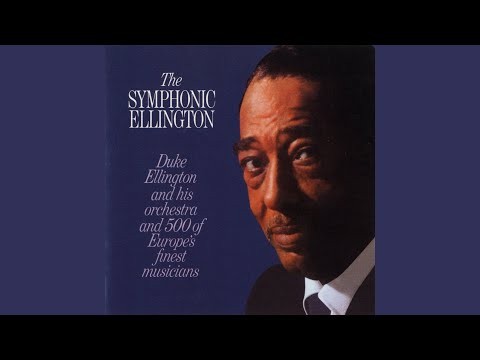
Edward Kennedy Duke Ellington (April 29, 1899 – May 24, 1974) was an American composer, pianist and bandleader of jazz orchestras. Legendary composer and jazz pianist, Duke Ellington, is certainly one of the most influential musicians in musical history. His influence certainly still impacts genres like jazz, blues and many more throughout the world today. From "Sophisticated Lady" to "Take the 'A' Train", Ellington composed music that stands out as some of the best of all time. Listening to his songs transports you back in time, reminding us how incredibly important his body of work is. His seemingly two lives –devotedly devoted to music while being a loving husband and family man– leave music lovers an abundant repertoire of sounds, newly joined with respect and admiration. The best part? You can still listen to majestic masterpieces composed by Duke Ellington himself -- true gold!
The Musical Genius of Duke Ellington: A Journey Through His Best Songs and Legacy
Duke Ellington was a legend in the jazz world, revolutionizing the genre in the 1920s and 30s with his daring and innovative musical approach. Born in Washington, D.C. in 1899, Ellington began playing piano at a young age and went on to become one of the most prolific and influential musicians of the 20th century. From his early days as a pianist and bandleader to his later years as a jazz icon, Duke Ellington's music has had a profound impact on the world of music, redefining the genre and paving the way for future generations of jazz musicians. Join us as we take a journey through Ellington's life and career, exploring some of his best songs, music genre, famous concerts, and a critic.
Duke Ellington's musical biography is a testament to his versatility and creativity. He started his career as a band leader in 1923 and quickly gained popularity with his unique approach to jazz. Ellington was known for blending different genres such as swing, blues, and classical music to create a sound all of his own. He wrote over 1,000 compositions throughout his career and was responsible for introducing jazz compositions to concert audiences, making him one of the most accomplished and diverse musicians of all time.
Some of his best songs include Mood Indigo, a hauntingly beautiful tune that is both melancholic and uplifting, Take the A Train, a vibrant and energetic song that became one of his most popular pieces, and It Don't Mean a Thing, a classic and upbeat tune that represents the essence of swing music. These timeless pieces have become synonymous with Duke Ellington's legacy, continuing to inspire musicians and listeners alike.
Duke Ellington's music genre was innovative as it combined elements of jazz, blues, and swing to create a new and unique sound. His music was also known for its ability to evoke emotion, with songs that ranged from melancholic and introspective to upbeat and joyful. Ellington and his band were pioneers of swing music, revolutionizing the genre and making it accessible to a wider audience.
One of the most famous concerts in Duke Ellington's career took place in 1956 at the Newport Jazz Festival. The concert was recorded and subsequently released as an album titled Ellington at Newport. The highlight of the concert was Diminuendo and Crescendo in Blue, a song that featured a 27-chorus solo by tenor saxophonist Paul Gonsalves. The performance was so energetic and captivating that it triggered a frenzied response from the audience, with people dancing in the aisles and shouting for an encore.
Despite the enormous impact and success that Duke Ellington had on the jazz world, he was not immune to criticism. Some critics accused him of being too commercial and pandering to a wider audience, while others claimed that his music was too predictable and formulaic. However, Ellington's legacy has stood the test of time, with his memorable compositions and innovative approach to music that still inspire jazz musicians to this day.
In conclusion, Duke Ellington was a musical genius whose contributions to the world of jazz forever changed the genre. He created an expansive and diverse catalogue of songs that reached audiences across the globe, blending genres and styles to create a sound all of his own. He was a trailblazer in his field, challenging the norms and paving the way for future generations of jazz musicians. His music continues to inspire and captivate audiences worldwide, cementing Duke Ellington's place in history as one of the most influential musicians of all time.
In conclusion, Duke Ellington was a musical genius whose contributions to the world of jazz forever changed the genre. He created an expansive and diverse catalogue of songs that reached audiences across the globe, blending genres and styles to create a sound all of his own. He was a trailblazer in his field, challenging the norms and paving the way for future generations of jazz musicians. His music continues to inspire and captivate audiences worldwide, cementing Duke Ellington's place in history as one of the most influential musicians of all time.
The Musical Genius of Duke Ellington: A Journey Through His Best Songs and Legacy
Duke Ellington was a legend in the jazz world, revolutionizing the genre in the 1920s and 30s with his daring and innovative musical approach. Born in Washington, D.C. in 1899, Ellington began playing piano at a young age and went on to become one of the most prolific and influential musicians of the 20th century. From his early days as a pianist and bandleader to his later years as a jazz icon, Duke Ellington's music has had a profound impact on the world of music, redefining the genre and paving the way for future generations of jazz musicians. Join us as we take a journey through Ellington's life and career, exploring some of his best songs, music genre, famous concerts, and a critic.
Duke Ellington's musical biography is a testament to his versatility and creativity. He started his career as a band leader in 1923 and quickly gained popularity with his unique approach to jazz. Ellington was known for blending different genres such as swing, blues, and classical music to create a sound all of his own. He wrote over 1,000 compositions throughout his career and was responsible for introducing jazz compositions to concert audiences, making him one of the most accomplished and diverse musicians of all time.
Some of his best songs include Mood Indigo, a hauntingly beautiful tune that is both melancholic and uplifting, Take the A Train, a vibrant and energetic song that became one of his most popular pieces, and It Don't Mean a Thing, a classic and upbeat tune that represents the essence of swing music. These timeless pieces have become synonymous with Duke Ellington's legacy, continuing to inspire musicians and listeners alike.
Duke Ellington's music genre was innovative as it combined elements of jazz, blues, and swing to create a new and unique sound. His music was also known for its ability to evoke emotion, with songs that ranged from melancholic and introspective to upbeat and joyful. Ellington and his band were pioneers of swing music, revolutionizing the genre and making it accessible to a wider audience.
One of the most famous concerts in Duke Ellington's career took place in 1956 at the Newport Jazz Festival. The concert was recorded and subsequently released as an album titled Ellington at Newport. The highlight of the concert was Diminuendo and Crescendo in Blue, a song that featured a 27-chorus solo by tenor saxophonist Paul Gonsalves. The performance was so energetic and captivating that it triggered a frenzied response from the audience, with people dancing in the aisles and shouting for an encore.
Despite the enormous impact and success that Duke Ellington had on the jazz world, he was not immune to criticism. Some critics accused him of being too commercial and pandering to a wider audience, while others claimed that his music was too predictable and formulaic. However, Ellington's legacy has stood the test of time, with his memorable compositions and innovative approach to music that still inspire jazz musicians to this day.
In conclusion, Duke Ellington was a musical genius whose contributions to the world of jazz forever changed the genre. He created an expansive and diverse catalogue of songs that reached audiences across the globe, blending genres and styles to create a sound all of his own. He was a trailblazer in his field, challenging the norms and paving the way for future generations of jazz musicians. His music continues to inspire and captivate audiences worldwide, cementing Duke Ellington's place in history as one of the most influential musicians of all time.
In conclusion, Duke Ellington was a musical genius whose contributions to the world of jazz forever changed the genre. He created an expansive and diverse catalogue of songs that reached audiences across the globe, blending genres and styles to create a sound all of his own. He was a trailblazer in his field, challenging the norms and paving the way for future generations of jazz musicians. His music continues to inspire and captivate audiences worldwide, cementing Duke Ellington's place in history as one of the most influential musicians of all time.