
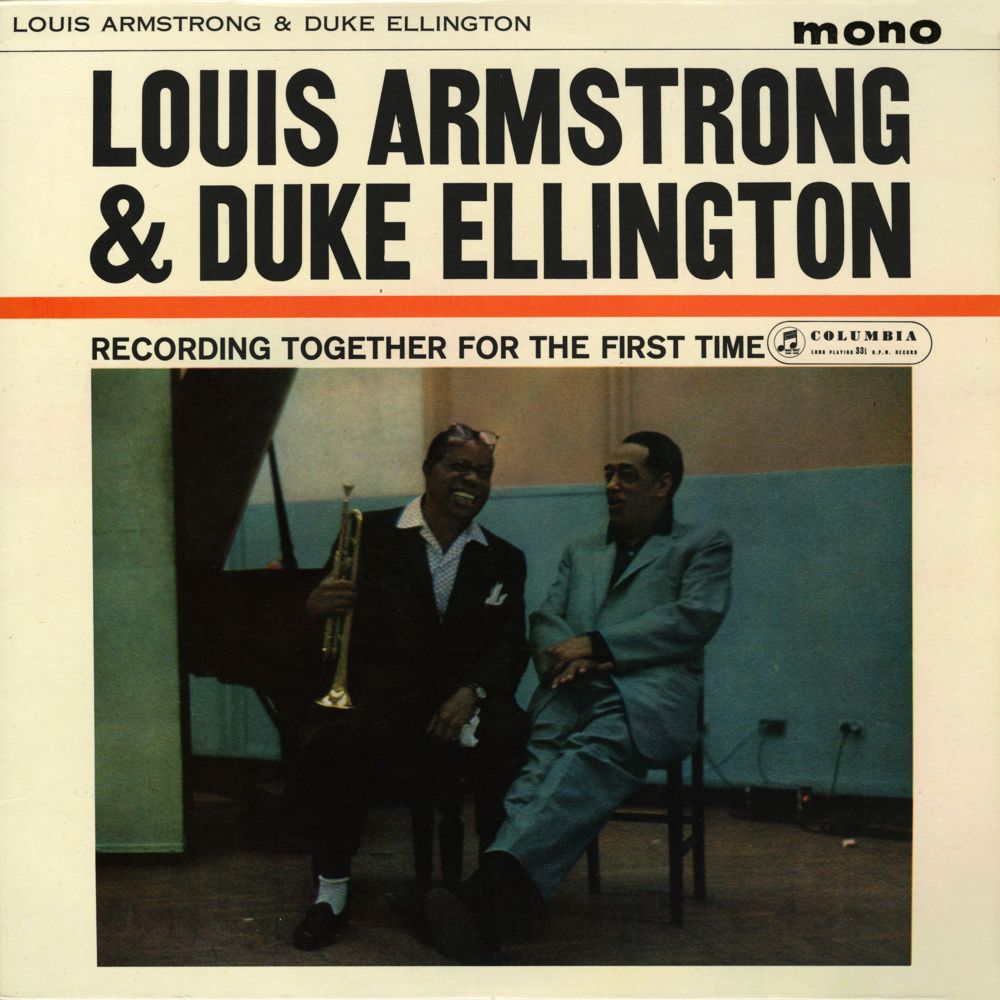
The Piano Player: the next chapter for Duke Ellington
The Piano Player- Album Overview
"The Piano Player," released in 1970, is a significant album by the legendary jazz composer and bandleader Duke Ellington. This project is particularly noteworthy as it encapsulates Ellington's mastery of the piano and his ability to convey deep emotion through his music. Recorded for the Pablo Records label, the album features Ellington performing solo piano interpretations of his own compositions, showcasing his innovative approach to jazz and his unique melodic sensibilities.
The album includes classic tracks such as "Mood Indigo," "Sophisticated Lady," and "In a Sentimental Mood," which highlight Ellington's sophisticated harmony and intricate rhythms. Collaborating with him on this project were notable figures in the jazz world, including producer Norman Granz, who played a crucial role in bringing Ellington's vision to life. The recording sessions took place at various locations, allowing for a rich and diverse sound that encapsulates the essence of Ellington's style.
"The Piano Player" is significant not only for its musical content but also for its cultural impact. It represents a bridge between the big band era and the more intimate settings of jazz performance, reflecting the evolution of jazz in the late 20th century. This album stands as a testament to Ellington's enduring legacy, highlighting his contributions to the genre and providing listeners with an opportunity to experience the depth of his artistry in a solo format. The interpretations are imbued with his signature style, demonstrating why he remains a towering figure in the world of jazz.
Review
The sound of "The Piano Player" is both intimate and expansive, allowing listeners to appreciate the intricacies of Ellington's compositions. His piano playing is characterized by a combination of technical prowess and emotional depth, seamlessly blending classical influences with jazz improvisation. Unlike many contemporary albums of the time, which often focused on ensemble playing, Ellington's decision to present his work solo allows for a more personal connection to his music. The absence of other instruments highlights the richness of his melodies and the complexities of his harmonic structure.
The artistic vision behind this album is clear; Ellington aims to showcase the piano as a primary voice in jazz, offering a fresh perspective on his well-known works. Each track unfolds with a sense of storytelling, drawing the listener into a world of nostalgia and reflection. While the album does not feature lyrics, the emotional weight of the music speaks volumes, conveying joy, sorrow, and everything in between. Ellington's interpretations invite listeners to explore the subtleties of his compositions, making "The Piano Player" a profound listening experience.
Highlights
- Masterful piano playing that captures the essence of Ellington's style.
- A unique opportunity to hear classic compositions in an intimate solo format.
- Emotional depth and storytelling inherent in every track.
Weak points
- Some listeners may prefer the fuller sound of his big band arrangements.
- The album's pacing may feel slow for those used to more energetic jazz forms.
- A limited number of tracks might leave fans wanting more from this legendary artist.
Overall evaluation
"The Piano Player" is a profound representation of Duke Ellington's genius, offering a reflective and intimate listening experience that captures the essence of his artistry. This album is a must-listen for jazz aficionados and a fitting tribute to one of music's greatest composers.
Personal rating: 9/10 1996Louis Armstrong meets Duke Ellington
 1979Unknown Session
 1962Money Jungle
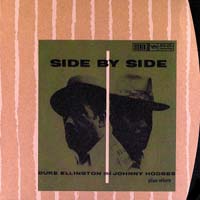 1959Side by Side