ALBUM NOTESDuke Ellington-Money Jungle – Money Jungle: a sonic journey
Album overview
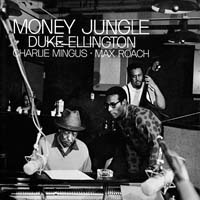
The album "Money Jungle," released in 1963, stands as a significant collaborative jazz project featuring the legendary Duke Ellington alongside iconic musicians Charles Mingus and Max Roach. Recorded in just two sessions in 1962, the album was released by the United Artists label and showcases the unique interplay between its three virtuoso contributors. The title track, "Money Jungle," alongside compositions like "Caravan" and "The Creeper," reflects not only the musicians' technical prowess but also their innovative approaches to jazz during a period of cultural transformation in America. The album's production was notable for its rawness, capturing the spontaneous energy of the sessions, a hallmark of jazz that prioritizes improvisation and individual expression. "Money Jungle" became significant not only for its musical innovations but also for its commentary on socio-economic themes, resonating with the civil rights movements of the era. The album has since been recognized as a classic, influencing countless musicians and remaining relevant in discussions of jazz history.
Review
"Money Jungle" is a breathtaking exploration of jazz that encapsulates the raw energy and emotional depth of its creators. The album's sound is a dynamic blend of Ellington's sophisticated compositions, Mingus's bold, avant-garde spirit, and Roach's intricate rhythms. Each track is a masterclass in synergy, with the musicians pushing each other to new creative heights, resulting in a vibrant tapestry of sound. The lyrics, while limited, serve as a poignant reflection of the economic struggles faced during the 1960s, enhancing the album's cultural significance. The artistic vision behind "Money Jungle" is both personal and political, making it a timeless piece that speaks to the human experience.
Highlights
- The seamless collaboration between Ellington, Mingus, and Roach, showcasing their individual styles while forming a cohesive sound.
- Innovative compositions that capture the essence of jazz's improvisational nature.
- The album's cultural relevance, addressing economic themes that resonate with listeners across generations.
Weak points
- Some listeners may find the raw production quality less polished compared to contemporary jazz recordings.
- The album's complexity may be challenging for those unfamiliar with avant-garde jazz.
- The limited number of tracks may leave fans wanting more from such a talented trio.
Overall evaluation
"Money Jungle" remains a landmark album in jazz history, showcasing the brilliance of its creators and their ability to blend personal expression with broader social commentary. It's an essential listen for anyone interested in the evolution of jazz and its cultural impact.
Personal rating: 9/10
```

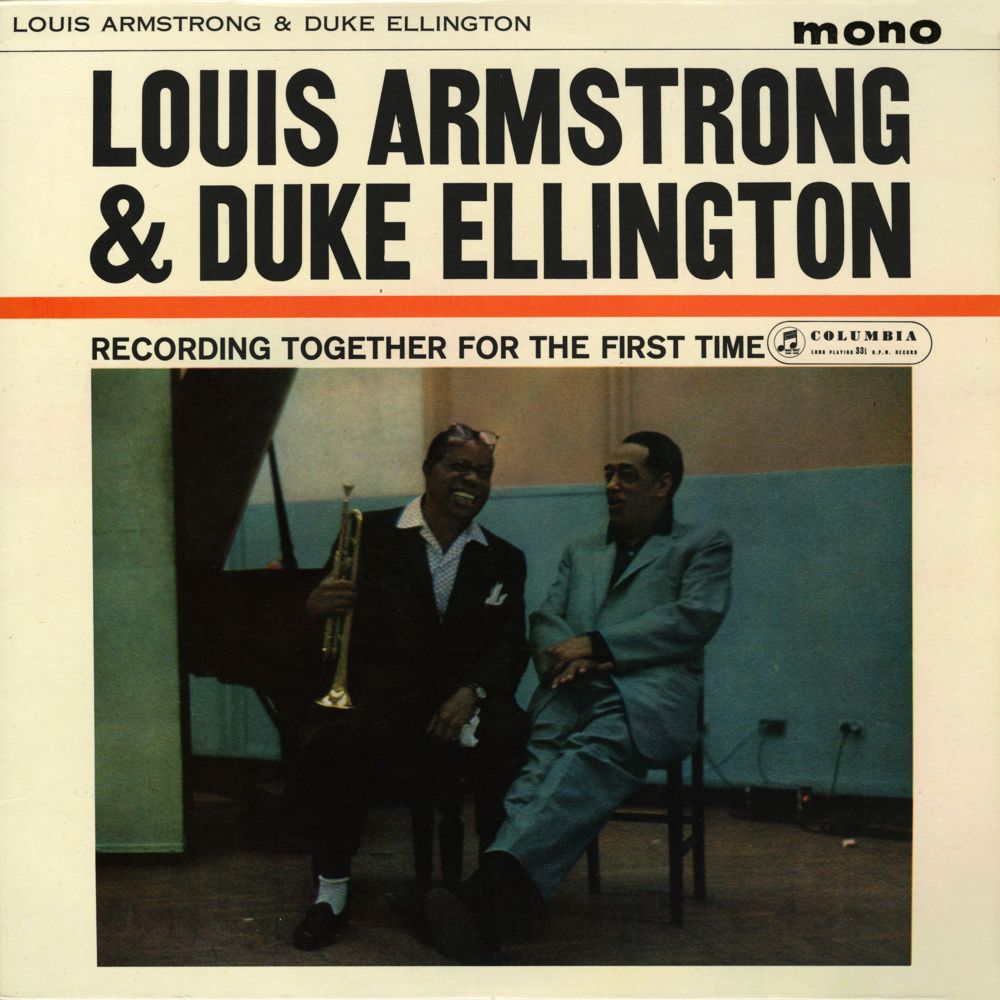 2017An Intimate Piano Session
 1996Louis Armstrong meets Duke Ellington
 1979Unknown Session
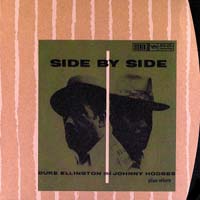 1959Side by Side