ALBUM NOTESListening guide: Duke Ellington's Orchestral Works
Orchestral Works- Album Overview
Duke Ellington's "Orchestral Works" showcases the genius of one of jazz's most significant figures, highlighting his innovative orchestral compositions. Released in 1999 under the RCA Victor label, this compilation features a selection of Ellington's orchestral works, many of which were originally recorded during the golden era of jazz in the 1920s through the 1970s. The album includes pieces that emphasize Ellington’s mastery in blending jazz elements with classical and popular music.
The recording sessions involved a large ensemble of talented musicians who were part of Ellington's orchestra, including notable collaborators like Johnny Hodges, Cootie Williams, and Paul Gonsalves. These musicians brought their unique styles and virtuosity to Ellington's arrangements, creating a rich tapestry of sound that is both sophisticated and accessible. The tracks included on the album are carefully curated to reflect Ellington's artistic vision, showcasing his ability to compose for a variety of moods and settings.
Significantly, "Orchestral Works" serves not only as a testament to Ellington's compositional skills but also as an essential documentation of the evolution of jazz orchestration. The album features pieces like "Black, Brown and Beige," a suite that addresses African American history, and "Harlem," which captures the vibrancy of the iconic neighborhood. Each work is a narrative in sound, contributing to the cultural significance of Ellington's legacy in American music.
Review
Duke Ellington's "Orchestral Works" is a breath-taking homage to the complexity and beauty of orchestral jazz. The album's sound is characterized by lush arrangements, intricate harmonies, and the seamless interplay between soloists and the ensemble. Ellington's orchestration techniques are on full display, demonstrating his ability to blend different instrumental timbres to create a rich auditory landscape.
The lyrical content of Ellington's compositions, while not traditional in the way of lyrics, speaks volumes through its melodic and harmonic structures. The emotional depth of pieces like "Mood Indigo" and "Satin Doll" resonates with listeners, transcending time and genre. Ellington's artistic vision is evident in his innovative use of rhythm and melody, making each track a unique listening experience.
Overall, the album is a celebration of Ellington's ability to push the boundaries of jazz, intertwining it with classical music's sophistication. It stands as a critical piece of history that reflects the cultural tapestry of America, providing insight into the social issues of its time while also offering a timeless musical experience.
Highlights
- Rich orchestral arrangements that showcase Ellington's genius.
- A diverse selection of tracks that reflect the breadth of Ellington's work.
- Exceptional performances by a talented ensemble of musicians.
Weak points
- Some tracks may feel less accessible to casual jazz listeners.
- The compilation may lack the narrative flow of a traditional album.
- Absence of vocal tracks could limit the appeal for some audiences.
Overall evaluation
"Orchestral Works" is a masterclass in orchestral jazz, providing listeners with a profound experience of Duke Ellington's artistry. While it may challenge some listeners, its depth and richness are undeniable.
Personal rating: 9/10

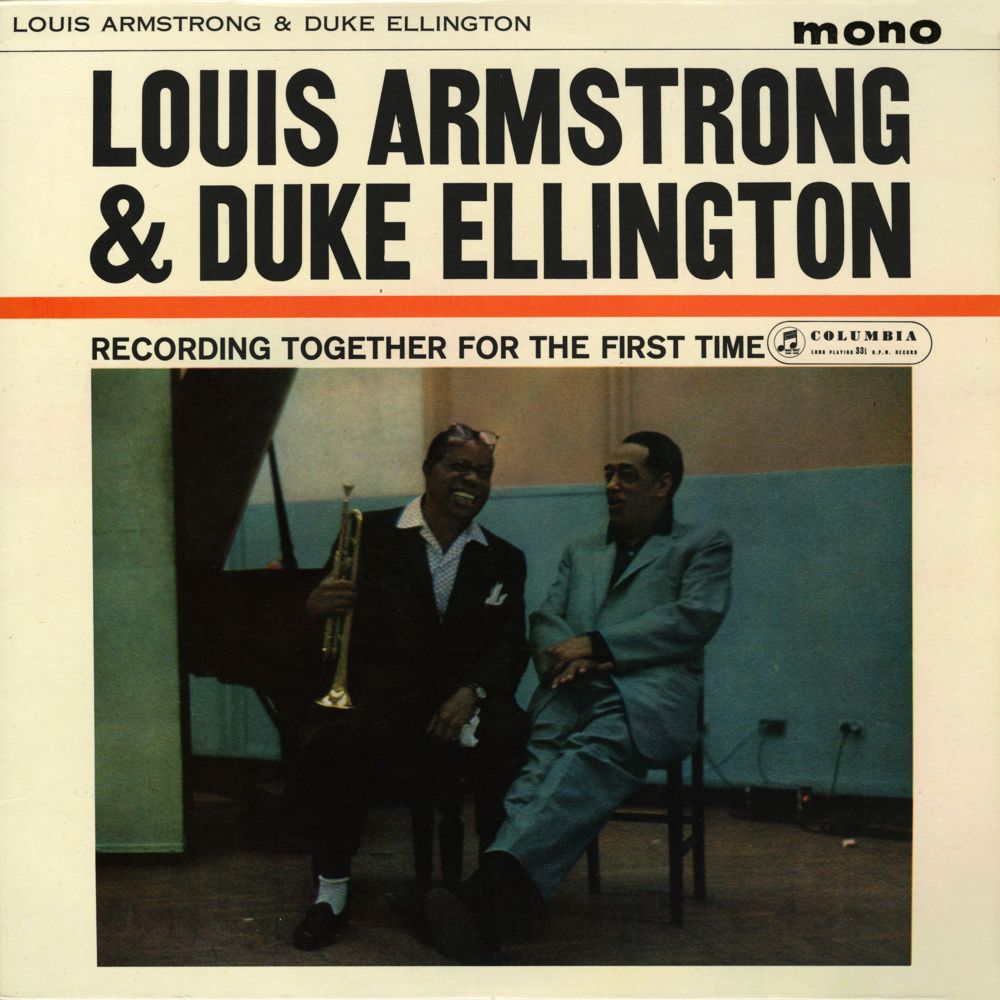
 1996Louis Armstrong meets Duke Ellington
 1979Unknown Session
 1962Money Jungle
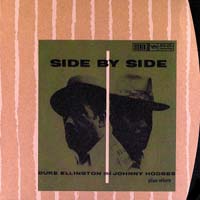 1959Side by Side