ALBUM NOTESInside Black, Brown, And Beige by Duke Ellington
Black, Brown, And Beige- Album Overview
Released in 1943, "Black, Brown, And Beige" is a significant work by legendary composer and bandleader Duke Ellington. The album features a suite that reflects the African American experience, encompassing themes of history, struggle, and triumph. Recorded for the RCA Victor label, this ambitious piece was initially performed at Carnegie Hall in January 1943, where it received a mixed reception but has since been recognized as a pivotal moment in jazz history. The suite is divided into three movements: "Black," "Brown," and "Beige," each representing different aspects of the African American narrative.
Ellington collaborated with prominent musicians in his orchestra, including the brilliant trumpeter Cootie Williams, the innovative bassist Jimmy Blanton, and the virtuosic saxophonist Johnny Hodges. These musicians brought their unique styles to the recording, enriching the overall texture of the music. The album's production was notable for its orchestration, blending jazz with classical influences, and it features intricate arrangements and improvisational freedom that characterize Ellington's work.
"Black, Brown, And Beige" stands as a cultural milestone in jazz, as it encapsulates the spirit of the Harlem Renaissance while also addressing the social issues of the time. The album is not merely a collection of songs but a narrative journey through the African American experience, making it a cornerstone of Ellington's legacy and the jazz genre as a whole.
Review
Duke Ellington's "Black, Brown, And Beige" is a compelling exploration of identity, culture, and history. The sound is rich and layered, showcasing Ellington's exceptional skill in orchestration. Each movement of the suite presents a different emotional landscape, from the somber reflections in "Black" to the celebratory tones of "Beige." The musicianship is top-notch; the interplay between the brass and woodwinds creates a dynamic tapestry that keeps listeners engaged.
While the album does not follow a conventional structure typical of popular music at the time, its artistic vision is clear—Ellington seeks to tell a story through sound, weaving together jazz and classical elements to highlight the complexity of the African American experience. The improvisation throughout the album allows for moments of spontaneity, making each listen a unique experience. However, some may find its abstract nature challenging, as it does not conform to the typical song format.
Highlights
- Innovative orchestration that blends jazz with classical elements.
- Powerful and emotive storytelling through music.
- Exceptional musicianship from a talented ensemble cast.
Weak points
- Abstract structure may alienate some listeners.
- Initial reception was mixed, which may hinder appreciation.
- Lengthy movements may require patience from the audience.
Overall evaluation
"Black, Brown, And Beige" is a monumental work that showcases Duke Ellington's genius and influence in jazz music. It serves as both a historical narrative and an artistic triumph, making it essential listening for anyone interested in the evolution of jazz.
Personal rating: 9/10

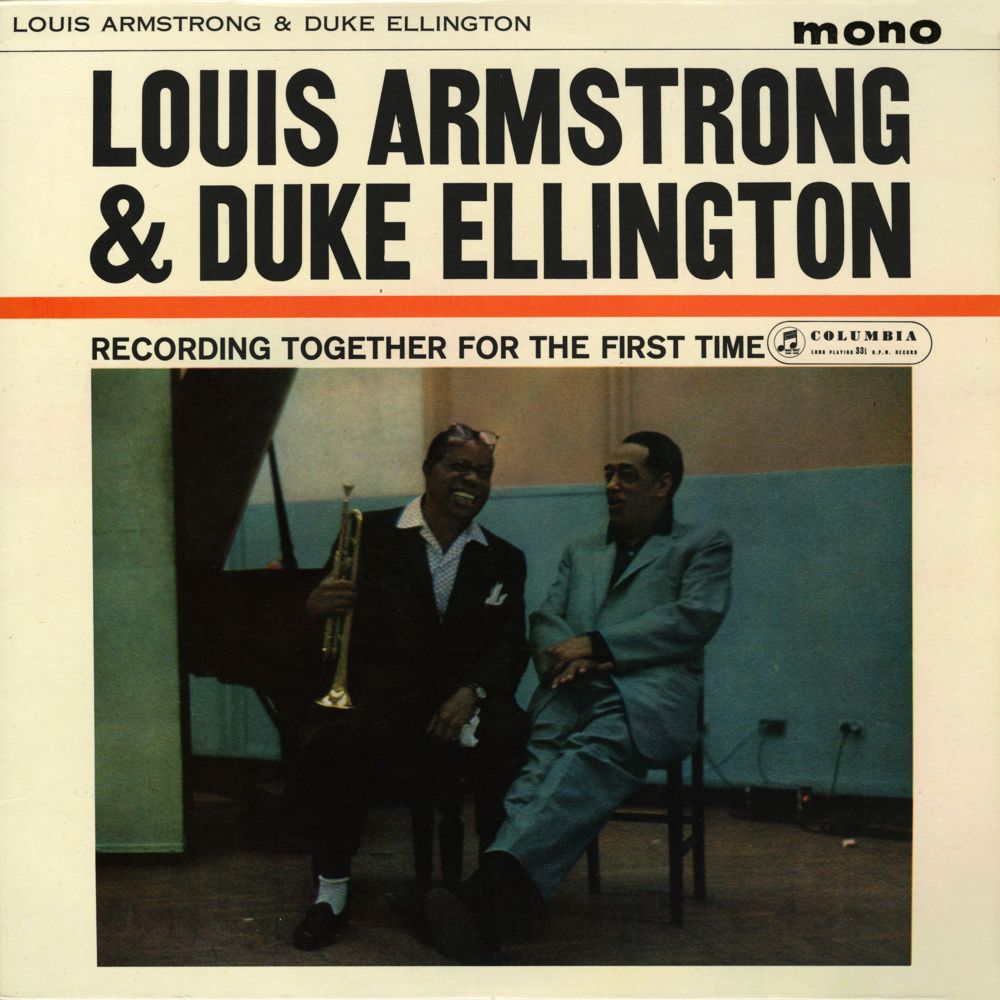
 1996Louis Armstrong meets Duke Ellington
 1979Unknown Session
 1962Money Jungle
 1959Side by Side