
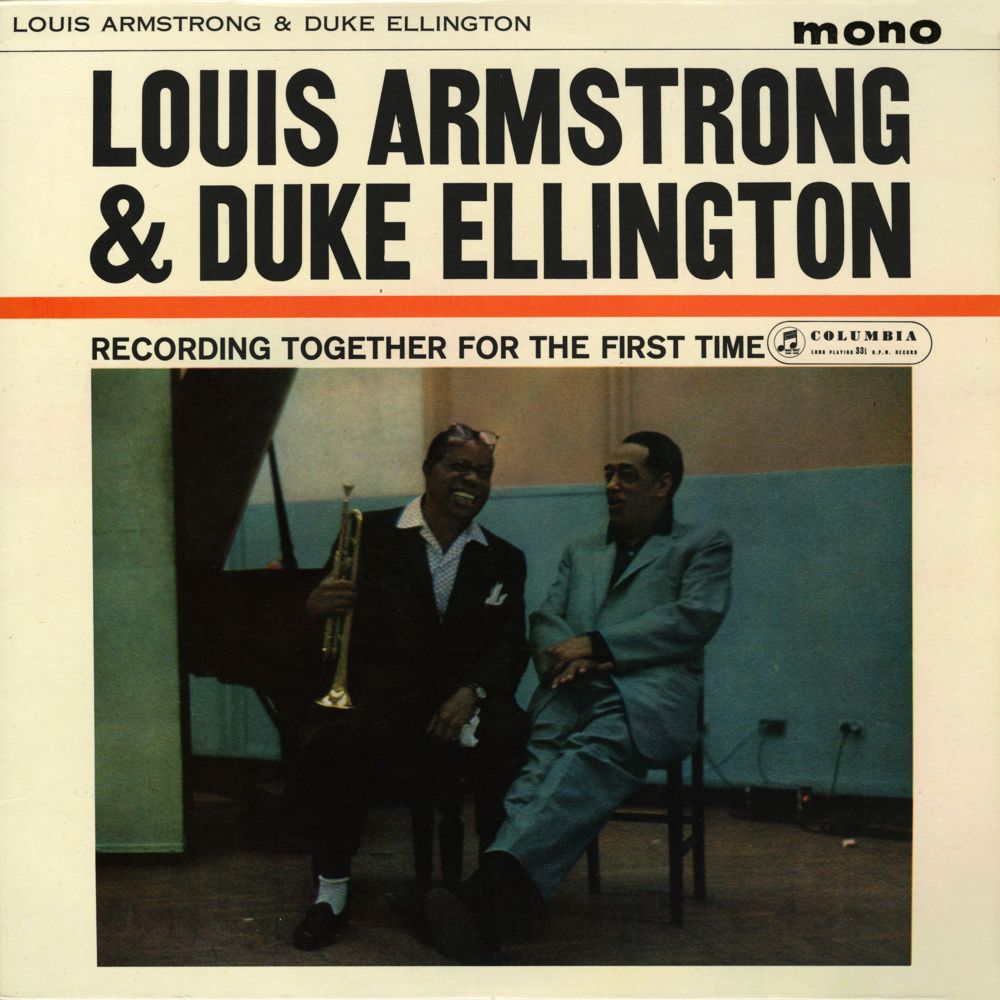
West Coast Swing: discovering Duke Ellington's artistry
West Coast Swing- Album Overview
Duke Ellington's "West Coast Swing" is a vibrant testament to the jazz icon's ability to adapt and innovate within the genre. Released in 1959 under the Reprise Records label, this album showcases Ellington's affinity for the West Coast jazz scene, blending traditional big band sounds with the emerging cool jazz style. The recording sessions took place in Los Angeles, where Ellington collaborated with a cadre of talented musicians, including notable figures like Johnny Hodges and Paul Gonsalves, who contributed their unique sounds to the project.
The album features a mix of original compositions and reinterpretations, with tracks such as "The Big Apple" and "The Jeep is Jumpin'" standing out for their rhythmic sophistication and melodic allure. "West Coast Swing" was a significant release during a time when jazz was evolving, and Ellington's work here reflects both the influences of the West Coast scene and his own established style. The album's production quality was high, a hallmark of Reprise Records, which was known for its commitment to artistic integrity. The album did not produce hit singles in the traditional sense but rather served as a cohesive piece of art that invited listeners to explore the nuances of Ellington's compositions and arrangements.
Musically, "West Coast Swing" is notable for its intricate arrangements and the seamless interplay between musicians, a signature characteristic of Ellington's work. The cultural significance of this album lies in its representation of a transitional period in jazz history, where the boundaries between different styles began to blur, and Ellington remained at the forefront of this evolution. This album not only solidified his reputation as a leading figure in jazz but also showcased his ability to embrace new sounds while maintaining his artistic vision.
Review
"West Coast Swing" is an enchanting journey through the mind of Duke Ellington, showcasing his unmatched talent for composition and arrangement. The album opens with "The Big Apple," a lively track that sets the tone for the entire project, featuring a laid-back groove that invites listeners to relax and enjoy the intricate musical conversations happening between the instruments. Ellington's orchestration is masterful, allowing each musician's voice to shine while maintaining a cohesive sound that is unmistakably his.
The album flows seamlessly from track to track, with each piece offering a different perspective on the West Coast jazz style. Ellington's arrangements are rich and varied, employing a palette of colors that evoke both the sun-soaked landscapes of California and the rhythmic pulse of urban life. The interplay between the saxophones, brass, and rhythm section is dynamic, showcasing Ellington's ability to blend different jazz influences while maintaining a distinct sound.
While the album may not have the same level of commercial appeal as some of Ellington's earlier works, its artistic vision is clear and bold. "West Coast Swing" is a celebration of creativity, spontaneity, and collaboration—qualities that are at the heart of jazz itself. This album is a reminder of Ellington's significant role in the evolution of jazz and his lasting impact on the genre.
Highlights
- Masterful orchestration and arrangement showcase Ellington's genius.
- Seamless flow between tracks creates a captivating listening experience.
- Rich interplay between musicians highlights the collaborative spirit of jazz.
Weak points
- May lack the commercial hits found in Ellington's earlier albums.
- Some listeners may find the West Coast style less engaging than traditional big band jazz.
- Limited promotion may have hindered its recognition at the time of release.
Overall evaluation
"West Coast Swing" is a brilliant exploration of Duke Ellington's artistry, capturing a unique moment in jazz history. It is a must-listen for fans of the genre and a testament to Ellington's enduring legacy.
Personal rating: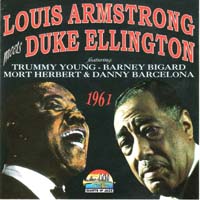 1996Louis Armstrong meets Duke Ellington
 1979Unknown Session
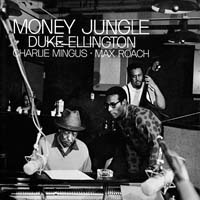 1962Money Jungle
 1959Side by Side