
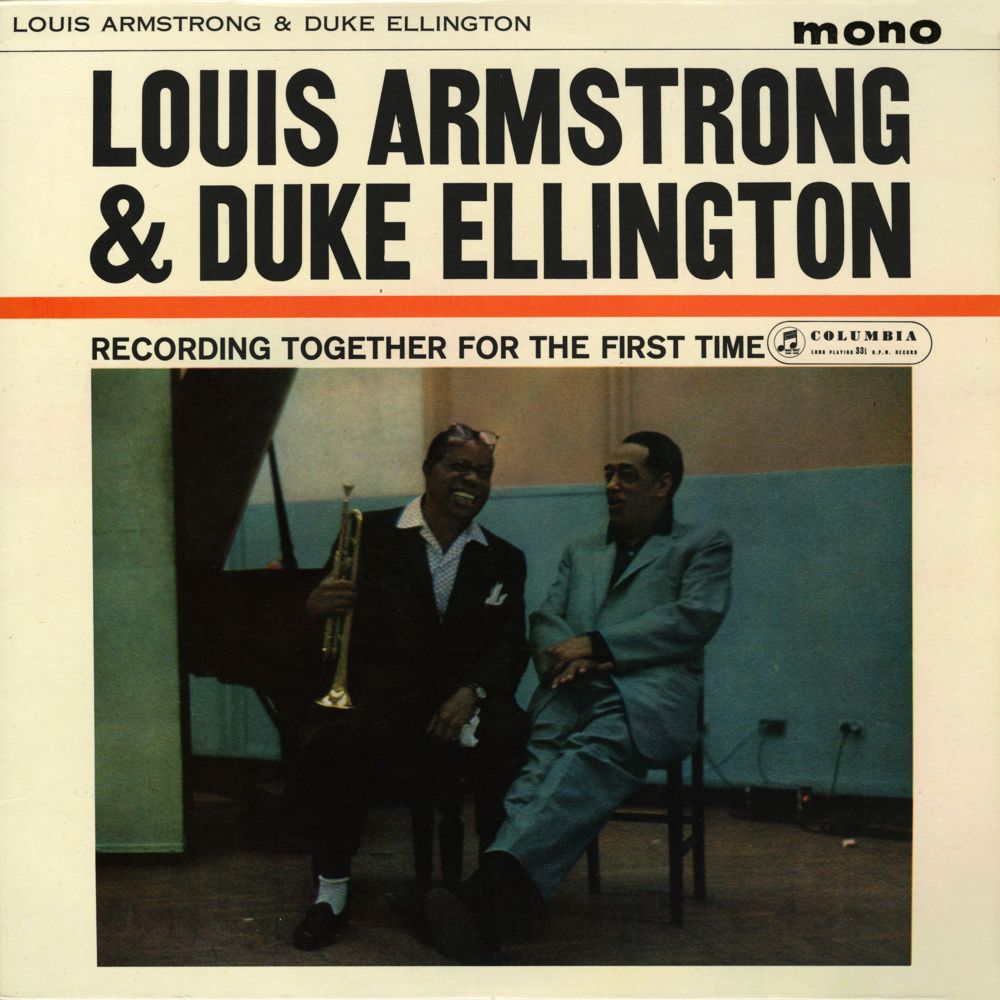
From intro to finale: what Take The A Train delivers
Take The A Train- Album Overview
The album "Take The A Train," recorded by the legendary Duke Ellington and his orchestra, was released in 1941. This iconic piece of music is often regarded as one of the quintessential jazz albums, showcasing not only Ellington's masterful composition skills but also the incredible talent of his band members. The album is released under the RCA Victor label and consists of a series of tracks that exemplify the big band sound of the era. Notably, the title track "Take The 'A' Train," composed by Billy Strayhorn, became one of Ellington's signature pieces and is synonymous with the jazz genre itself.
The recording sessions took place in New York City, where Ellington and his orchestra were at the height of their creative powers. Collaborators like Strayhorn played a vital role in shaping the sound of the album, contributing not only the lead track but also arrangements that defined the album's rich, textured sound. The ensemble features talented musicians such as Johnny Hodges, Cootie Williams, and Otto Hardwick, each adding their unique flair to the project.
Musically, "Take The A Train" captures the essence of the swing era, blending intricate melodies with rhythmic sophistication. The album has had a lasting cultural impact, influencing countless musicians and remaining a staple in jazz repertoire. Its significance extends beyond just music; the album and its tracks symbolize the vibrancy and creativity of the Harlem Renaissance and the broader African American cultural movement of the time.
Review
"Take The A Train" is a brilliant showcase of Duke Ellington's artistic vision, characterized by its seamless integration of various musical elements. The album begins with the lively and infectious title track, which sets the stage for a captivating listening experience. Each composition on the album reflects the sophistication of Ellington's arrangements, with rich harmonies and dynamic interplay between the musicians.
The album's sound is unmistakably jazz, marked by swinging rhythms and intricate solos that highlight the virtuosity of the band members. The arrangements are lush and full, yet they maintain a sense of clarity and balance that allows each instrument to shine. The emotional depth of the music is palpable, resonating with listeners on multiple levels, from the joyous exuberance of "Take The A Train" to the more contemplative pieces that follow.
While the album does not feature lyrics in the traditional sense, the melodies and instrumentals convey a wealth of emotion and storytelling. Ellington's ability to evoke feelings and imagery through sound is one of the hallmarks of his genius, making "Take The A Train" a timeless classic that continues to inspire new generations of musicians and listeners alike.
Highlights
- Iconic title track that has become a jazz standard.
- Masterful arrangements showcasing the talents of the orchestra.
- Rich historical and cultural significance within the jazz genre.
Weak points
- Some may find the album's length a bit short for a full jazz experience.
- Limited lyrical content may not appeal to all listeners.
- Production quality reflects the era and may feel dated to modern ears.
Overall evaluation
"Take The A Train" is a landmark album in the world of jazz that perfectly encapsulates Duke Ellington's brilliance as a composer and bandleader. Its timeless quality and cultural significance ensure its place in music history.
Personal rating: 9/10 1996Louis Armstrong meets Duke Ellington
 1979Unknown Session
 1962Money Jungle
 1959Side by Side