
Is New Mood Indigo Duke Ellington's best work yet?
New Mood Indigo- Album Overview
"New Mood Indigo" is an album by the legendary jazz composer and bandleader Duke Ellington, released in 1956 under the Columbia Records label. This album showcases Ellington's innovative style, blending elements of jazz with orchestral arrangements, and features a rich palette of emotions conveyed through his music. The album includes notable tracks such as the title track "Mood Indigo," a classic composition that has been covered by numerous artists over the decades, and "The A Train," which has become synonymous with the Duke Ellington sound.
The recording sessions for "New Mood Indigo" brought together some of Ellington's most talented collaborators, including clarinetist Jimmy Hamilton and trumpeter Cootie Williams, who contributed to the album's unique sound. The production of the album marked a significant point in Ellington's career, as it reflected his evolution as a composer while retaining the distinct characteristics of his earlier works.
Musically, "New Mood Indigo" is characterized by its lush arrangements and intricate harmonies, which are hallmarks of Ellington's compositional style. The album is celebrated not just for its technical brilliance but also for its cultural significance, as it represents a key moment in the history of jazz, showcasing the genre's ability to evoke deep emotional responses. The influence of this album extends beyond jazz, impacting various genres and inspiring countless musicians worldwide.
Review
The sound of "New Mood Indigo" is a testament to Duke Ellington's mastery of jazz composition. Each track flows seamlessly into the next, creating an atmosphere that is both soothing and invigorating. The arrangements are sophisticated, yet accessible, making the album a perfect entry point for newcomers to jazz while still offering depth for seasoned listeners. Ellington's use of orchestration stands out, with each instrument given its moment to shine, contributing to a harmonious whole.
While the album does not include lyrics, the emotional weight carried by the instrumental performances conveys narratives that resonate with listeners. Ellington's artistic vision shines through in his ability to translate complex emotions into sound, allowing audiences to experience joy, melancholy, and everything in between without a single word being sung. The balance of improvisation and structured arrangements showcases his genius and solidifies his status as a pioneering figure in jazz.
Highlights
- Exceptional orchestration that highlights Ellington's compositional brilliance.
- The emotional depth of tracks like "Mood Indigo" creates a lasting impact.
- Seamless transitions between tracks maintain a cohesive listening experience.
Weak points
- Some listeners may find the lack of vocal tracks limiting.
- The album's slower tempos might not appeal to those preferring upbeat jazz.
- Limited exposure of the album compared to Ellington's more popular works may overshadow its significance.
Overall evaluation
"New Mood Indigo" stands as a monumental work in Duke Ellington's discography, encapsulating his artistic vision and contributions to jazz. While it may not be as widely known as some of his other masterpieces, its intricate arrangements and emotional depth affirm its place in the jazz canon.
Personal rating: 9/10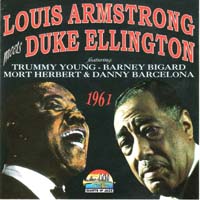 1996Louis Armstrong meets Duke Ellington
 1979Unknown Session
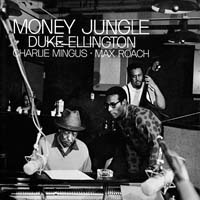 1962Money Jungle
 1959Side by Side