
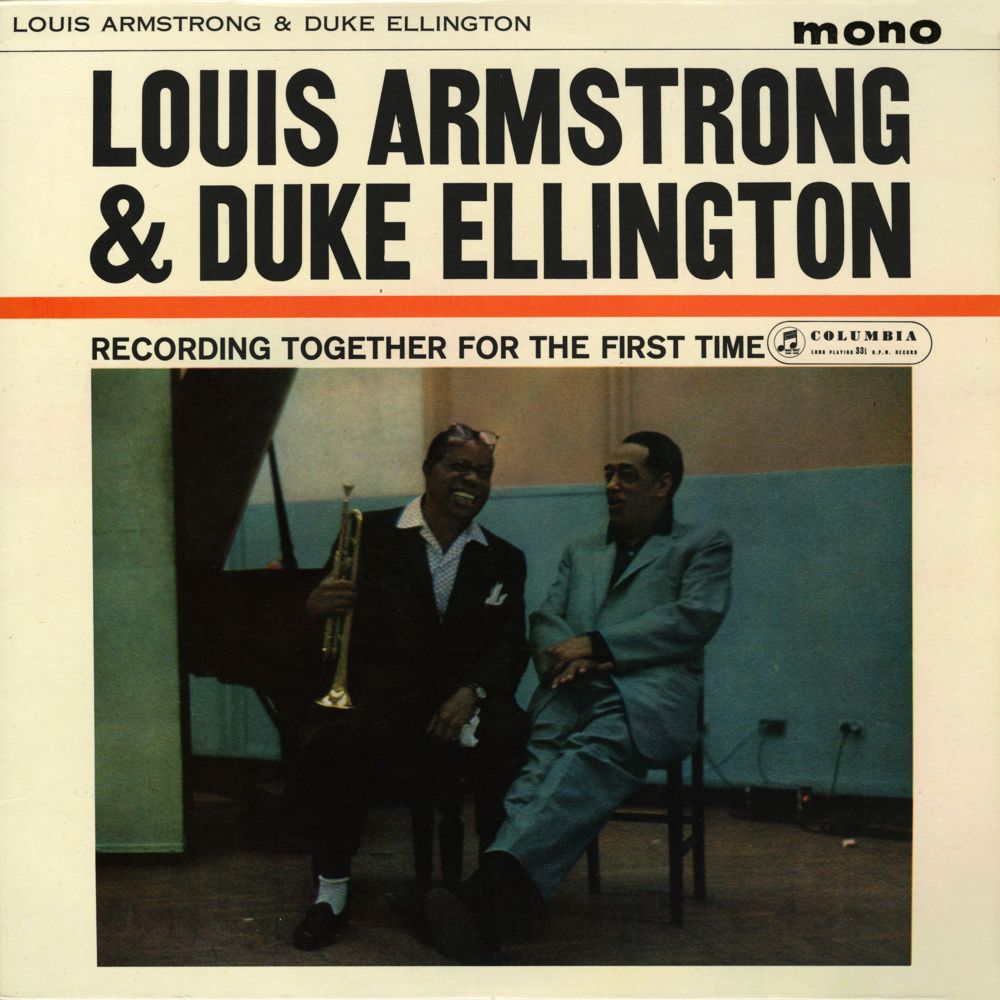
Check the vibes: Duke Ellington – Echoes Of Harlem
Echoes Of Harlem- Album Overview
"Echoes of Harlem" is a pivotal album by the legendary jazz composer and bandleader Duke Ellington, released in 1950 under the Columbia Records label. This album is notable for its rich orchestration and the innovative arrangements that have become synonymous with Ellington's style. The recording sessions took place during a period when Ellington was transitioning from the big band era into a more modern jazz expression, showcasing his ability to adapt while still preserving the essence of his musical roots.
The album features a mix of original compositions and adaptations, with tracks like "Echoes of Harlem," which pays homage to the vibrant cultural scene of Harlem during the Harlem Renaissance. Collaborators on the album include prominent musicians from Ellington's orchestra, such as Johnny Hodges on alto saxophone and Cootie Williams on trumpet, both of whom contribute to the album's lush soundscape. "Echoes of Harlem" is significant not only for its musical content but also for its cultural context, reflecting the African American experience and the artistic innovations that emerged from the Harlem community.
This album is an essential representation of the post-war jazz scene, where Ellington's compositions began to incorporate more complex harmonies and rhythms, pushing the boundaries of jazz. The singles from "Echoes of Harlem" received critical acclaim, contributing to Ellington's legacy as one of the most influential figures in jazz history. Its release helped solidify Ellington's status not just as a bandleader but as a composer of concert music, bridging the gap between jazz and classical traditions.
Review
"Echoes of Harlem" is a testament to Duke Ellington's genius as a composer and arranger. The album's sound is characterized by its intricate interplay between the sections of the orchestra, creating a rich tapestry of sound that invites listeners to immerse themselves in its layers. Ellington's ability to blend complex harmonies with accessible melodies is on full display, allowing both jazz aficionados and casual listeners to appreciate the artistry at play. The emotional depth of tracks like "Echoes of Harlem" resonates with the cultural significance of the Harlem Renaissance, making the music not just enjoyable but also a reflection of a pivotal moment in American history.
While the album leans heavily on instrumental arrangements, the absence of vocals does not detract from its impact. Instead, it allows the listener to focus on the musicianship and the conversation between instruments, showcasing the virtuosity of Ellington's ensemble. The artistic vision behind "Echoes of Harlem" captures the essence of a vibrant community while also pushing the boundaries of jazz into new territories.
Highlights
- Rich orchestration and intricate arrangements showcase Ellington's compositional genius.
- Collaborations with top musicians of the era enhance the album's depth and vibrancy.
- Cultural significance tied to the Harlem Renaissance brings an added layer of meaning to the music.
Weak points
- Lack of vocal tracks may not appeal to listeners who prefer song lyrics.
- The album's complexity might overwhelm casual jazz listeners.
- Some tracks may feel less dynamic compared to Ellington's more famous recordings.
Overall evaluation
"Echoes of Harlem" stands as a significant work in Duke Ellington's discography, blending artistic innovation with cultural resonance. It is an essential listen for anyone interested in the evolution of jazz and the richness of African American music. The album encapsulates a moment in time while remaining timeless in its appeal.
Personal rating: 8.5/10 1996Louis Armstrong meets Duke Ellington
 1979Unknown Session
 1962Money Jungle
 1959Side by Side