
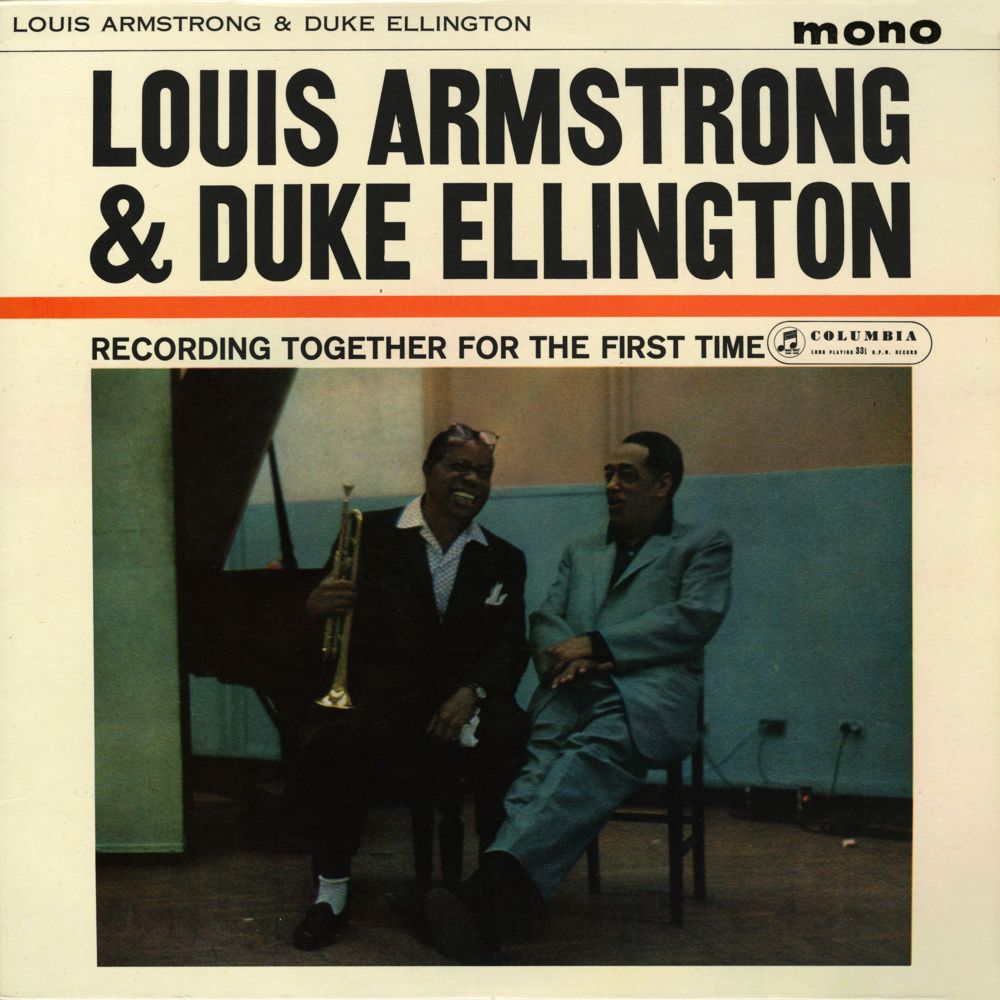
Duke Ellington – Love You Madly: track-by-track perspective
Love You Madly- Album Overview
"Love You Madly," released in 1966, stands as a testament to Duke Ellington's indelible mark on jazz and American music. This album was produced under the Reprise Records label, reflecting Ellington's transition into the later years of his illustrious career. The recording sessions took place in the vibrant atmosphere of the 1960s, a time when jazz was evolving and integrating with various musical styles, including pop and experimental sounds. Ellington, a masterful composer and bandleader, collaborated with renowned musicians, including Johnny Hodges, Cootie Williams, and Paul Gonsalves, to create a rich tapestry of sound that showcases his unique orchestration skills and the vibrant interplay between his musicians.
The album features classic tracks like "I Got It Bad (And That Ain't Good)" and "Love You Madly," along with a number of instrumental pieces that highlight Ellington's sophisticated approach to composition. The single "Love You Madly" became a notable success, further cementing Ellington's relevance during the era. The album is not only a celebration of love but also a reflection of the cultural and social dynamics of the time, as jazz continued to gain recognition as a serious art form. Ellington's ability to blend complex harmonies with accessible melodies speaks to his genius as a composer who transcended genres and generations.
Review
The sound of "Love You Madly" is rich and lush, filled with Ellington's signature arrangements that allow each musician to shine while contributing to the overall harmony. The album balances vocal and instrumental tracks seamlessly, with Ellington's piano playing providing a warm, inviting foundation. The lyrical content, especially in tracks like "I Got It Bad," expresses deep emotions and the nuances of love, showcasing the jazz standard's ability to convey complex feelings in a relatable manner.
Ellington's artistic vision comes through in every note, as he masterfully blends elements of swing, blues, and classical music. The improvisational brilliance of his band members adds spontaneity to the recordings, making each listening experience unique. However, some listeners may find the album's pacing uneven, as it oscillates between more energetic tracks and slower ballads, challenging traditional expectations of album flow.
Highlights
- The intricate arrangements that highlight Ellington's compositional genius.
- The chemistry between the musicians, showcasing improvisational brilliance.
- The emotional depth of the lyrical content, particularly in vocal tracks.
Weak points
- The pacing may feel uneven due to the alternation between upbeat and slow tracks.
- Some instrumental pieces might not resonate as strongly with casual listeners.
- The production quality, while good, may not match the clarity of contemporary recordings.
Overall evaluation
"Love You Madly" encapsulates Duke Ellington's mastery of jazz and his ability to evoke deep emotions through music. While it may present some challenges in pacing and production, the album remains a significant contribution to the jazz canon, reflecting the depth of Ellington's artistry and the vibrant era in which it was created.
Personal rating: 8/10 1996Louis Armstrong meets Duke Ellington
 1979Unknown Session
 1962Money Jungle
 1959Side by Side