ALBUM NOTESThe evolution of Duke Ellington-Braggin' in Brass: The Immortal 1938 Year in Braggin' in Brass: The Immortal 1938 Year
Album overview
Duke Ellington's "Braggin' in Brass: The Immortal 1938 Year" is a pivotal jazz album that captures the vibrant essence of the big band era. Released in 1938, this album showcases Ellington's innovative arrangements and the exceptional talent of his orchestra, which included standout musicians such as Johnny Hodges, Cootie Williams, and Lawrence Brown. Recorded during a time when jazz was gaining widespread popularity in America, the album reflects the cultural significance of the genre in shaping the musical landscape of the time.
The album features a collection of tracks that highlight Ellington's signature style, blending intricate melodies with rich harmonies. Notable tracks include "I Got It Bad (And That Ain't Good)" and "Conga Brava," which exemplify his ability to infuse emotion and storytelling into his compositions. Released under the RCA Victor label, "Braggin' in Brass" was part of a series of recordings that solidified Ellington's status as a leading figure in jazz. The album not only showcases his artistic vision but also serves as a historical document of the evolving sound of jazz during the late 1930s.
Ellington's collaboration with prominent musicians during this period allowed for a dynamic interplay of styles and sounds, making this album a significant contribution to the jazz canon. The combination of Ellington's sophisticated orchestration and the individual talents of his band members created a sound that was both innovative and timeless. As an essential part of Ellington's discography, "Braggin' in Brass" remains a crucial reference point for understanding the development of jazz and its cultural impact.
Review
"Braggin' in Brass: The Immortal 1938 Year" is a testament to Duke Ellington's genius in crafting a distinctive sound that resonates with both complexity and accessibility. The album's arrangements demonstrate a masterful blend of brass, woodwinds, and rhythm, capturing the energy of the era while pushing the boundaries of jazz. Tracks like "Conga Brava" offer a rhythmic intensity that showcases the band's improvisational skills, while "I Got It Bad" highlights a more introspective side, allowing the listener to feel the depth of emotion in the music.
Ellington's artistic vision is evident throughout the album, as he expertly weaves together various musical influences, from blues to classical, creating a rich tapestry that feels both cohesive and diverse. The interplay between band members is particularly striking, with each musician contributing their unique voice to the ensemble. The album not only entertains but also challenges listeners to appreciate the artistry behind each composition. Overall, "Braggin' in Brass" is a landmark work that exemplifies Ellington's ability to elevate jazz to new heights.
Highlights
- Innovative arrangements that showcase Ellington's orchestral mastery.
- Exceptional performances by talented band members, enhancing the overall sound.
- Tracks that blend emotional depth with rhythmic complexity, appealing to a wide audience.
Weak points
- Some may find the intricate arrangements challenging to appreciate on first listen.
- Lack of prominent vocal tracks may not appeal to all jazz fans.
- Production quality reflective of the era, which may seem dated compared to modern recordings.
Overall evaluation
"Braggin' in Brass: The Immortal 1938 Year" is a quintessential jazz album that showcases Duke Ellington's brilliance and the cultural significance of his work. Its intricate arrangements and exceptional musicianship make it a must-listen for fans of the genre.
Personal rating: 9/10
```

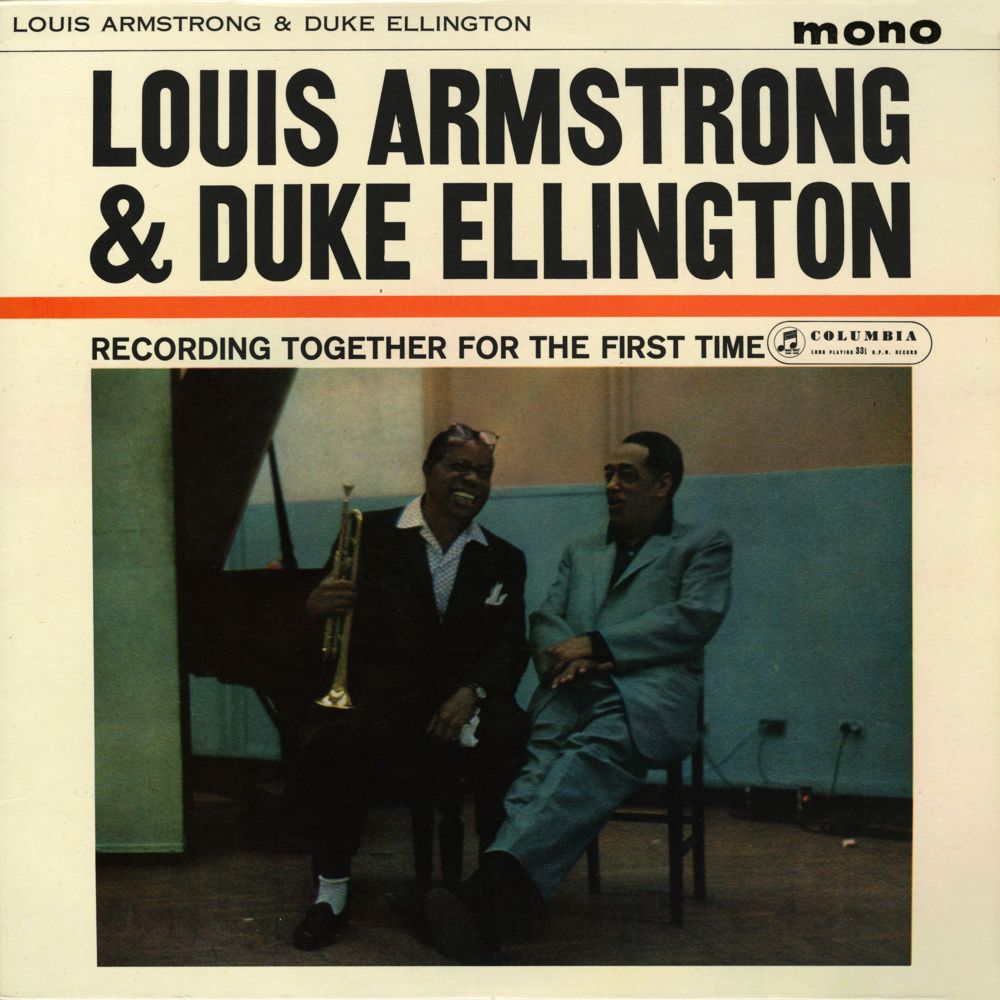
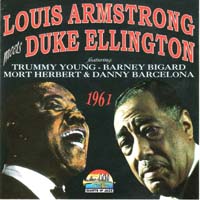 1996Louis Armstrong meets Duke Ellington
 1979Unknown Session
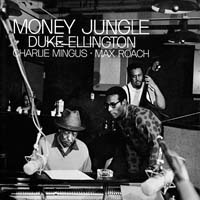 1962Money Jungle
 1959Side by Side