
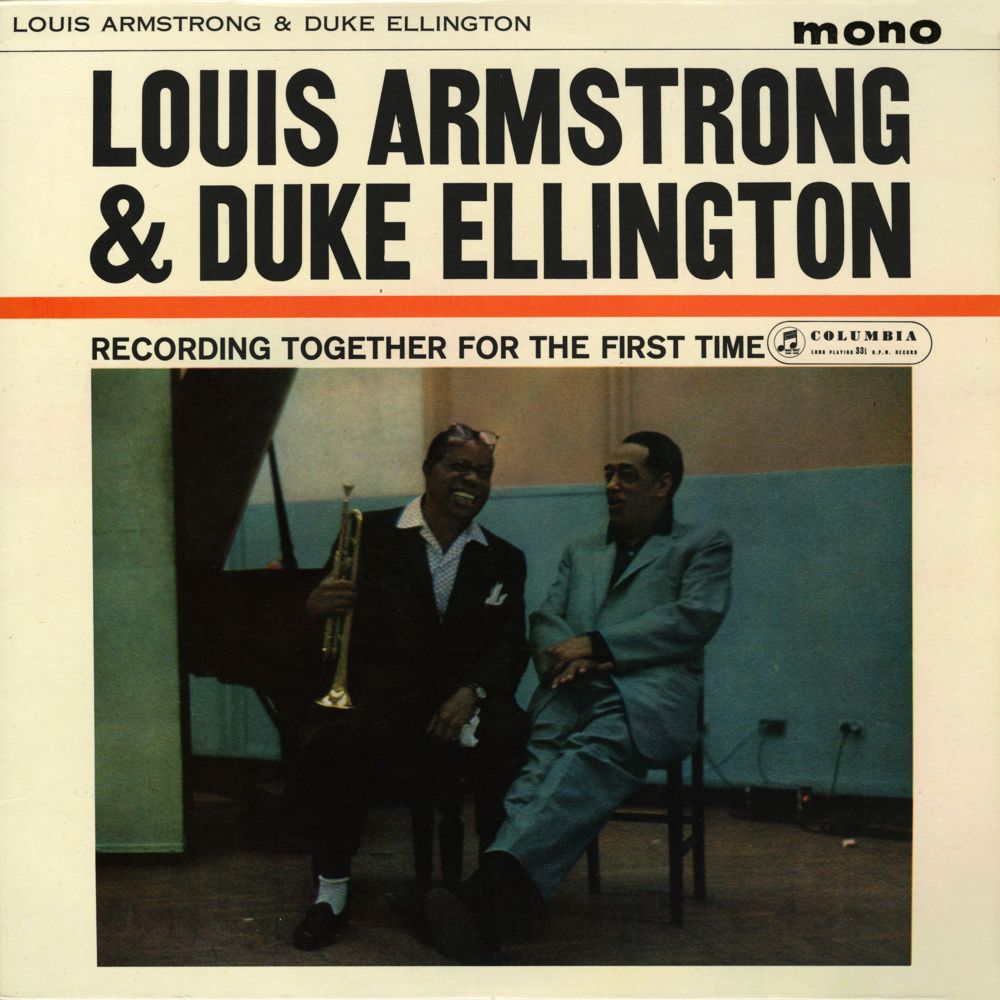
Duke Ellington returns with Four Symphonic Works By Duke Ellington
Four Symphonic Works By Duke Ellington- Album Overview
Released in 1963, "Four Symphonic Works By Duke Ellington" is a significant album in the illustrious career of one of jazz's most influential figures. This album stands out as a bold exploration of symphonic jazz, a genre that Ellington helped to pioneer. Released under the RCA Victor label, it showcases Ellington's mastery in blending orchestral arrangements with jazz sensibilities. The album features four major compositions: "Harlem," "The River," "The Perfume Suite," and "Queen's Suite." Each work reflects Ellington's innovative approach to composition, utilizing a large orchestra to create lush soundscapes that evoke a range of emotions and narratives.
The recording sessions brought together an impressive array of musicians, many of whom were part of Ellington's legendary big band. Collaborators included notable names such as Billy Strayhorn, who co-composed several pieces and was key to Ellington's distinctive sound. The album was produced at a time when Ellington was seeking to elevate jazz to a respected art form, and the works were initially written for concert performance, showcasing his ambition to reach wider audiences beyond jazz clubs.
Though there were no mainstream singles released from this album, its tracks have been celebrated in concert settings and remain staples in the repertoire of jazz orchestras. The cultural significance of this album lies in its demonstration of Ellington's ability to transcend traditional jazz boundaries, integrating elements of classical music and creating a new language for jazz. "Four Symphonic Works" is not just an album; it's an artistic statement that positions Ellington as a formidable figure in both jazz and classical music.
Review
"Four Symphonic Works By Duke Ellington" is a testament to Ellington's genius as a composer and arranger. The album begins with "Harlem," a vibrant piece that encapsulates the pulse of the city, blending rhythmic complexity with lyrical melodies. Each track unfolds like a story, revealing Ellington's skill in painting vivid imagery through sound. The orchestration is lush and varied, showcasing the brass and woodwinds in a dynamic interplay that keeps the listener engaged. While some purists may find the heavy orchestral arrangements a departure from Ellington's earlier, more intimate jazz works, it’s precisely this ambition that makes the album compelling.
Ellington's artistic vision shines through in the emotive qualities of the music. The "Perfume Suite," for instance, explores themes of love and beauty, while "Queen's Suite" pays homage to various women in Ellington's life, each movement reflecting their unique characteristics. The overall production quality is exceptional, with a clarity that allows each instrument to resonate. While the album may not have the same immediacy as a live performance, it provides a lush listening experience that invites repeated exploration.
Highlights
- Innovative blend of orchestral and jazz elements.
- Rich, evocative compositions that tell stories.
- Exceptional production quality and musicianship.
Weak points
- Some may find the orchestral arrangements overwhelming compared to traditional jazz.
- Lack of mainstream singles may limit accessibility for casual listeners.
- The length of some pieces may challenge listeners unfamiliar with symphonic works.
Overall evaluation
"Four Symphonic Works By Duke Ellington" is a bold and ambitious project that showcases the breadth of Ellington's artistry. While it may diverge from his classic jazz roots, it remains a crucial part of his legacy and an important contribution to the genre of symphonic jazz.
Personal rating: 9/10 1996Louis Armstrong meets Duke Ellington
 1979Unknown Session
 1962Money Jungle
 1959Side by Side