
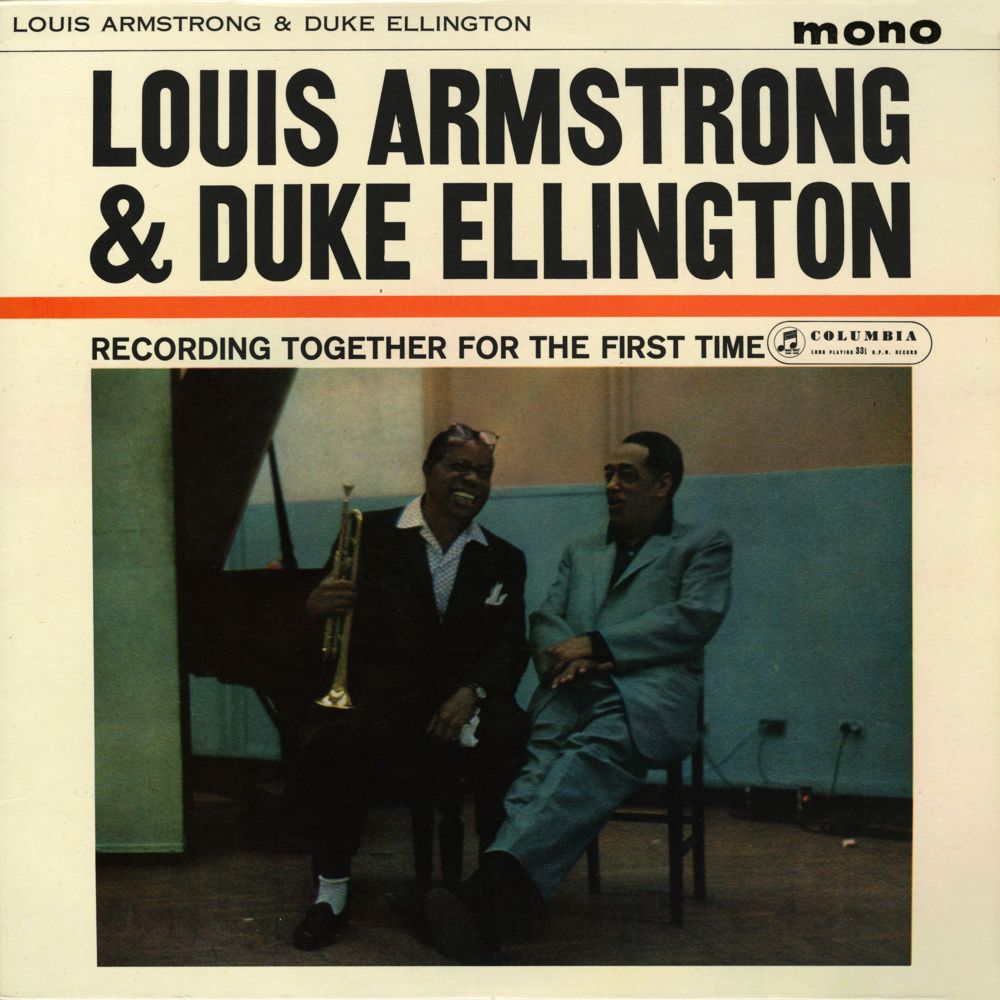
Duke Ellington – Collages: track-by-track perspective
Collages- Album Overview
Duke Ellington's "Collages," released in 1970, is a remarkable exploration of jazz that showcases the legendary composer's innovative spirit and adaptability. This album was released under the prestigious label, RCA Victor, and features a unique blend of jazz orchestration with elements of classical music. “Collages” was recorded during a period when Ellington was deeply engaged in experimenting with different musical forms, reflecting the broader cultural shifts of the late 1960s and early 1970s.
The album features a variety of skilled musicians, including notable collaborators such as the legendary saxophonist Johnny Hodges and the vibrant trumpeter Cootie Williams. These musicians brought their unique styles and interpretations to Ellington’s compositions, enriching the overall sound. The recording sessions took place in New York City, a hub for jazz innovation, allowing for a creative atmosphere that contributed to the album's distinctive character.
“Collages” consists of several tracks that highlight Ellington's mastery of blending genres. Notably, the album includes pieces like “The Prelude to a Kiss” and “The Opener,” which showcase his ability to weave complex harmonies and rhythms. While no singles gained mainstream commercial success, the album remains an important work within Ellington's discography, illustrating his continued evolution as an artist. The album's title reflects Ellington's approach to music as a collage, wherein he integrates various styles and influences, making it a significant contribution to the jazz genre and an embodiment of the experimental spirit of the time.
Review
"Collages" stands out as a testament to Duke Ellington's ceaseless creativity and his ability to adapt to the changing musical landscape. The album’s sound is characterized by rich orchestral arrangements, intricate melodies, and a playful yet sophisticated interplay among musicians. The tracks flow seamlessly into one another, creating a cohesive experience that invites listeners to dive deep into Ellington's musical world. His artistic vision is palpable, as he deftly navigates through different moods and styles, from the lyrical beauty of ballads to the exuberance of up-tempo numbers. The album is less about a singular narrative and more about the exploration of various textures and colors in music. This makes "Collages" an engaging listen, albeit one that may require multiple spins to fully appreciate its depth and complexity.
Highlights
- Innovative blending of jazz and classical elements.
- Exceptional performances by a stellar lineup of musicians.
- Rich orchestration that showcases Ellington's compositional genius.
Weak points
- Some tracks may feel disjointed for those unfamiliar with avant-garde jazz.
- Lack of mainstream singles might limit broader appeal.
- The album's experimental nature may not resonate with all listeners.
Overall evaluation
In conclusion, Duke Ellington's "Collages" is a captivating album that exemplifies his artistry and willingness to explore new musical territories. While it might challenge conventional listeners, those who delve into its intricacies will find a rewarding experience. This album solidifies Ellington's legacy as a pioneering figure in the world of jazz.
Personal rating: 8/10 1996Louis Armstrong meets Duke Ellington
 1979Unknown Session
 1962Money Jungle
 1959Side by Side