
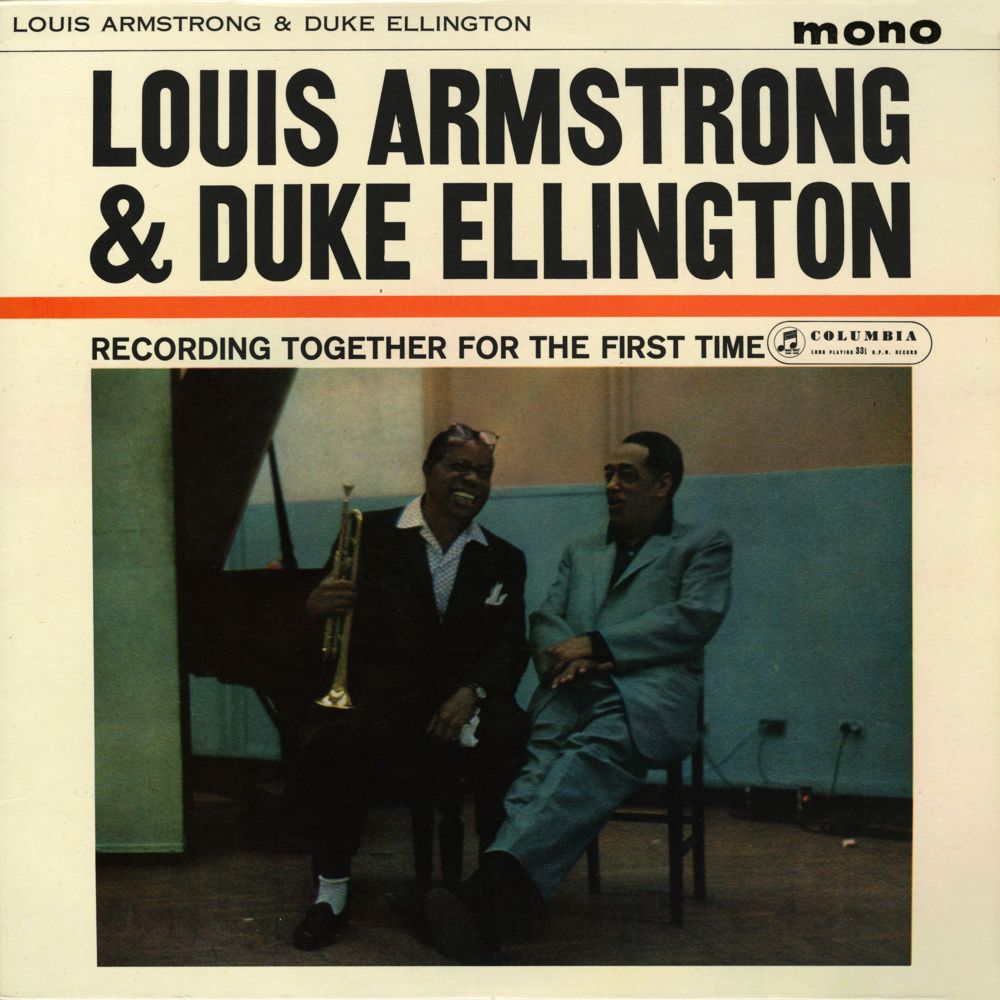
Review of Duke Ellington – The Great Reunion
The Great Reunion- Album Overview
"The Great Reunion," released in 1978, is a landmark album in the jazz genre, showcasing the extraordinary talents of composer, pianist, and bandleader Duke Ellington. This album was produced by the prestigious label, RCA Records, and it stands as a significant collaboration between Ellington and his long-time musical associates, including the legendary saxophonist Johnny Hodges and trumpeter Cootie Williams. The recording took place at a time when Ellington was revisiting his roots, reflecting on his prolific career while also looking forward to the future of jazz. This album is particularly notable for featuring some of Ellington's classic compositions alongside new arrangements and interpretations, offering a bridge between the past and the present. The tracklist includes timeless pieces like "Take the 'A' Train" and "Mood Indigo," reimagined with fresh vigor. The album also features a range of talented musicians that Ellington gathered for this project, emphasizing the collaborative spirit that characterized much of his work. The cultural significance of "The Great Reunion" cannot be overstated, as it encapsulates Ellington's enduring influence on jazz and his ability to adapt to changing musical landscapes. The album serves as both a celebration of his legacy and a showcase of the vibrant creativity inherent in the jazz tradition.
Review
The sound of "The Great Reunion" is both rich and dynamic, characteristic of Ellington's signature big band style. The arrangements are masterful, blending intricate harmonies with rhythmic complexity that keeps listeners engaged throughout. Each track offers a unique flavor, from the upbeat tempos of "Take the 'A' Train" to the more somber and reflective tones of "Mood Indigo." Ellington's artistic vision shines through as he masterfully balances nostalgia with innovation, seamlessly interweaving elements of his earlier works with fresh interpretations that resonate with contemporary audiences. The musicianship on display is nothing short of exceptional; the synergy between the ensemble members amplifies the emotional depth of each piece. The album's production quality is top-notch, allowing the nuances of each instrument to be heard clearly. However, it is also the emotional weight of the music that elevates this album—Ellington's compositions are imbued with a sense of history, paying homage to the struggles and triumphs of the African American experience. Overall, "The Great Reunion" is a testament to Ellington's genius and his ability to create music that transcends time.
Highlights
- Exceptional musicianship and collaboration among jazz legends.
- Masterful arrangements that blend classic and contemporary elements.
- Strong emotional resonance and cultural significance.
Weak points
- Some listeners may find the production style a bit dated compared to modern jazz.
- The album may not appeal as much to those unfamiliar with Ellington's earlier works.
- Occasional moments of uneven pacing between tracks.
Overall evaluation
"The Great Reunion" is a powerful statement in the jazz canon, showcasing Duke Ellington's remarkable talent and the enduring legacy of his music. This album is a must-listen for any jazz aficionado or anyone looking to understand the evolution of the genre. It stands as a fitting tribute to a legendary figure while also affirming the relevance of jazz in contemporary music.
Personal rating: 9/10 1996Louis Armstrong meets Duke Ellington
 1979Unknown Session
 1962Money Jungle
 1959Side by Side