
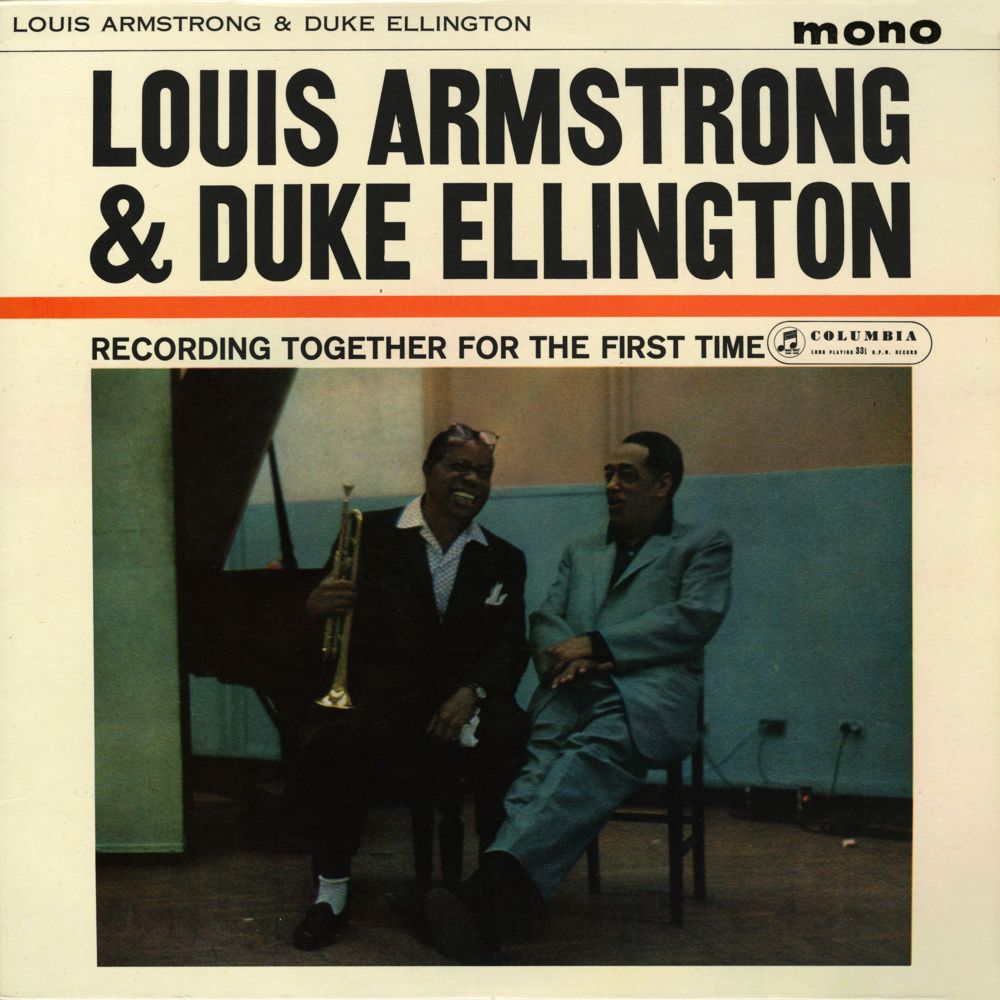
Album spotlight: Duke Ellington – The Feeling Of Jazz
The Feeling Of Jazz- Album Overview
"The Feeling of Jazz" is a remarkable album by the legendary jazz composer and bandleader Duke Ellington, released in 1956 under the RCA Victor label. This album showcases Ellington's innovative approach to jazz, highlighting his ability to blend various musical styles while remaining true to the essence of jazz. The recording features a number of prominent collaborators, including renowned musicians such as Johnny Hodges on alto saxophone, Cootie Williams on trumpet, and Paul Gonsalves on tenor saxophone, among others. The album comprises eight tracks, each offering a unique exploration of jazz themes and improvisation.
Notably, "The Feeling of Jazz" includes original compositions by Ellington, such as "I Got It Bad (And That Ain't Good)" and "Mood Indigo," which are reinterpreted with fresh arrangements that reflect his artistic evolution. The production emphasizes Ellington's signature big band sound, characterized by rich harmonies and intricate orchestration. Recorded in the mid-1950s, a period marked by significant changes in the jazz landscape, Duke Ellington's work during this time remains culturally significant as he pushed the boundaries of jazz music.
In terms of commercial reception, the album didn't produce any major singles but received critical acclaim for its artistic merit and remains a favorite among jazz enthusiasts. The album reflects Ellington's mastery of creating mood and atmosphere through music, making it an essential listen for anyone interested in the development of jazz as an art form.
Review
The sound of "The Feeling of Jazz" is a testament to Ellington's genius, combining lush orchestral arrangements with spontaneous improvisation. Each track unfolds with a sense of narrative, showcasing not only the technical prowess of the musicians but also their deep emotional connection to the music. Ellington's compositions are rich with sophisticated harmonies and rhythmical complexities that invite listeners to immerse themselves in the experience. Unlike many of his contemporaries, Ellington's focus on collaboration creates a unique dialogue within the ensemble, allowing each musician's voice to shine. The album's artistic vision is both introspective and celebratory, capturing the essence of jazz as a living, breathing art form.
Highlights
- Rich orchestration that showcases Ellington's mastery of big band arrangements.
- Strong performances from legendary collaborators, enhancing the overall sound.
- Timeless compositions that remain relevant and influential in the jazz genre.
Weak points
- Lacks commercially successful singles that could have broadened its appeal.
- The complexity of arrangements may be challenging for casual listeners.
- Some tracks may feel less dynamic compared to more upbeat jazz standards.
Overall evaluation
"The Feeling of Jazz" stands as a significant contribution to Duke Ellington's discography, showcasing his continual evolution as a composer and bandleader. While it may not have achieved mainstream commercial success, its artistic integrity and innovative spirit solidify its place in jazz history.
Personal rating: 8/10 1996Louis Armstrong meets Duke Ellington
 1979Unknown Session
 1962Money Jungle
 1959Side by Side