ALBUM NOTESIs Serenade To Sweden Duke Ellington's best work yet?
Serenade To Sweden- Album Overview
Serenade to Sweden is a notable album by the legendary jazz composer and bandleader Duke Ellington, released in 1961 under the Reprise Records label. This album represents a unique fusion of jazz with Scandinavian musical influences, showcasing Ellington’s versatility and innovative spirit. The recording sessions took place in New York City, featuring a distinguished ensemble of musicians, including the talented saxophonist Johnny Hodges and the dynamic trumpeter Cootie Williams, both of whom played pivotal roles in the band's sound.
The album is composed of six tracks, with each song reflecting a blend of Ellington's characteristic orchestration and the melodic sensibilities of Swedish music. Notable tracks include "Serenade to Sweden," which serves as the album's title track, characterized by its lush arrangements and evocative themes. The album also features pieces like "The Swedish Rhapsody," which highlight Ellington's ability to transcend traditional jazz boundaries while paying homage to international influences.
Musically, the album is significant for its exploration of cultural exchange through jazz, a genre deeply rooted in African American experiences yet capable of embracing global influences. This recording not only showcases Ellington’s artistic genius but also contributes to the broader narrative of jazz as a universal language, melding different cultural sounds and traditions. Its release during a time of cultural upheaval in the United States further underscores its importance, as it represents a bridge between diverse artistic expressions.
Review
Duke Ellington's Serenade to Sweden is an exquisite tapestry woven with intricate melodies and rich harmonies. The album stands out for its seamless integration of jazz with Swedish folk elements, creating a sound that feels both fresh and familiar. Ellington's orchestration shines throughout, showcasing not only his remarkable skill as a composer but also his ability to draw out the best from his band members.
The arrangements are lush and atmospheric, with a sense of space that allows each musician to shine. Johnny Hodges’ saxophone work, in particular, brings a lyrical quality that complements the album's themes beautifully. The lyrics, though sparse in instrumental jazz, evoke a profound sense of place and emotion, capturing the essence of Sweden while remaining rooted in the jazz tradition.
Ellington's artistic vision is evident as he navigates the nuances of both styles, creating a dialogue between jazz improvisation and the structured melodies of Swedish music. The album is not merely a tribute but rather a celebration of cultural diversity, making it a significant entry in Ellington's extensive discography.
Highlights
- Innovative fusion of jazz and Swedish musical influences.
- Outstanding performances from key band members, particularly Johnny Hodges.
- Lush and atmospheric arrangements that showcase Ellington's compositional genius.
Weak points
- Some listeners may find the cultural blend less accessible than traditional jazz standards.
- Limited commercial singles may affect its visibility in mainstream jazz discussions.
- The album's niche appeal might not resonate with fans of more conventional jazz styles.
Overall evaluation
Serenade to Sweden stands as a testament to Duke Ellington's innovative spirit and artistic versatility. While it may not be his most commercially recognized work, its cultural significance and musical depth make it a compelling listen for jazz enthusiasts and newcomers alike.
Personal rating: 8/10

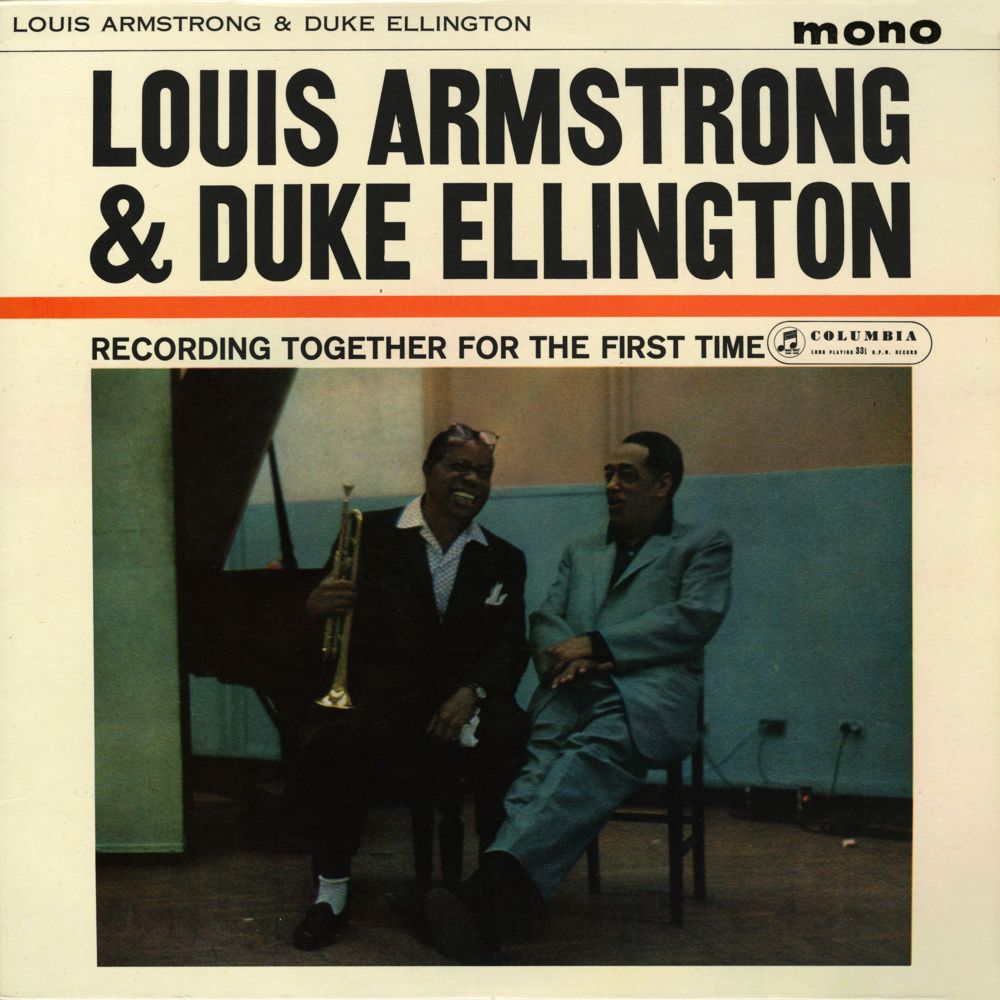
 1996Louis Armstrong meets Duke Ellington
 1979Unknown Session
 1962Money Jungle
 1959Side by Side