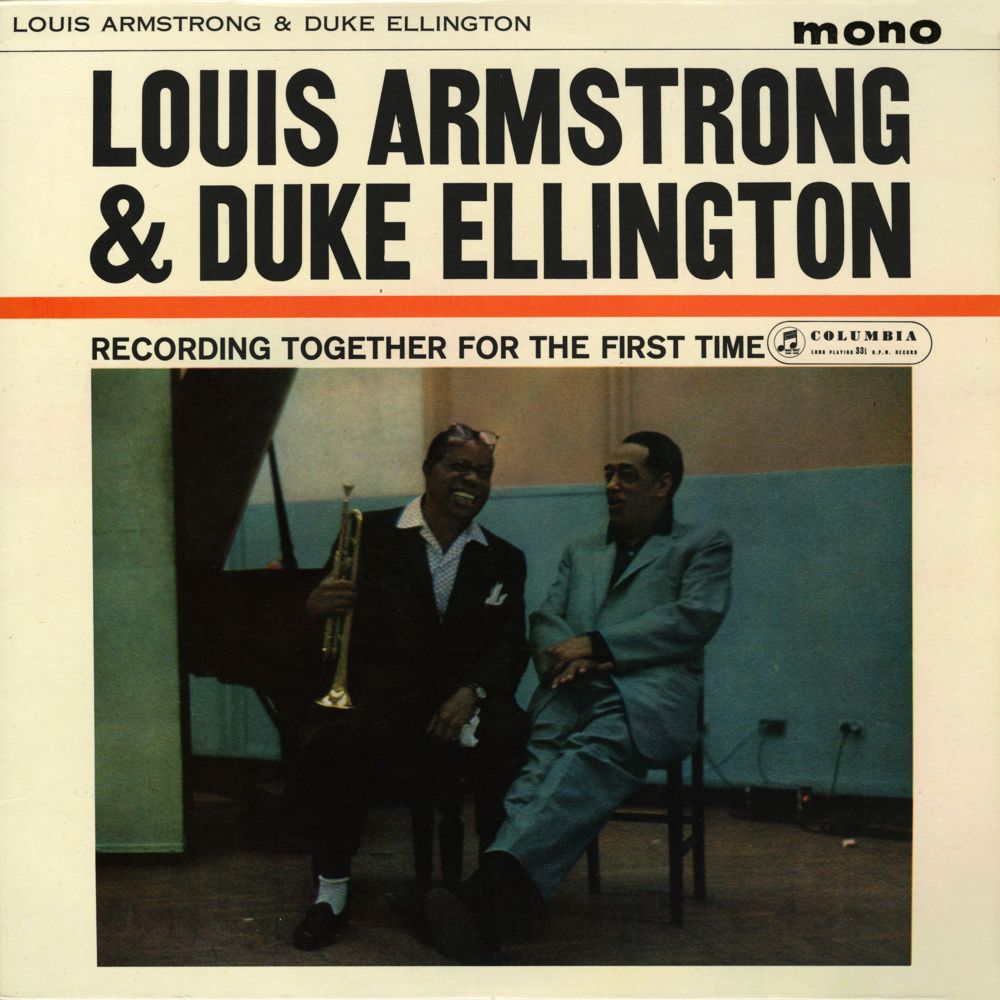
Duke Ellington is an American musical icon who revolutionized the face of jazz. His talent and creativity left a mark on the world, inspiring generations of composers to follow their dreams. However, his immense success wasn’t without its critics – some felt that his lyrics were too repetitive, and many questioned his influence on jazz music overall. Despite this criticism, there’s no denying Duke Ellington's extraordinary lasting power in musical history— from being the first African-American musician to play exclusively at Carnegie Hall to having over 60 Grammy Award nominations throughout his career, it's clear why Duke Ellington remains one of music’s most enduring figures today. In this blog post, we'll explore both critiques and compliments surrounding genius artist Duke Ellington!
Duke Ellington is one of the most celebrated jazz artists of all time, with a career spanning several decades and countless hit records. His innovation and creativity set him apart from other musicians of his time, earning him a reputation as a true music icon. Despite this status, Duke Ellington's work has also been subject to criticism over the years. In this blog post, we'll dive deep into both the critiques and the compliments that surround this extraordinary artist. Whether you're a long-time fan or simply curious about the man behind the music, read on to discover the many layers of the great Duke Ellington.
Duke Ellington was known for his innovative approach to jazz music, and his use of complex harmonies, intricate arrangements, and dynamic rhythms. However, critics have often pointed out that his lyrics could be too repetitive or simple. Many argue that this detracted from the overall quality of his music. However, others have countered that Ellington's focus on his musical arrangements and improvisations was what made him truly exceptional, and that his lyrics were simply a way to express himself and his experiences in a unique and poetic way. Regardless of the critiques, it is clear that Ellington's impact on the genre of jazz music cannot be overstated.
Another common criticism of Ellington's music is that it was too focused on pleasing audiences rather than pushing boundaries. Some feel that his commitment to entertaining crowds through his music resulted in a lack of experimentation and innovation in his work. Still, others argue that Ellington's dedication to his audience was part of what made him such an incredible performer. He knew how to connect with his listeners, and his music often reflected the energy and emotions of the people who came to see him play. Ultimately, whether you view Ellington's focus on his audience as a strength or a weakness may depend on your personal preferences as a listener.
While some have criticized Ellington's music for being too commercial, there is no denying the impact that he had on the world of jazz and music as a whole. A true pioneer of his craft, Ellington was responsible for many important innovations in the genre, including the development of the big band sound. In addition, his work as a composer and arranger paved the way for generations of jazz artists to come. Ellington was known for his ability to blend different musical styles and influences into his work, creating a sound that was uniquely his own. His impact on jazz music was so significant that he even received a special Pulitzer Prize in 1999, nearly 25 years after his death.
In the end, while Duke Ellington's music may not have been without its critics, it is clear that his talent and passion for jazz music was something truly special. His pioneering work and creative innovations continue to inspire musicians and listeners alike, decades after his passing. As one of the most important figures in jazz music history, Duke Ellington's legacy is secure, and his music will undoubtedly continue to be celebrated and enjoyed for years to come. So whether you're a long-time fan or simply curious about this legendary artist, take the time to explore Duke Ellington's incredible body of work and discover the many layers of this remarkable musician.