Biography
Wynton Marsalis: history and sound
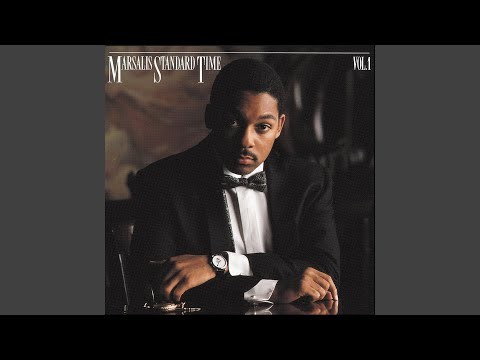
Wynton Learson Marsalis (born October 18, 1961) is a trumpeter, composer, teacher, music educator, and Artistic Director of Jazz at Lincoln Center in New York City, United States.
Wynton Marsalis: A Jazz Icon
Jazz is a genre renowned for its improvisation, syncopation, and complex rhythms. And if we talk about jazz, we cannot ignore the iconic trumpeter, Wynton Marsalis. With his enticing hooks, soulful melodies, and technical proficiency, Wynton has managed to carve his name in the music industry. His music resonates with both the old and the new, making him a favorite among jazz fans of all ages. In this blog, we shall explore the life, music, and legacy of the iconic Wynton Marsalis.
Born in New Orleans, Louisiana, Wynton Marsalis was destined to become a musician. He came from a musical family, with his father being a pianist, and his five brothers also in the music industry. Wynton's love for music started at a young age, and by the time he was eighteen years old, he had already joined the Jazz Messengers led by the legendary Art Blakey. In 1985, Wynton became the first musician to bag Grammy Awards in both jazz and classical categories.
Wynton’s music style is iconic. He has a way of blending different genres such as blues, gospel, swing, and bebop to create a unique sound. Some of his notable hits include Hesitation Blues, Crepuscule with Nellie, and Take the A-Train. His deep, rich sound and ability to experiment have garnered him several awards, including a Pulitzer Prize for Music.
In addition to his hit songs, Wynton Marsalis is also famous for his legendary concerts. One of his notable performances is the 'Carnegie Hall Concert' in 1987, where he performed with legends like Dizzy Gillespie, Chick Corea, and Joe Henderson. This concert is still celebrated to this day, with many referring to it as one of the greatest jazz concerts ever. Wynton has also performed at other notable venues such as Lincoln Center and the Hollywood Bowl.
Critics agree that Marsalis's contributions to the jazz world can only be surpassed by his virtuosity. Many critics applaud his unique style and ability to engage his audience. His sound is both sophisticated and relatable. NPR music critic, Terry Gross, in an interview called him the most influential musician of our time, adding Wynton's music is complex, but he makes jazz accessible to everyone.
In conclusion, the impact Wynton Marsalis has had on the music industry and the jazz genre, in particular, is undeniable. From his deep, rich sound to his technical proficiency, Wynton's music continues to inspire many budding musicians. His ability to blend genres and experiment with sound is what makes him an icon and an ambassador of jazz music. Whether you are a die-hard jazz fan or just looking for something new to add to your playlist, Wynton's music is a must-have. We celebrate this legendary artist and hope that his music continues to capture hearts and souls for many generations to come.
Wynton Marsalis: A Jazz Icon
Jazz is a genre renowned for its improvisation, syncopation, and complex rhythms. And if we talk about jazz, we cannot ignore the iconic trumpeter, Wynton Marsalis. With his enticing hooks, soulful melodies, and technical proficiency, Wynton has managed to carve his name in the music industry. His music resonates with both the old and the new, making him a favorite among jazz fans of all ages. In this blog, we shall explore the life, music, and legacy of the iconic Wynton Marsalis.
Born in New Orleans, Louisiana, Wynton Marsalis was destined to become a musician. He came from a musical family, with his father being a pianist, and his five brothers also in the music industry. Wynton's love for music started at a young age, and by the time he was eighteen years old, he had already joined the Jazz Messengers led by the legendary Art Blakey. In 1985, Wynton became the first musician to bag Grammy Awards in both jazz and classical categories.
Wynton’s music style is iconic. He has a way of blending different genres such as blues, gospel, swing, and bebop to create a unique sound. Some of his notable hits include Hesitation Blues, Crepuscule with Nellie, and Take the A-Train. His deep, rich sound and ability to experiment have garnered him several awards, including a Pulitzer Prize for Music.
In addition to his hit songs, Wynton Marsalis is also famous for his legendary concerts. One of his notable performances is the 'Carnegie Hall Concert' in 1987, where he performed with legends like Dizzy Gillespie, Chick Corea, and Joe Henderson. This concert is still celebrated to this day, with many referring to it as one of the greatest jazz concerts ever. Wynton has also performed at other notable venues such as Lincoln Center and the Hollywood Bowl.
Critics agree that Marsalis's contributions to the jazz world can only be surpassed by his virtuosity. Many critics applaud his unique style and ability to engage his audience. His sound is both sophisticated and relatable. NPR music critic, Terry Gross, in an interview called him the most influential musician of our time, adding Wynton's music is complex, but he makes jazz accessible to everyone.
In conclusion, the impact Wynton Marsalis has had on the music industry and the jazz genre, in particular, is undeniable. From his deep, rich sound to his technical proficiency, Wynton's music continues to inspire many budding musicians. His ability to blend genres and experiment with sound is what makes him an icon and an ambassador of jazz music. Whether you are a die-hard jazz fan or just looking for something new to add to your playlist, Wynton's music is a must-have. We celebrate this legendary artist and hope that his music continues to capture hearts and souls for many generations to come.