
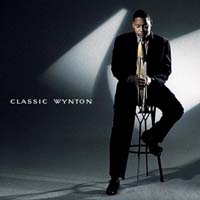
Album spotlight: Wynton Marsalis – Black, Brown And Beige
Black, Brown And Beige- Album Overview
Released in 2013, "Black, Brown And Beige" is a significant recording by renowned trumpeter and composer Wynton Marsalis. This album is a modern reinterpretation of Duke Ellington's classic suite of the same name, which originally debuted in 1943. Marsalis, an influential figure in contemporary jazz, sought to pay homage to Ellington while also infusing his work with a contemporary sensibility. The album was released under the Blue Engine Records label, which is associated with the Jazz at Lincoln Center Orchestra, of which Marsalis is the artistic director.
The recording features the Jazz at Lincoln Center Orchestra and showcases 11 tracks, including the compelling opener "Black," the evocative "Brown," and the grand finale "Beige." Marsalis collaborated with a number of accomplished musicians, including saxophonist Chris Crenshaw, trombonist Vincent Gardner, and pianist Dan Nimmer, each contributing to the vibrant tapestry of sound that characterizes the album. The production reflects a blend of traditional jazz elements with sophisticated orchestration, emphasizing Marsalis's commitment to jazz as both an evolving art form and a cultural statement.
Culturally, "Black, Brown And Beige" stands as a testament to the African American experience, addressing themes of identity, struggle, and resilience. The work not only serves as a tribute to Ellington but also as a vehicle for Marsalis to explore and discuss the complexities of race and history in America. Its release was met with critical acclaim, underscoring its importance within both the jazz genre and the broader cultural landscape.
Review
"Black, Brown And Beige" is a masterful blend of rich orchestration and heartfelt improvisation. Marsalis's trumpet playing is both technically impressive and emotionally resonant, providing a direct channel for his artistic vision. The album features a myriad of intricate arrangements, showcasing the talents of the Jazz at Lincoln Center Orchestra, which is a testament to the collaborative spirit of jazz. The tracks transition seamlessly from one to another, creating a narrative that feels both personal and universal. The musical themes are deeply rooted in the African American experience, serving as a poignant reminder of the power of jazz to convey complex emotions and stories.
While primarily an instrumental album, the interplay between the musicians speaks volumes, with each solo illuminating the overarching themes of the suite. The intricate harmonies and rhythms invite listeners to engage with the music on multiple levels, making it a rewarding experience for both casual listeners and jazz aficionados alike.
Highlights
- Exceptional musicianship displayed by the Jazz at Lincoln Center Orchestra.
- A fresh, contemporary interpretation of a jazz classic.
- Deeply resonant themes exploring identity and history.
Weak points
- The complexity of the arrangements may alienate casual listeners.
- Some may find the length of the suite challenging in a single sitting.
- Lacks vocal elements that could have added another layer of expression.
Overall evaluation
Wynton Marsalis's "Black, Brown And Beige" is a profound artistic statement that pays homage to jazz's roots while pushing its boundaries. It is a celebration of culture, identity, and the power of music to tell stories. Despite some challenges in accessibility, the album is a remarkable achievement in modern jazz.
Personal rating: 9/10 1999Big Train