
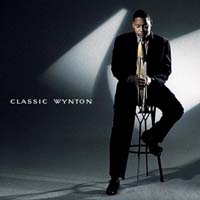
Is From The Plantation To The Penitentiary Wynton Marsalis's best work yet?
From The Plantation To The Penitentiary- Album Overview
"From The Plantation To The Penitentiary," released in 2007, is a powerful album by renowned jazz trumpeter and composer Wynton Marsalis. Released under the Blue Note Records label, this album embodies a profound exploration of historical and contemporary issues surrounding race and justice in America. The album features a mix of original compositions and arrangements, showcasing Marsalis's exceptional skills as a musician and bandleader. The recording sessions brought together an impressive ensemble, including notable musicians such as Eric Reed on piano, Carlos Henriquez on bass, and Ali Jackson on drums, along with guest artists like the esteemed saxophonist Jon Faddis. The album consists of nine tracks, with notable pieces like "The Abyss," "The Funeral," and "The Prayer." Each track weaves a narrative that reflects the struggles and triumphs of African Americans, drawing parallels between the historical legacy of slavery and present-day injustices. The album's overarching theme critiques systemic racism and the prison industrial complex, making it not only a musical endeavor but a cultural commentary. Marsalis's artistic vision is evident throughout, as he blends traditional jazz elements with contemporary influences, creating a sound that is both timeless and urgent. "From The Plantation To The Penitentiary" stands as a significant work in Marsalis's discography, eliciting thought and conversation about social issues while simultaneously showcasing his mastery of jazz.
Review
The sound of "From The Plantation To The Penitentiary" is rich and complex, blending traditional jazz with elements of blues and gospel, which infuse the album with emotional depth. Marsalis's trumpet work is both virtuosic and poignant, capturing the listener's attention from the first note. The lyrics, where applicable, resonate with a sense of urgency and reflection, addressing themes of systemic injustice and the African American experience in a way that is both personal and universal. The artistic vision behind the album is ambitious, as Marsalis not only aims to entertain but to provoke thought and inspire dialogue. The arrangements are intricate, often employing a call-and-response format that harkens back to jazz's roots while pushing the genre's boundaries. The collaboration among the musicians is seamless, showcasing their individual talents while contributing to a cohesive whole. While the album may not have achieved mainstream commercial success, its cultural significance is undeniable, marking it as a pivotal moment in jazz history.
Highlights
- Exceptional musicianship and collaborative synergy among artists.
- Deeply resonant themes addressing race and justice in America.
- Innovative blend of traditional jazz with contemporary influences.
Weak points
- Some tracks may feel dense or challenging for casual listeners.
- Limited commercial appeal may restrict broader audience reach.
- Lack of radio-friendly singles could hinder mainstream recognition.
Overall evaluation
Overall, "From The Plantation To The Penitentiary" is a bold and significant work in Wynton Marsalis's oeuvre, combining technical brilliance with a poignant social message. It challenges listeners to confront uncomfortable truths while providing a rich tapestry of sound. Whether it stands as his best work is subjective, but it undoubtedly ranks among his most important contributions to jazz and cultural discourse.
Personal rating: 9/10 1999Big Train