
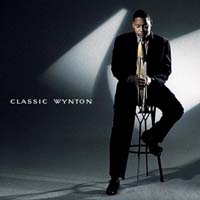
Why Wynton Marsalis's The Abyssinian Mass matters
The Abyssinian Mass- Album Overview
Released in 2008, Wynton Marsalis’s "The Abyssinian Mass" is a remarkable blend of jazz and classical music, presenting a unique interpretation of the traditional mass form. The album is produced by the Jazz at Lincoln Center Orchestra and was released under the Blue Engine Records label. This work stands out not just for its musicality but also for its cultural significance, reflecting the African American experience and the spiritual journey of the community. It features a combination of jazz ensemble, choir, and soloists, creating a rich tapestry of sound that draws upon gospel, blues, and jazz traditions.
The composition was inspired by the historic Abyssinian Baptist Church in Harlem, New York City, a pivotal institution in the African American community. Marsalis collaborated with various musicians, including the renowned Jazz at Lincoln Center Orchestra and the Abyssinian Baptist Church Choir, to bring this project to life. The album includes tracks such as "In the Beginning," "The Prayer," and "The Last Judgement," which showcase a seamless fusion of improvisation and structured composition.
Musically, "The Abyssinian Mass" stands out for its rhythmic complexity and emotional depth, reflecting Marsalis’s artistic vision of bridging the gap between the sacred and the secular. Its release was accompanied by a performance at the Abyssinian Baptist Church, emphasizing the work's roots in the church's vibrant musical tradition. The album not only serves as a testament to Marsalis's genius but also resonates with themes of hope, community, and resilience, making it an essential work in the contemporary jazz canon.
Review
Wynton Marsalis's "The Abyssinian Mass" is a profound artistic undertaking that successfully marries the spiritual essence of a traditional mass with the improvisational spirit of jazz. The album's sound is rich and layered, showcasing the intricate arrangements that highlight both the orchestra's brass sections and the soulful voices of the choir. Each track unfolds like a narrative, with moments of intense fervor intertwined with serene passages that evoke contemplation and reverence.
The use of call-and-response, a staple of African American musical tradition, is prevalent throughout the album, enhancing its communal feel. While the lyrical content often draws upon themes of faith, hope, and redemption, it is the instrumental interplay that truly elevates the listening experience, allowing listeners to engage on both emotional and intellectual levels. Marsalis’s trumpet work is nothing short of breathtaking; his phrasing is lyrical, conveying a range of emotions that resonate deeply with the audience.
Highlights
- Innovative fusion of jazz and classical elements, creating a unique listening experience.
- Strong thematic ties to African American culture and spirituality.
- Exceptional musicianship from both the Jazz at Lincoln Center Orchestra and the choir.
Weak points
- Some listeners may find the blend of genres challenging to navigate.
- The complexity of the arrangements may overshadow individual vocal performances at times.
- Lengthy tracks could deter casual listeners looking for more concise pieces.
Overall evaluation
"The Abyssinian Mass" is a monumental work that showcases Wynton Marsalis's unparalleled talent as a composer and musician. It is an album that not only entertains but also educates, inviting listeners to explore deeper themes of faith and community through the lens of jazz. The fusion of genres and the involvement of a vibrant choir create a powerful auditory experience that lingers long after the final note.
Personal rating: 9/10 1999Big Train