
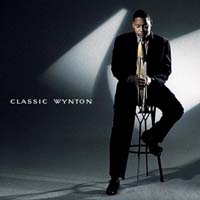
Blood on the Fields (feat. The Lincoln Center Jazz): what Wynton Marsalis wants you to feel
Blood on the Fields (feat. The Lincoln Center Jazz- Album Overview
"Blood on the Fields," released in 1997, is a pivotal jazz album by renowned trumpeter and composer Wynton Marsalis. This ambitious work, released under the Columbia label, is notable for being the first jazz oratorio, a genre that blends the traditional elements of jazz with the narrative depth of classical oratorio. The composition is a collaboration with the Lincoln Center Jazz Orchestra, featuring an impressive ensemble of musicians that includes notable artists such as saxophonists Joe Temperley and Walter Blanding, as well as trombonist Chris Washburne. The album comprises three major movements, often referred to as "Acts," with a total of nine tracks that collectively tell a profound story about the African American experience, exploring themes of suffering, resilience, and hope. The recording took place at the prestigious Lincoln Center and was met with critical acclaim upon release. Marsalis's vision for this project was to create a piece that not only showcases the technical prowess of jazz musicians but also resonates with the cultural and historical narratives of African Americans. Singles such as "Blood on the Fields" and "A Love Supreme" highlight Marsalis’s ability to weave complex rhythms and emotive melodies into a cohesive narrative. The album has since been recognized for its artistic significance, earning a Grammy Award for Best Jazz Instrumental Performance in 1998, and it continues to influence musicians across genres today.
Review
The sound of "Blood on the Fields" is a rich tapestry of jazz idioms, seamlessly blending elements of blues, gospel, and classical influences. Marsalis’s trumpet work is both virtuosic and deeply expressive, serving as a conduit for the emotional weight of the narrative. The orchestration allows for a wide range of textures, with lush brass sections juxtaposed against the intricate rhythms of the rhythm section. The lyrics, delivered by a talented vocal ensemble, are poignant and thought-provoking, enhancing the storytelling aspect of the oratorio. Marsalis's artistic vision is evident throughout the album; he doesn't simply showcase the technical abilities of the musicians but instead emphasizes the emotional journey of the narrative. The piece invites listeners into a reflective space, urging them to confront the historical and contemporary struggles faced by African Americans. While the album's length and complexity may challenge some listeners, those willing to engage with its depth will find a rewarding experience that resonates long after the final notes fade.
Highlights
- Innovative fusion of jazz and classical oratorio that expands the genre's boundaries.
- Exceptional musicianship from the Lincoln Center Jazz Orchestra, showcasing a range of talents.
- Powerful storytelling that addresses significant cultural themes and personal narratives.
Weak points
- The length and complexity may overwhelm casual listeners.
- Some tracks may feel disjointed for those unfamiliar with the oratorio format.
- Occasional moments of instrumental excess that could detract from the narrative flow.
Overall evaluation
"Blood on the Fields" stands as a monumental work in Wynton Marsalis's discography, marrying technical brilliance with poignant storytelling. It is an essential listen for jazz aficionados and those interested in the cultural narratives that shape music. While it may present challenges in its length and experimental nature, the rewards are plentiful for those willing to engage deeply.
Personal rating: 9/10 1999Big Train