ALBUM NOTESThe evolution of Duke Ellington-Still: Symphony no. 1 " in Still: Symphony no. 1 "
Album overview
Duke Ellington's "Still: Symphony No. 1" is a landmark work that serves as a testament to both the genius of Ellington and the rich tapestry of American orchestral music. Released in 1960 as part of the album "The Duke Ellington Carnegie Hall Concert," this symphony showcases Ellington's ability to fuse jazz with classical elements, creating a unique sound that continues to resonate today. The album was released under the RCA Victor label, a significant platform for many of Ellington's works, and features a collaboration with the New York Philharmonic, highlighting the crossover appeal of jazz into more traditional orchestral settings.
The symphony itself is divided into several movements, each reflecting Ellington's diverse influences, from blues to gospel. The work was partly inspired by the African-American experience, and Ellington sought to convey a narrative that encapsulated cultural struggles and triumphs. Notable tracks include "The New World A-Comin’," which incorporates spiritual themes and showcases Ellington's innovative orchestration. The work stands as a cultural artifact, representing a time when jazz was beginning to gain serious recognition in the classical music world. This release not only solidified Ellington's legacy as a pioneering composer but also paved the way for future generations of musicians to explore the boundaries of genre.
Review
"Still: Symphony No. 1" is an audacious blend of genres that showcases Duke Ellington's mastery of composition and arrangement. The symphony begins with a sweeping orchestral introduction, immediately captivating the listener with its lush harmonies and intricate melodies. Ellington's skillful use of jazz rhythms intermingled with classical structures brings a refreshing dynamism to the form, making it accessible yet profound.
The emotional depth of the symphony is palpable, particularly in movements that reflect Ellington's deep connection to African-American culture. The use of call-and-response patterns and blues motifs infuses the classical format with a soulful energy, creating an engaging dialogue between the orchestra and the audience. However, some sections may feel abrupt or disjointed to those unfamiliar with Ellington's style, which can lead to a less cohesive listening experience for some.
Overall, the artistic vision behind "Still: Symphony No. 1" is ambitious and impactful, serving as a bridge between two worlds and demonstrating the versatility of jazz as a serious art form.
Highlights
- Innovative fusion of jazz and classical elements
- Emotionally rich and culturally significant themes
- Exemplary orchestration that showcases Ellington's genius
Weak points
- Some sections may feel disjointed for traditional classical listeners
- Lengthy movements may challenge listener engagement
- Not all tracks may resonate equally with a modern audience
Overall evaluation
Duke Ellington's "Still: Symphony No. 1" stands as a significant milestone in the evolution of American music, blending genres in a way that feels both revolutionary and timeless. It is a compelling listen that showcases Ellington's innovative spirit and deep cultural roots, though it may challenge those more accustomed to traditional classical forms.
Personal rating: 8/10
```

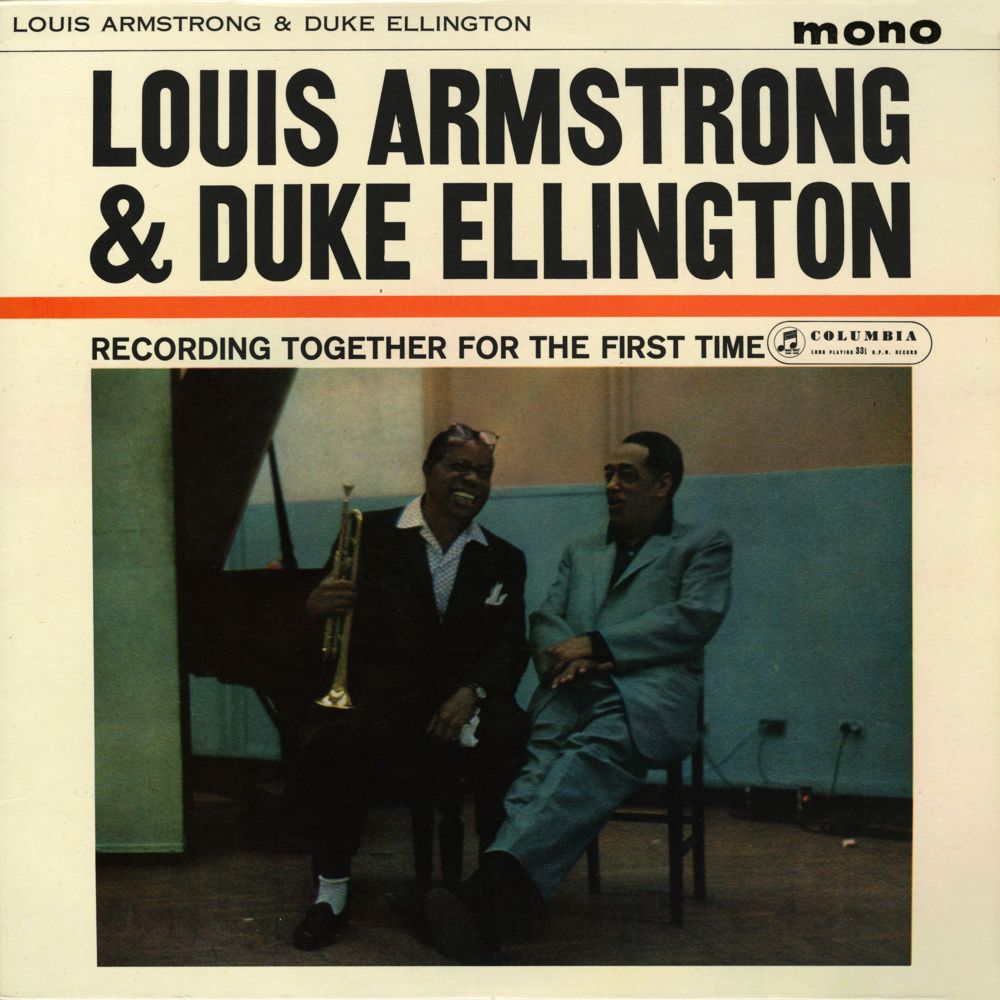
 1996Louis Armstrong meets Duke Ellington
 1979Unknown Session
 1962Money Jungle
 1959Side by Side