ALBUM NOTESHow Duke Ellington shaped the sound of Still: Symphony No. 1 "afro-american" /
Still: Symphony No. 1 "afro-american" / - Album Overview
Duke Ellington's "Still: Symphony No. 1 "afro-american" /" was released in 1951, marking a significant moment in the fusion of jazz and classical music. The album is often regarded as a groundbreaking work that exemplifies Ellington's genius in blending various musical genres. The piece was commissioned by the New York Philharmonic, showcasing Ellington's ability to transcend the boundaries of jazz and classical music. The symphony is structured in four movements, each reflecting different aspects of the African American experience, which Ellington masterfully articulates through both orchestral and jazz elements.
Ellington collaborated with musicians such as the renowned conductor and arranger Gunther Schuller, who helped bring Ellington's vision to life. The recording took place at the Manhattan Center and was released under the Columbia Records label. "Still" is characterized by its rich orchestration and intricate harmonies, presenting a narrative that resonates with the cultural and social themes of the time, including the struggle for civil rights and the celebration of African American identity.
The album is significant not just for its musicality but also for its cultural impact, as it helped pave the way for future composers to explore the integration of jazz influences into classical compositions. Tracks like "Night Creature" and "The River" highlight Ellington's ability to convey emotion through music and remain celebrated pieces in both jazz and classical repertoires. The symphony has influenced countless artists and continues to be studied for its innovative approach and historical context.
Review
Ellington's "Still: Symphony No. 1 "afro-american" /" is a remarkable testament to his artistry and vision. The album seamlessly blends the improvisational elements of jazz with the structured forms of classical music, creating a unique sound that is both sophisticated and deeply expressive. The orchestration is lush, with rich textures and intricate melodies that draw the listener into a vivid sonic landscape. Each movement tells a story, reflecting the complexity of the African American experience with a blend of hope, struggle, and resilience.
The first movement opens with a powerful theme that sets the emotional tone for the piece, while the subsequent movements explore different musical motifs that evoke various feelings and images. Ellington's genius lies in his ability to convey emotion without lyrics, allowing the music to speak for itself. The harmonic progressions and rhythmic complexities make for a compelling listen, showcasing Ellington's mastery over both jazz and classical elements.
Despite being a classical piece, "Still" retains Ellington's signature jazz influences, making it accessible to a wider audience. The album serves not only as a musical experience but as a cultural commentary, reflecting the societal issues of its time.
Highlights
- Innovative fusion of jazz and classical music.
- Rich orchestration and intricate melodies.
- Culturally significant narrative that resonates with African American experiences.
Weak points
- May not appeal to traditional classical music purists.
- Some listeners might find the jazz elements too subtle.
- Limited commercial singles compared to Ellington's other works.
Overall evaluation
"Still: Symphony No. 1 "afro-american" /" is a landmark album that showcases Duke Ellington's unparalleled ability to merge genres and convey deep cultural narratives through music. Its artistic vision and historical significance solidify its place in both jazz and classical music history.
Personal rating: 9/10

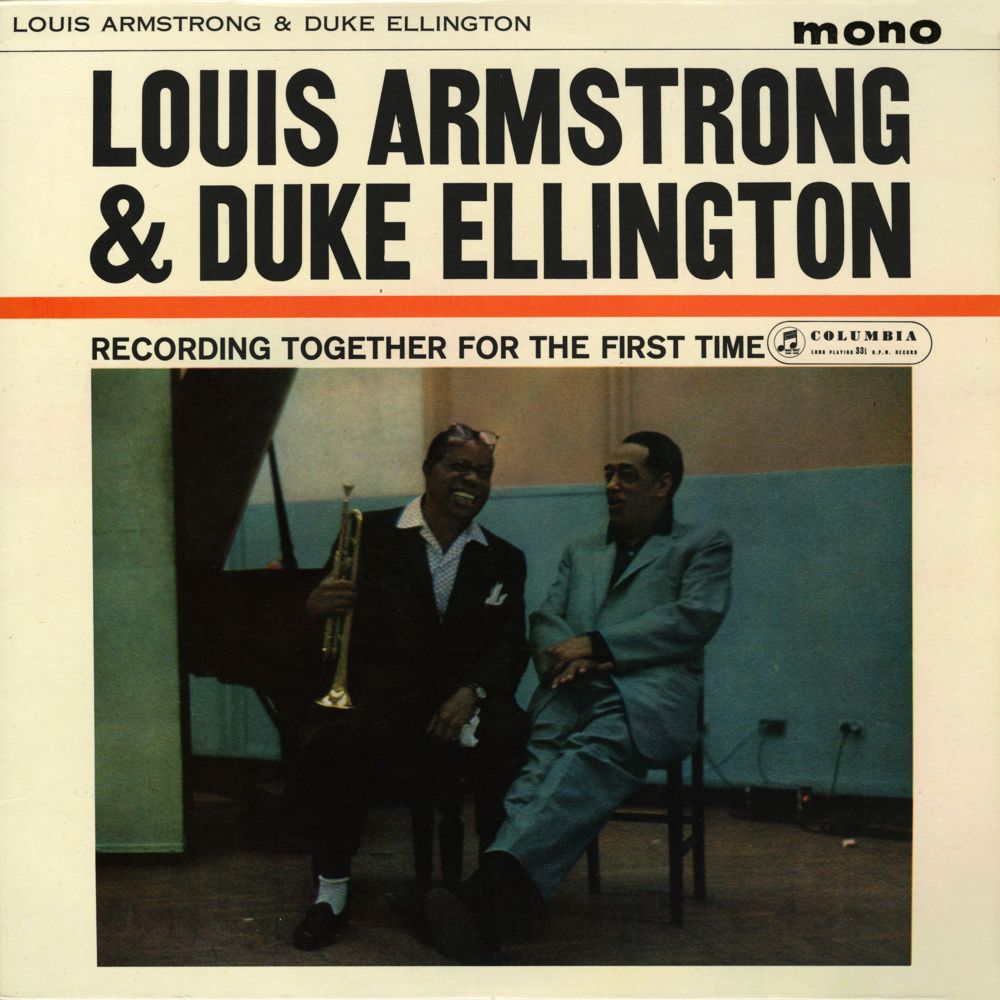
 1996Louis Armstrong meets Duke Ellington
 1979Unknown Session
 1962Money Jungle
 1959Side by Side