ALBUM NOTESAlbum spotlight: Edvard Grieg – Peer Gynt / Holberg Suite
Peer Gynt / Holberg Suite- Album Overview
Edvard Grieg's "Peer Gynt / Holberg Suite" is a cornerstone of the Romantic classical music repertoire, encapsulating the essence of Norwegian folk influences and theatrical narrative. The "Peer Gynt" suite was originally composed in 1875 as incidental music for Henrik Ibsen's play of the same name. Grieg extracted two suites from this music, which were published in 1888 and 1891, respectively, thereby solidifying their status as standalone masterpieces. The "Holberg Suite," composed in 1884 to celebrate the 200th anniversary of playwright Ludvig Holberg, showcases Grieg's ability to meld Baroque influences with his unique melodic style.
This album has been released under various labels over the years, with notable recordings coming from Deutsche Grammophon and Naxos. The orchestration typically features strings, woodwinds, and brass, highlighting Grieg’s affinity for rich textures and vibrant colors. Collaborators on famous renditions include esteemed conductors and orchestras, such as the London Symphony Orchestra and the Oslo Philharmonic.
"Peer Gynt" is particularly celebrated for its evocative movements like "Morning Mood" and "In the Hall of the Mountain King," which have permeated popular culture. Conversely, the "Holberg Suite," with its four movements, is revered for its lyrical charm and rhythmic vitality. Both works exemplify Grieg's artistic vision, showcasing his ability to fuse classical traditions with Norwegian folk music elements, reflecting a cultural identity that resonates to this day.
Review
The musical landscape of "Peer Gynt / Holberg Suite" is vividly painted with Grieg's characteristic lyrical melodies and intricate harmonic structures. The album opens with the serene and pastoral "Morning Mood," immediately immersing the listener in a dreamlike atmosphere. The orchestration is lush and detailed, with woodwinds and strings intertwining gracefully. Each movement transitions seamlessly into the next, demonstrating Grieg's masterful ability to maintain thematic coherence while exploring a variety of moods.
In the "Holberg Suite," the composer’s playful spirit shines through, particularly in the lively "Allegro." The juxtaposition of Baroque forms with Romantic sensibilities creates a rich tapestry of sound that feels both historical and contemporary. Grieg’s knack for thematic development is evident, inviting listeners to experience a wide emotional range from jubilation to introspection.
Overall, the album is a testament to Grieg's genius, showcasing his skillful orchestration and profound understanding of human emotion. The music transcends its time, making it both a historical artifact and a living work that continues to resonate with audiences around the globe.
Highlights
- Rich orchestration that beautifully blends folk elements with classical traditions.
- Iconic movements such as "In the Hall of the Mountain King" that are etched in cultural memory.
- Grieg's ability to evoke a wide range of emotions through melody and harmony.
Weak points
- Some may find the orchestral works lack the narrative depth of full operatic compositions.
- The popularity of certain pieces can overshadow Grieg's lesser-known works.
- The suites may feel repetitive for those unfamiliar with classical music's structural conventions.
Overall evaluation
"Peer Gynt / Holberg Suite" is a masterclass in orchestration and melody, establishing Edvard Grieg as a pivotal figure in Romantic music. It combines cultural significance with artistic brilliance, ensuring its place in both concert halls and the hearts of music lovers.
Personal rating: 9/10


 1990Violin Sonatas
 1989Symphony
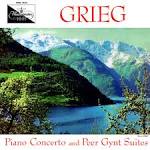 1965Peer Gynt