
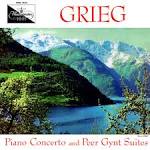
Edvard Grieg experiments boldly on Peer Gynt
Peer Gynt- Album Overview
Edvard Grieg's "Peer Gynt," composed in 1875-76, is a remarkable example of how classical music can transcend its time, blending folk elements with the dramatic narrative of Henrik Ibsen's play. Grieg was commissioned to provide incidental music for the original production of "Peer Gynt," which premiered in 1876. The album was released under various labels, with notable recordings emerging in the late 20th century. It comprises two suites extracted from the original score, with the first suite released in 1888 and the second in 1891. These suites, featuring iconic pieces like "Morning Mood" and "In the Hall of the Mountain King," showcase Grieg's ability to evoke vivid imagery and emotion through orchestration.
With a rich palette of instruments, Grieg's orchestral writing is characterized by its lyrical melodies and rhythmic vitality. The music reflects the Norwegian landscape and culture, drawing inspiration from folk tunes that resonate deeply with national identity. Collaborators on the original compositions included conductor and orchestrator Hans Richter, who played a critical role in shaping the sound of the pieces. "Peer Gynt" is not just a collection of incidental music; it has had a lasting impact on the classical repertoire, influencing generations of composers and musicians. The suites have remained popular in concert halls worldwide, often performed as standalone works separated from their theatrical origins.
Review
Grieg's "Peer Gynt" stands as a testament to the seamless fusion of drama and music. The sound is rich and evocative, with each movement expertly crafted to elicit emotion and imagery. The lyrical quality of the themes, particularly in "Solveig's Song," offers a poignant contrast to the more vigorous "In the Hall of the Mountain King," showcasing Grieg's versatility as a composer. While the music is instrumental, the narrative behind it is deeply embedded, allowing listeners to imagine the tale of Peer Gynt's adventures and misadventures.
The artistic vision of Grieg shines through in his use of orchestration and thematic development, weaving a tapestry of sound that reflects both the character’s inner turmoil and the natural beauty of Norway. The melodic lines are memorable, often haunting, and they linger long after the last note fades. Grieg's ability to evoke a sense of place and emotion connects deeply with audiences, making this work timeless. However, some might argue that the lack of vocal elements in the suites detracts from the narrative depth that the original play provides, yet the music stands robustly on its own.
Highlights
- Rich orchestration that vividly portrays the Norwegian landscape.
- Memorable melodies that resonate with emotional depth.
- Significant cultural impact, influencing both classical and contemporary music.
Weak points
- Some may find the lack of vocal elements a limitation in storytelling.
- The suites can be perceived as episodic rather than cohesive.
- Occasional over-reliance on familiar themes that may feel repetitive to some listeners.
Overall evaluation
"Peer Gynt" remains a pivotal work in the classical canon, showcasing Edvard Grieg's masterful blending of folk influences with classical traditions. It invites listeners to explore a rich narrative without the need for words, making it a timeless piece that continues to captivate audiences around the world.
Personal rating: 9/10 1993Grieg: Peer Gynt Suites, Holberg Suite / Sibelius:
 1990Violin Sonatas
 1989Symphony