ALBUM NOTESExploring the sound of Edvard Grieg: Peer Gynt-suiten Nos. 1-2
Peer Gynt-suiten Nos. 1-2- Album Overview
Edvard Grieg’s "Peer Gynt-suiten Nos. 1-2," originally composed in 1875 as incidental music for Henrik Ibsen's play "Peer Gynt," showcases the rich tapestry of Norwegian folk music interwoven with romantic orchestral elements. The album, released in various formats since its original compositions, features the two suites that contain some of Grieg's most famous pieces, including "Morning Mood" and "In the Hall of the Mountain King." The music encapsulates the essence of the Norwegian landscape and spirit, bringing to life the character of Peer Gynt and his adventures.
The two suites are typically performed by a full orchestra, and Grieg’s orchestrations are celebrated for their vivid colors and emotional depth. Various interpretations have been recorded over the years, with notable conductors such as Herbert von Karajan and Leonard Bernstein bringing their unique insights to the work. The album is often released under major classical labels, including Deutsche Grammophon and RCA, ensuring high-quality recordings that capture the nuances of Grieg’s compositions.
The suites have transcended their theatrical origins, becoming staples in the classical repertoire and widely recognized in popular culture, often featured in films and commercials. Their significance lies not only in their musicality but also in their representation of Norwegian nationalism during the 19th century, as Grieg sought to express his cultural heritage through art.
Review
"Peer Gynt-suiten Nos. 1-2" is a masterclass in orchestration and thematic development. Grieg's ability to evoke imagery and emotion through music is evident in every movement. The opening "Morning Mood" is a gentle sunrise over the Norwegian fjords, with its warm woodwinds and shimmering strings creating a sense of awakening. In contrast, "In the Hall of the Mountain King" builds tension and excitement, with a relentless rhythm that drives the narrative forward.
The sound quality in modern recordings allows listeners to appreciate the intricacies of Grieg's orchestration, from the delicate interplay of strings to the bold brass sections. The musical themes not only serve the narrative of Peer Gynt but also stand alone as timeless pieces that resonate with audiences across generations. Grieg's fusion of folk melodies with classical forms creates a unique sound that feels both familiar and innovative.
However, while the album is a triumph of sound, it lacks lyrical depth as it is purely instrumental, relying on the listener's imagination to fill in the narrative gaps. This absence may leave some listeners yearning for a more explicit connection to the story of Peer Gynt.
Highlights
- Rich orchestration that vividly brings the Norwegian landscape to life.
- Timeless melodies that have transcended their original theatrical context.
- The ability to evoke strong emotional responses without lyrics.
Weak points
- Lack of lyrical content may make it less accessible for some listeners.
- Some interpretations may feel overly dramatic, overshadowing the subtlety of the music.
- Repetitive themes in certain movements could lead to a sense of predictability.
Overall evaluation
Edvard Grieg's "Peer Gynt-suiten Nos. 1-2" remains a cornerstone of the classical repertoire, celebrated for its evocative orchestration and cultural significance. It is a must-listen for classical aficionados and newcomers alike.
Personal rating: 9/10


 1990Violin Sonatas
 1989Symphony
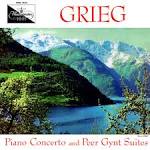 1965Peer Gynt