

Exploring the sound of Edvard Grieg: Music For Peer Gynt
Music For Peer Gynt- Album Overview
Edvard Grieg's "Music for Peer Gynt," composed between 1865 and 1868, is a seminal work in the classical music canon. Originally crafted as incidental music for Henrik Ibsen's play "Peer Gynt," Grieg's compositions were later arranged into two orchestral suites that have gained immense popularity. The first suite was released in 1888 and the second in 1891, showcasing Grieg's ability to weave together folk melodies and romantic harmonies. The album is typically released by various labels, notably the Deutsche Grammophon and RCA Victor, featuring numerous orchestral interpretations over the years.
The score includes iconic pieces such as "Morning Mood," which evokes the serene beauty of dawn, and "In the Hall of the Mountain King," known for its dramatic crescendo. Grieg's use of Norwegian folk themes connects the music deeply to his cultural heritage, allowing listeners to experience the essence of Norwegian landscapes and folklore. The orchestration is rich, employing strings, woodwinds, and brass to create a vivid soundscape that captures the narrative of Peer Gynt's adventures.
Collaborators on various recordings have included prominent orchestras and conductors, contributing to the album's enduring legacy. Each rendition brings a unique interpretation, yet the heart of Grieg’s compositions remains constant. The work has influenced countless musicians and composers, underscoring Grieg's significance in the Romantic movement and his role in bringing Norwegian music to a global audience.
Review
Grieg's "Music for Peer Gynt" is a masterclass in orchestral storytelling. The composer’s ability to blend dramatic narrative with folk influences creates a rich tapestry of sound that is both emotive and evocative. Each piece within the suites serves a purpose, whether to illustrate a character, evoke a scene, or convey a particular mood. The melodies are instantly recognizable, yet they offer depth that invites repeated listening. The orchestration is lush, with a careful balance between the individual instruments that allows for both powerful climaxes and delicate passages.
While there are no lyrics to evaluate, the music itself speaks volumes, transporting listeners into the world of Peer Gynt. Grieg’s artistic vision is clear; he successfully captures the essence of Norwegian culture while also embracing universal themes of adventure, love, and self-discovery. The album is not just a collection of pieces but a cohesive narrative journey that resonates across generations.
Highlights
- Iconic melodies that are instantly recognizable and timeless.
- Rich orchestration that beautifully blends folk elements with classical traditions.
- A profound cultural significance that showcases Norwegian heritage in classical music.
Weak points
- The incidental nature of the music may leave some listeners desiring more structured compositions.
- Some interpretations may lack the emotional depth of others, depending on the conductor and orchestra.
- The album may not appeal to those preferring contemporary or avant-garde music styles.
Overall evaluation
Edvard Grieg's "Music for Peer Gynt" remains a cornerstone of classical music, celebrated for its enchanting melodies and cultural importance. While some interpretations may vary in emotional impact, the work as a whole offers a captivating exploration of both personal and national identity.
Personal rating: 9/10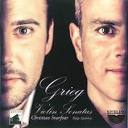 1990Violin Sonatas
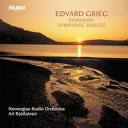 1989Symphony
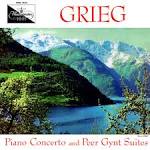 1965Peer Gynt